We are innovative, ambitious and ready for challenges! Hire Us







Anime Piracy: Origin of Animanga and its Boom
While the origin of anime and manga can be traced back to the 12th Century, the sudden boom of the same can be dated back to the WWII era which now boomed the market of anime piracy and manga piracy. The journey of how this art form gained popularity and its purpose is a real story of purpose, emotion and creativity.
From Ashes to Ink: How Manga Helped Rebuild Post-War
In the ashes of post-war Japan after WWII, a new boom to the art of storytelling was quietly emerging as manga. Amidst destruction, poverty, and occupation, manga offered the Japanese people not only affordable entertainment but also a powerful outlet for emotional recovery. These illustrated stories carried hope, healing, and a vision for a better future.

Pioneers like Osamu Tezuka and Keiji Nakazawa led this creative revolution. Tezuka’s Astro Boy (1952–1968) imagined a futuristic world where science, robots, and moral dilemmas walked hand in hand with a vision aligned with the American Occupation’s ideals of modernization and democracy. On the other end of the emotional spectrum, Nakazawa’s I Saw It (1972) provided an unfiltered, autobiographical glimpse into the horrors of Hiroshima’s bombing. These contrasting approaches which include sci-fi optimism and raw realism, laid the foundation for manga’s rise as a cultural force.

As Japan’s economy recovered and technology advanced, manga gave birth to anime, which soon captivated not just a nation but the entire world. But with this explosive growth came an unexpected side effect: piracy.
Akira Toriyama: The Artist Who Drew a World
The global success of manga and anime owes much to one visionary artist, Akira Toriyama. With Dragon Ball’s debut in 1984, he didn’t just create a hit series, he ignited a global phenomenon. Toriyama’s storytelling wasn’t just entertaining, it inspired. Many fans, including librarians and educators, credit his work for sparking their love of reading, art, and imagination. His style blended humor with heroism, simplicity with spectacle, making manga and anime more accessible to global audiences than ever before.

As anime adaptations followed, international audiences were hooked. But in the pre-streaming era, legal access was scarce, and passionate fans took matters into their own hands. Fans relied on postal services and VHS tapes to share content, often with fan-made subtitles (fansubs). Piracy became a way for fans to connect, trade, and build a community around shared content.
The Fansub Era (2000–2010): Anime Piracy & Manga Piracy as Preservation
Back in the early 2000s, watching anime outside Japan often meant downloading fansubbed episodes via torrents or file-sharing networks. That was the starting of anime piracy and manga piracy. Fansub Groups became underground heroes, translating and subtitling anime within days of its release. For many fans, this wasn’t theft but a cultural preservation. With no legal access in their regions, piracy was the only way to stay connected.
2010–2015: Streaming Disruption & Battle Begins
This period marked a shift as streaming disrupted the piracy landscape. Crunchyroll which was a piracy site distributing anime content, transitioned into a legal platform in 2009, pioneering simulcasting. Other licensed players made anime more accessible. However, pirate sites didn’t disappear, they grew into powerful, ad-revenue-driven ecosystems. Piracy turned into an industry, not just fandom.
2016–2020: Global Demand & Escalation
The challenge? These platforms were decentralized and difficult to monitor, making enforcement tougher than ever.
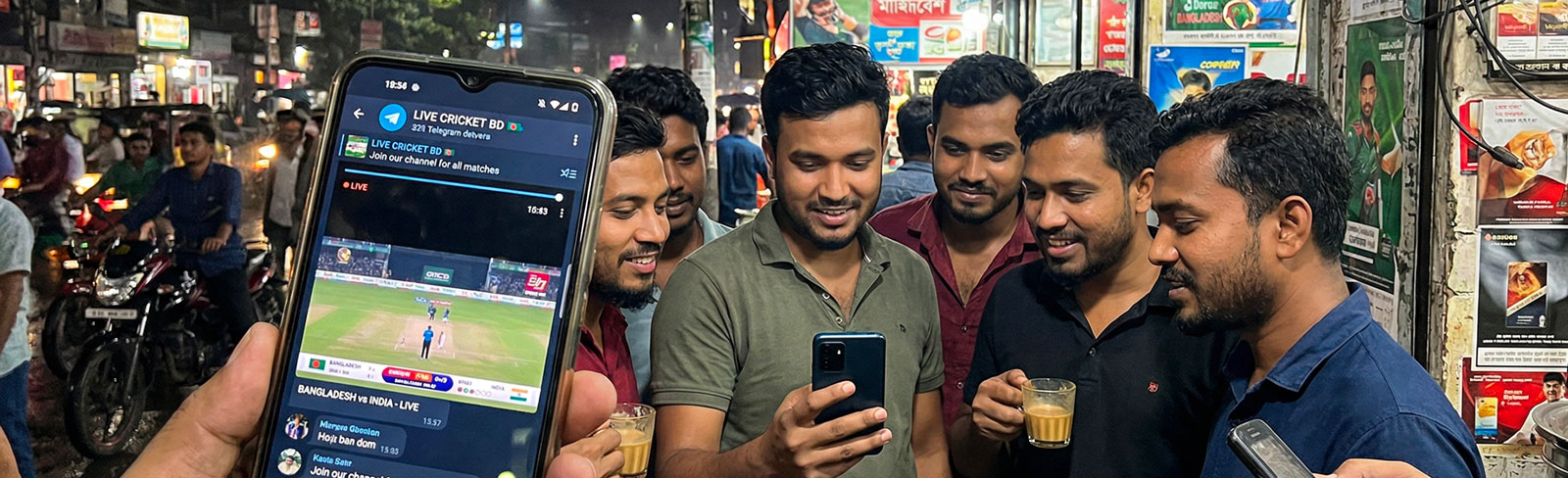
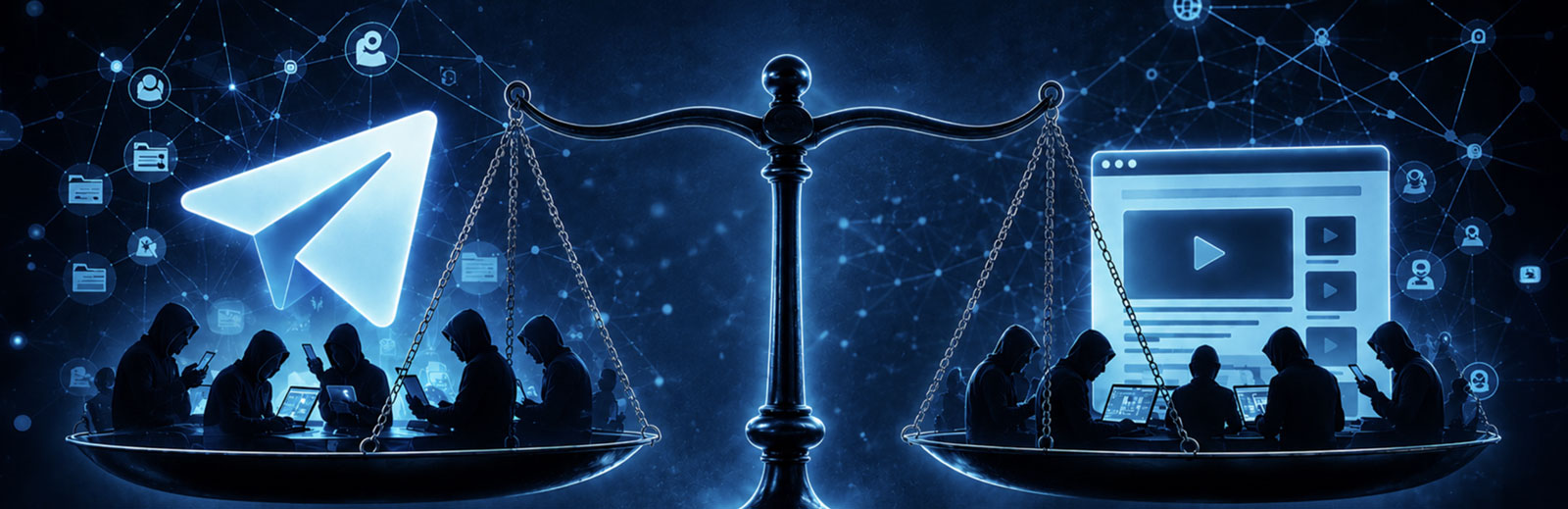
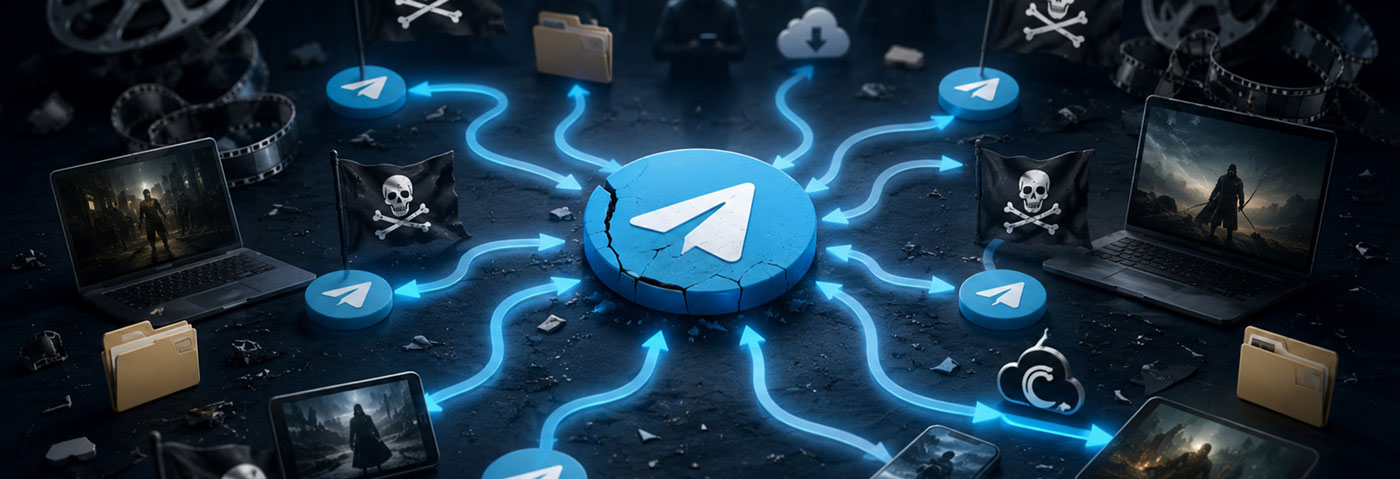
Anime demand surged, but so did the demand for anime piracy & manga piracy, now moving underground. Pirated anime movies were being streamed before their official Western releases, causing huge loss to the entire industry. Telegram, Discord, and Reddit became the new anime piracy hotspots, where private communities shared exclusive links. VPN usage soared, helping fans bypass geo-blocks and access foreign libraries.
2020–Present: Fragmentation & Anime Piracy/ Manga Piracy Reinvented
The Covid-19 pandemic amplified anime’s popularity as people sought comfort and distraction. But this boom also reignited piracy in unexpected ways. With anime licenses split across Netflix, Crunchyroll, Disney+, and more, fans grew frustrated with paying for multiple services. Short-Form Piracy exploded in platforms like TikTok, YouTube Shorts, and Instagram Reels, hosting full episodes in parts, fueling virality. Telegram Dominance through Private channels, especially in countries with censorship or sanctions, became major piracy centers. Some pirated content now includes AI-enhanced subtitles, dubs, and remastered visuals, improving user experience and reach.
Anime Piracy: Current Trends & The Road Ahead
In economically or politically constrained regions, piracy remains the only gateway to anime and manga. The question here arises on how one consumes anime when it is restricted in their region. Well, that’s a separate discussion. Uploads are now decentralized, fan-led, and interest-based, shared in closed groups, DMs, and even cloud folders. Legal platforms today struggle to match the personalization and speed of fan-driven ecosystems.
How BLOCK X Is Responding to Anime Piracy?
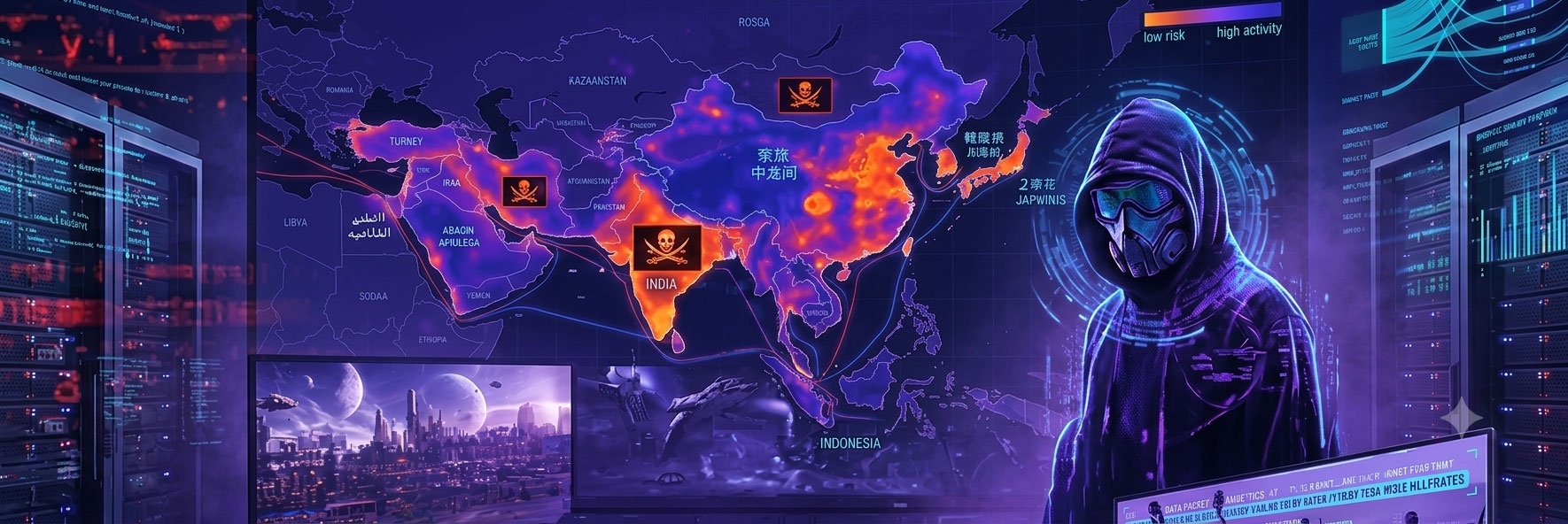
At BLOCK X, we understand that the world of anime piracy and manga piracy has evolved. It’s no longer just torrent sites and fansubs, its short-form video clips, AI-generated dubs, Telegram megagroups and much more.
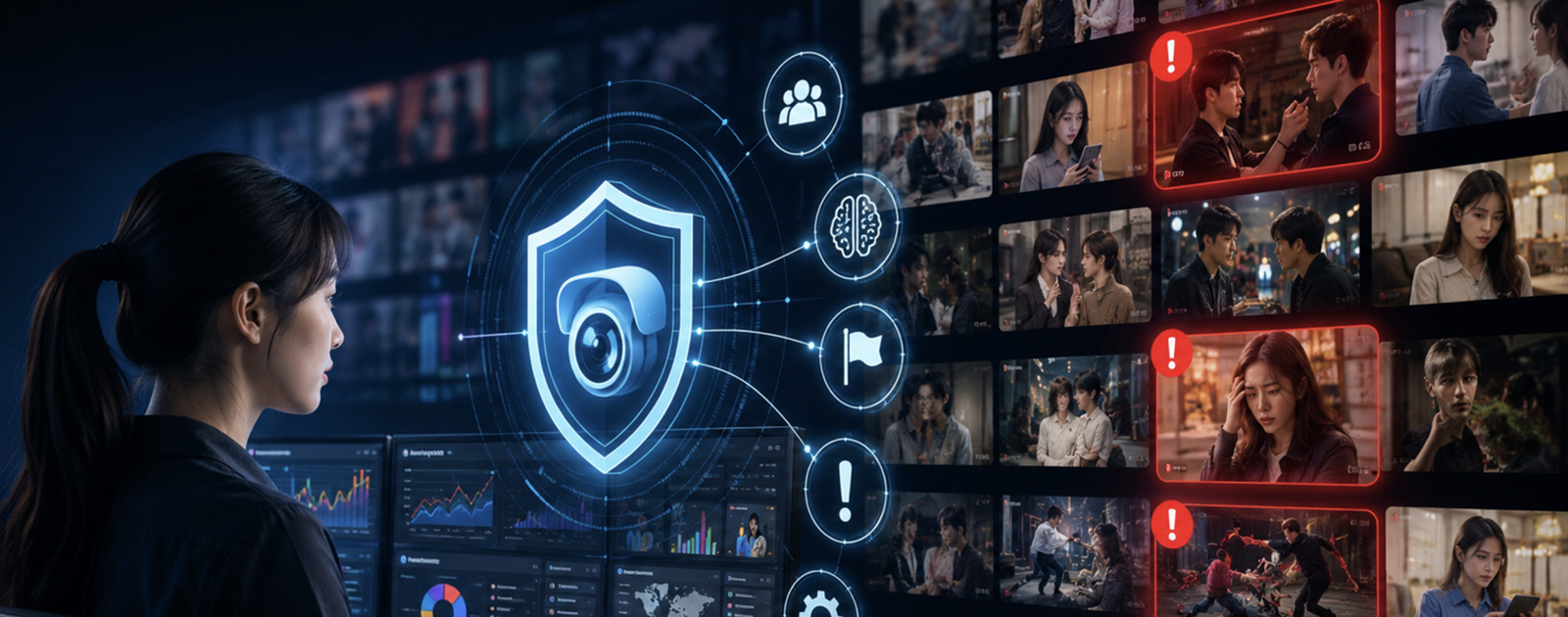
We’ve adapted by tracking and mapping anime piracy ecosystems, including Telegram channels, Reels accounts, and Discord groups. Using AI to detect interest-based content clusters, helping us locate unauthorized uploads across platforms faster. Collaborating with rights holders to strategically plan takedowns and restore safe digital ecosystems for anime lovers. We’re evolving as anime piracy evolves, to ensure we curb it in the beginning and protect creativity that matters the most.
Credits: Aadhi Wilma (Representatives of BLOCK X)
Recent Blogs