We are innovative, ambitious and ready for challenges! Hire Us





Music Piracy in 2026: How Independent Artists Can Protect Their Music Online
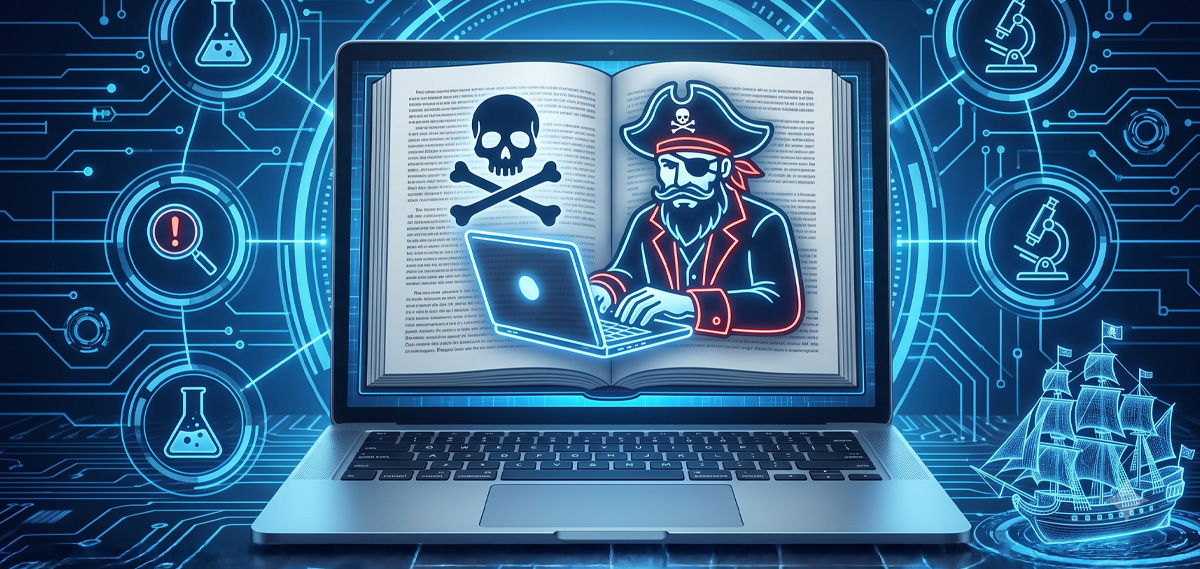
Music piracy remains one of the most pressing challenges facing independent artists in 2026. While few legitimate streaming platforms have expanded legal access to global audiences, illegal music downloads, stream ripping, and unauthorised sharing continue to erode artist revenues.
For independent musicians, online music piracy is not just a copyright issue, it is a business risk affecting revenue, data ownership, release strategy, and long-term brand positioning.
What Is Music Piracy?
Music piracy refers to the unauthorised reproduction, distribution, or streaming of copyrighted music without the permission of the rights holder.
This includes:
- Illegal downloads from torrent sites
- Stream ripping from licensed platforms
- Sharing unreleased tracks on private communities
- Uploading full songs on social platforms without authorisation
Despite stronger copyright enforcement laws, piracy has become faster, more decentralised, and harder to detect manually.
New-Age Music Piracy Channels
Modern music piracy leverages digital innovation and social platforms:
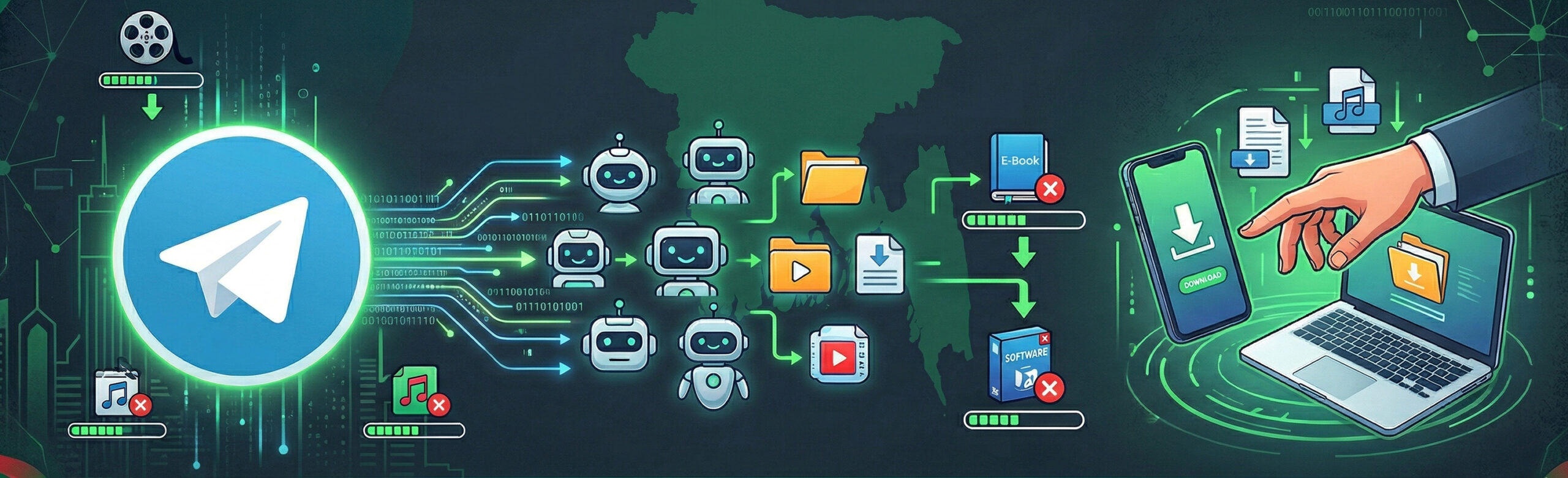
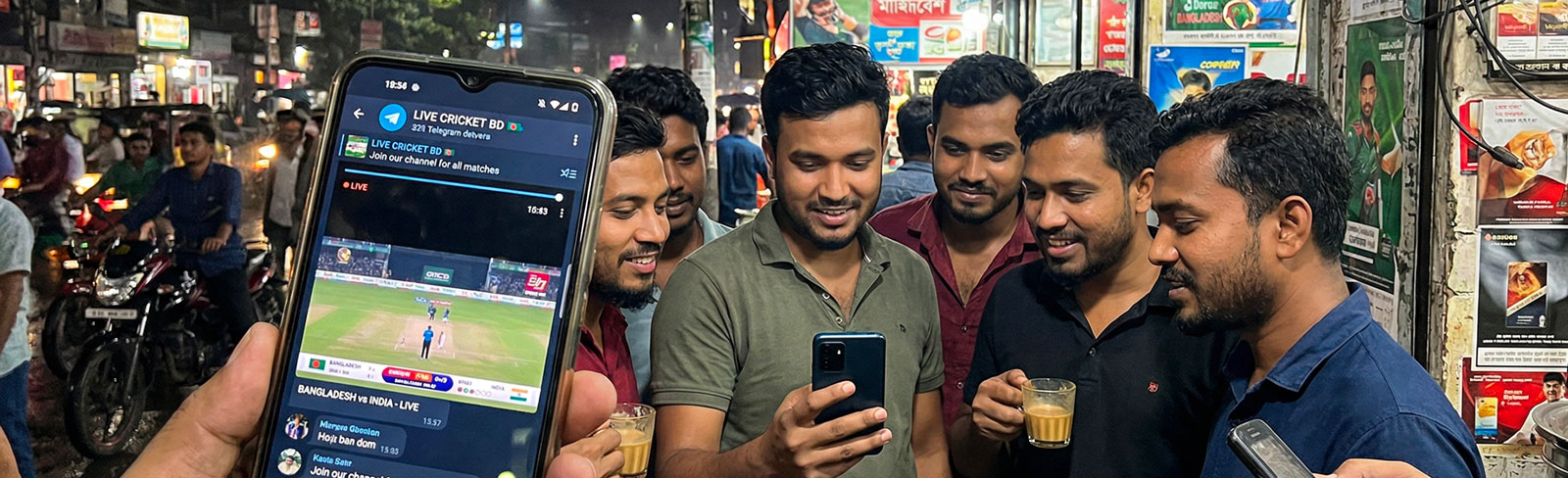
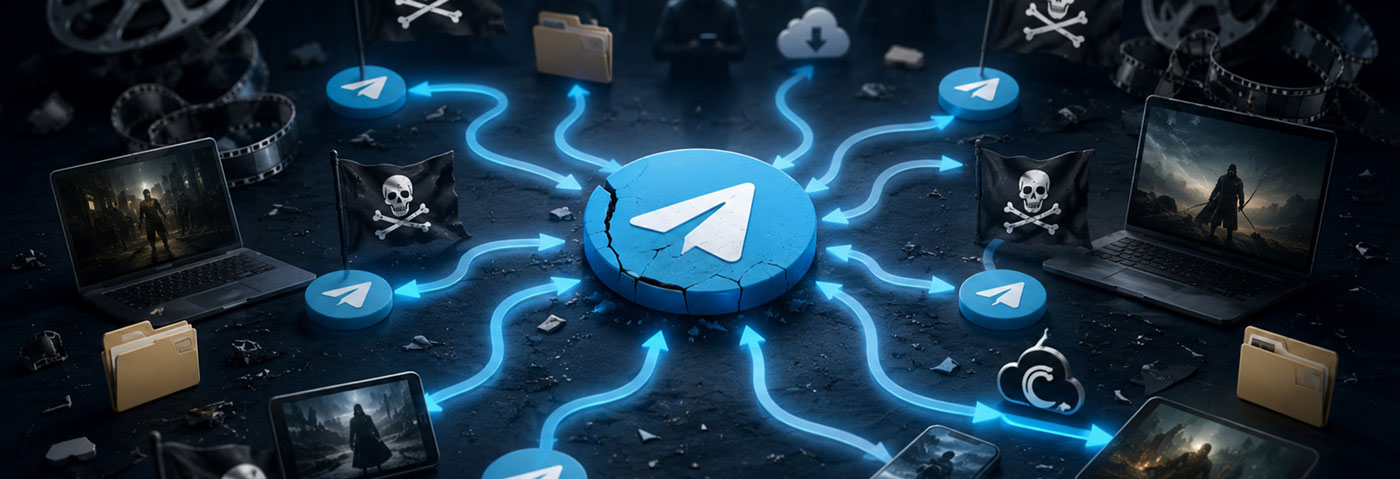
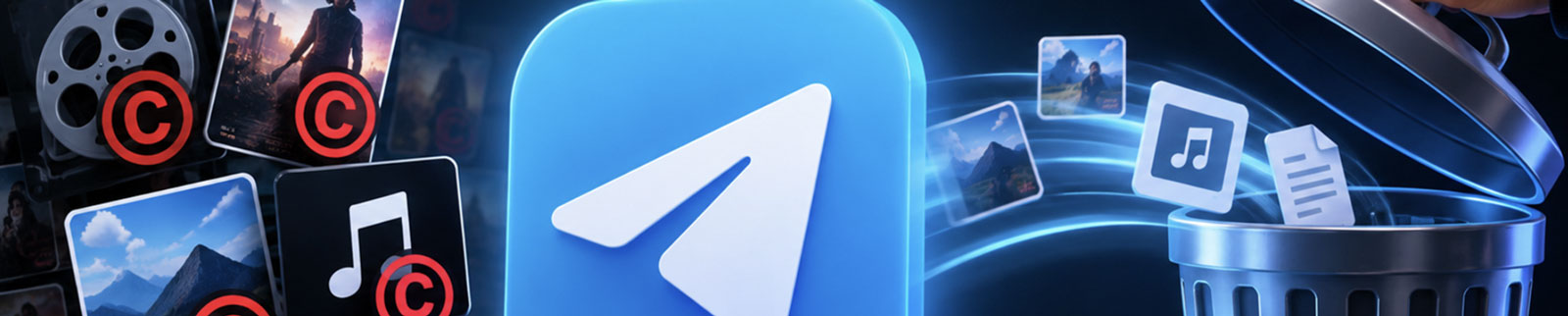
- Telegram Channels & Bots – Regional and niche channels leak new singles, albums, or unreleased tracks quickly.
- Social Media Reuploads – Full songs, lyric videos, and short-form content on YouTube, Reels, or Facebook groups, often without permissions.
- AI Misuse – Voice cloning, style replication, or unauthorized remixes can generate content without artist consent.
- Old Catalogue Re-uploads / Remasters – Even legacy songs are re-uploaded illegally or remastered without rights clearance.
- Fake Artist Profiles & Impersonation – Accounts posing as artists distribute music or claim ownership.
- Account Hacking & Leaks – Unauthorized access to artist accounts or label databases can result in large-scale piracy events.
What Independent Artists Actually Lose to Music Piracy
Piracy isn’t just about stolen streams, it translates into real, tangible losses for creators. Independent artists face four main impacts:
- Revenue – Lost streaming royalties, download sales, and licensing fees.
- Exposure Control – Leaks and unauthorised uploads disrupt release strategy and playlist performance.
- Brand & Reputation – Fake accounts, remix uploads, or AI-generated copies can confuse fans and dilute an artist’s identity.
- Creative Ownership – Songs, remixes, or lyrics can be misused, re-uploaded, or repurposed without permission, affecting long-term rights.
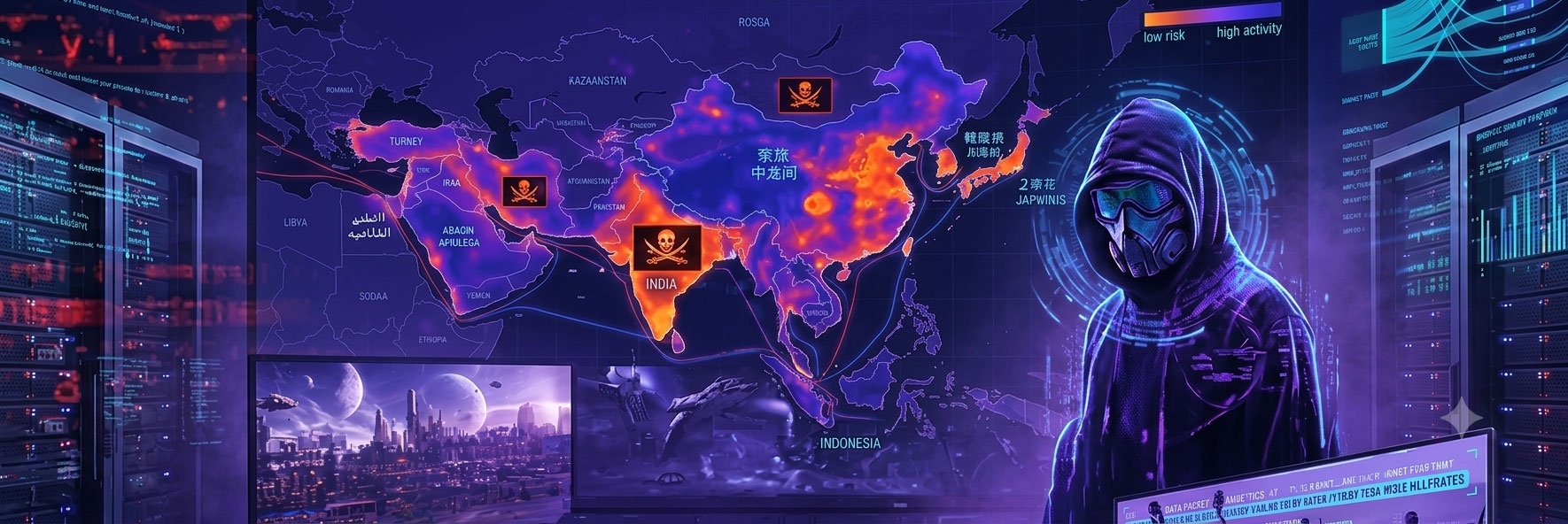
In India alone, the independent music sector loses approximately ₹100–200 crore per year due to these practices.
The Business Impact of Music Piracy
The misconception that piracy equals “free promotion” is outdated.
In reality:
- Pirated listeners rarely convert into paying audiences
- Advertising revenue is redirected to illegal platforms
- Artists lose control over distribution strategy
- Data analytics become inaccurate
For independent artists operating on thin margins, even minor revenue leakage can affect production budgets and marketing investment.
Copyright in Music: What You Actually Own
Every original song has two separate copyrights:
- Composition copyright – Lyrics, melody, structure.
- Sound recording copyright (Master rights) – The recorded version of that song.
Many disputes arise because artists don’t differentiate between these.
Common Copyright Risk Scenarios (And What To Do)
Scenario 1: Non-Exclusive Beat Dispute
You purchase a non-exclusive beat. Another artist legally uses the same beat. Platforms detect similarity and monetisation paused.
What you can do:
- Always read the license agreement before purchase.
- Upgrade to exclusive rights if brand differentiation is critical.
- Maintain written proof of license for dispute resolution.
- Register your track officially to establish timeline ownership.
Scenario 2: Unlicensed Sampling
You sample a small portion of an old song assuming it’s “too small to matter.” There is no legally “safe” duration.
What you can do:
- Clear samples before release.
- Use royalty-free libraries with documented proof.
- When unsure, recreate instead of sampling.
- Consult a rights clearance professional before distribution.
Scenario 3: Collaboration Without Split Sheets
The song becomes successful and then there is disagreement over royalty shares.
What you can do:
- Sign split sheets before studio sessions.
- Define ownership percentages clearly.
- Register splits with your distributor and PRO (Performing Rights Organisation).
- Keep digital and physical copies of agreements.
Scenario 4: Metadata Errors & Royalty Loss
Credits are missing or incorrect and then royalties are misallocated.
What you can do:
- Finalise metadata before upload (ISRC, songwriter credits).
- Double-check distributor entries.
- Maintain a centralised rights spreadsheet.
- Audit royalty statements periodically.
Trademark Risks in Music
Copyright protects songs. Trademarks protect your identity. This includes artist name, logo, stage brand, etc.
Trademark Risk Scenarios (And Solutions)
Scenario 1: Artist Name Conflict
You discover another artist holds trademark rights over your stage name.
What you can do:
- Conduct a trademark search before building brand equity.
- Register your artist name early in your primary territory.
- Secure social media handles consistently.
Scenario 2: Fake Profiles & Impersonation
Someone uploads music under your name.
What you can do:
- Report impersonation through platform verification channels.
- Secure blue-tick verification where available.
- Monitor streaming platforms for duplicate profiles.
- Work with anti-piracy monitoring partners.
Scenario 3: Merchandise Misuse
Third parties sell products using your artist name.
What you can do:
- File trademark infringement complaints.
- Send legal notices when necessary.
- Use marketplace reporting systems (Amazon, Flipkart, etc.).
AI Misuse in Music
AI has introduced new grey zones that sit between copyright, personality rights, and unfair competition.
AI Risk Scenario 1: Voice Cloning
Your voice is replicated without consent.
What you can do:
- Issue immediate takedown requests.
- Assert personality rights/publicity rights.
- Document proof of original vocal recordings.
- Work with enforcement partners to track repeated misuse.
AI Risk Scenario 2: “In the Style Of” Tracks
AI-generated music marketed as “in the style of [Your Name]” is again music piracy.
What you can do:
- Challenge misleading commercial use.
- Assert brand dilution if it impacts your audience.
- Monitor platforms regularly for misuse.
AI Risk Scenario 3: Training Data Scraping
Music catalogues scraped and used for AI training without consent.
What you can do:
- Monitor torrent and archive platforms.
- Issue copyright notices when distribution occurs.
- Advocate for contract clauses addressing AI usage in distribution agreements.
AI Risk Scenario 4: Deepfake Collaborations
AI-generated tracks claiming you “featured” on a song.
What you can do:
- Publicly clarify misrepresentation.
- File copyright and impersonation complaints.
- Escalate through platform legal channels.
To know more about how we can help against music piracy, contact us.
Recent Blogs