We are innovative, ambitious and ready for challenges! Hire Us






John Doe Orders and Dynamic Injunctions: The Fight Against Piracy
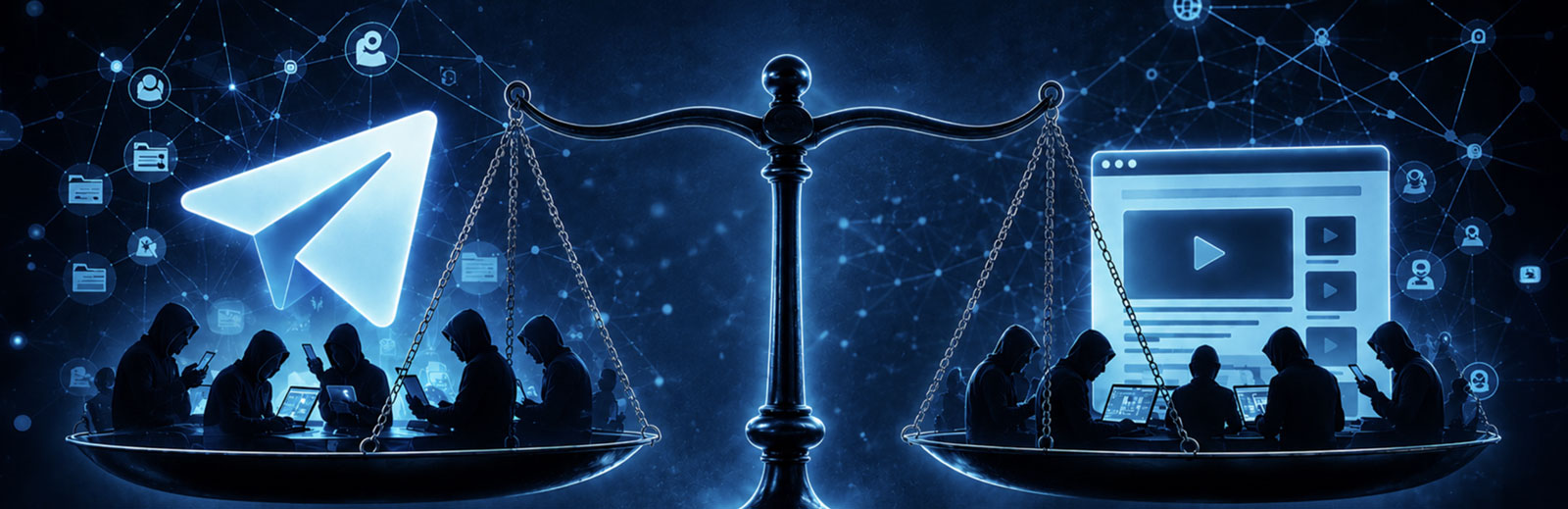
Piracy has rapidly evolved from bootleg DVDs and torrent sites into a vast, organized, and global digital ecosystem. Today, pirated content spreads through apps, cloud links, Telegram groups, and social media networks within minutes of a release. For producers, studios, broadcasters, and OTT platforms, this isn’t just an economic issue, it impacts investor confidence, brand value, and long-term industry growth.
To protect intellectual property, Indian courts have introduced legal tools such as John Doe orders (Ashok Kumar) and Dynamic Injunctions. Our legal experts at BLOCK X are simplifying these legal tools for you.
John Doe Orders: The First Line of Defense
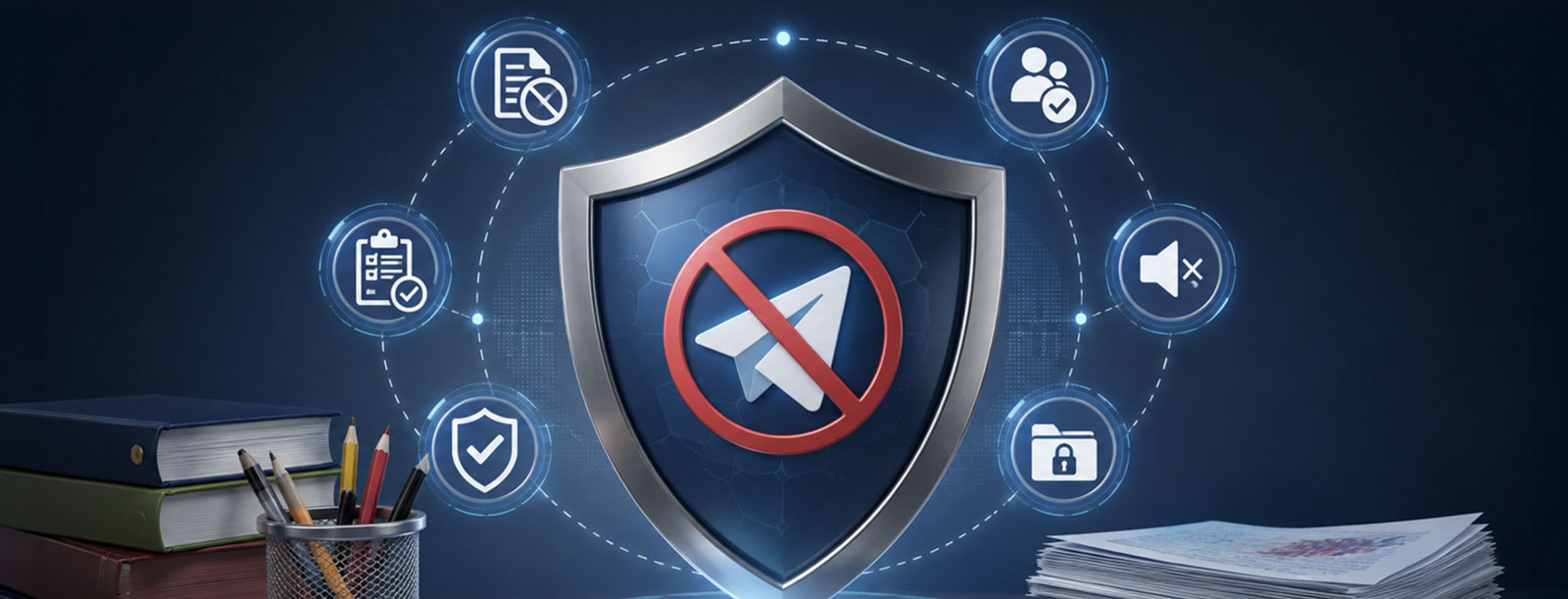
John Doe Orders are essentially a pre-emptive strike.
Definition: It’s a court order that allows rights holders to take action against unknown infringers (the “John Does”). In India, it is often called an Ashok Kumar Order. The order is like getting a “wanted” poster from a judge for a criminal you can’t yet identify, but whose crime you know is about to happen. It allows you to take legal action against these unknown pirates ahead of time.
How it Works: Before a film or show is released, producers approach the court with evidence of likely piracy. The court then grants an order covering a fixed list of infringing websites. ISPs (like Jio or Airtel) are directed to block these sites once the content goes live.
Strengths:
- Acts immediately at release
- Catches the first wave of piracy
- Serves as a deterrent to some would-be infringers.
Limitations:
- The “Whack-a-Mole” problem when once a site is blocked, pirates quickly launch mirrors or new domains (e.g., TamilMV.bet becomes TamilMV.for).
- Each new site requires a fresh order which is time-consuming and costly
- Smaller Tier-2 ISPs often escape enforcement.
In short, John Doe Orders are effective for that first strike, but they struggle against piracy’s ever-changing tactics.
The Dynamic Injunction: A Smarter Legal Weapon
Recognizing the shortcomings of John Doe Orders, Indian courts introduced the Dynamic Injunction, first applied in UTV v. 1337x.to (2019).
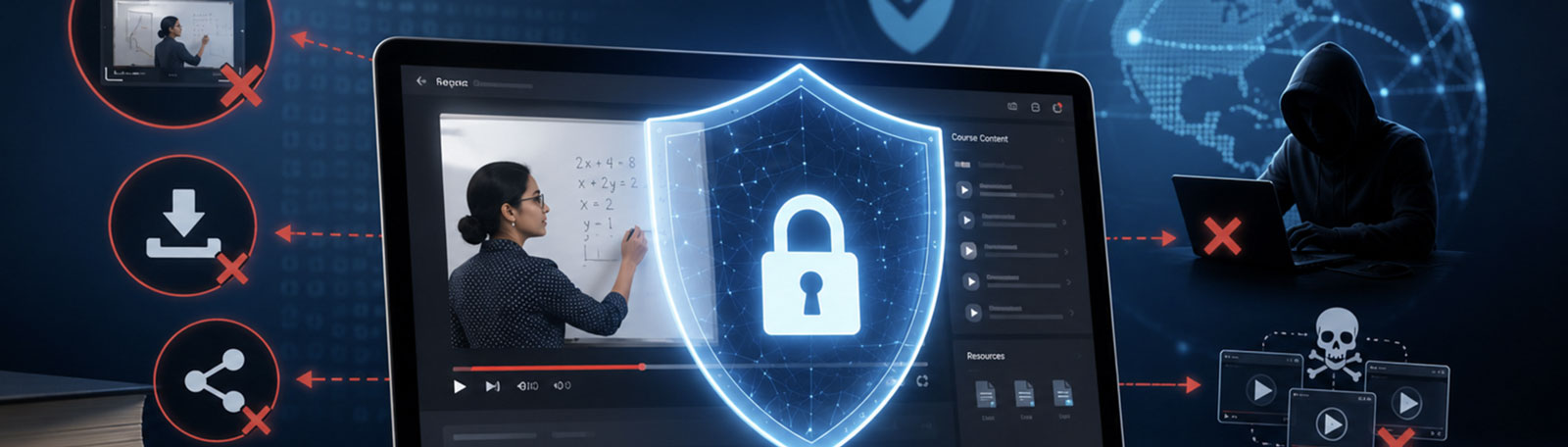
Definition: A “living” order that adapts to new piracy threats, especially mirror, redirect, and alphanumeric websites that emerge after the first block.
How it Works:
- Courts initially block the primary infringing websites.
- If pirates launch mirror sites, rights holders file a request with the Joint Registrar (not the judge).
- Once verified, ISPs, DoT, and MeitY are instructed to block the new sites without a need for a fresh lawsuit.
Strengths:
- Tackles the “hydra-headed” problem effectively.
- Saves significant time and legal costs.
- Involves government agencies, ensuring national-level enforcement.
Limitations:
- Compliance by ISPs and registrars can still be slow.
- Requires continuous monitoring and enforcement.
Despite these challenges, Dynamic Injunctions are far more flexible and sustainable than John Doe Orders.
Why Dynamic Injunctions Work Better
- Broader Reach: Covers hydra-headed websites without repeated court visits.
- Faster Response: New sites can be blocked within days instead of weeks.
- Future-Ready: Some courts extend protection to unreleased works.
- Cost-Efficient: Saves creators from expensive repetitive litigation.
In today’s digital environment, piracy moves too fast for static solutions. While John Doe Orders are valuable, Dynamic Injunctions align better with the speed, scale, and sophistication of online piracy.
How BLOCK X Helps
At BLOCK X, we work with both John Doe Orders and Dynamic Injunctions, depending on the client’s needs and the situation.
- For theatrical releases and OTT drops, John Doe Orders provide a solid first line of defense. It is like an old cannon. It’s powerful for the first shot, but it’s slow to reload and can’t hit a target that moves quickly.
- For long-term digital protection, Dynamic Injunctions ensure continuous and adaptive enforcement. It is like a modern auto-targeting system. It hits the first targets and then quickly and precisely takes down new ones as they appear, without needing to pause and get new orders.
At BLOCK X, our expertise lies in monitoring, detection, and execution, ensuring that these legal tools deliver real-world impact for our clients, protecting their content in the online space. We leverage both approaches to give our clients the strongest possible protection in India’s evolving legal and digital ecosystem. Contact us today to know how our techno-legal expertise can streamline your revenue streams.
Credits: Midhuna Nair, Sri Vasavi Devi, Varun Anand (Representatives from BLOCK X)
Recent Blogs