We are innovative, ambitious and ready for challenges! Hire Us




AI-Generated Images and the Era of Deepfakes
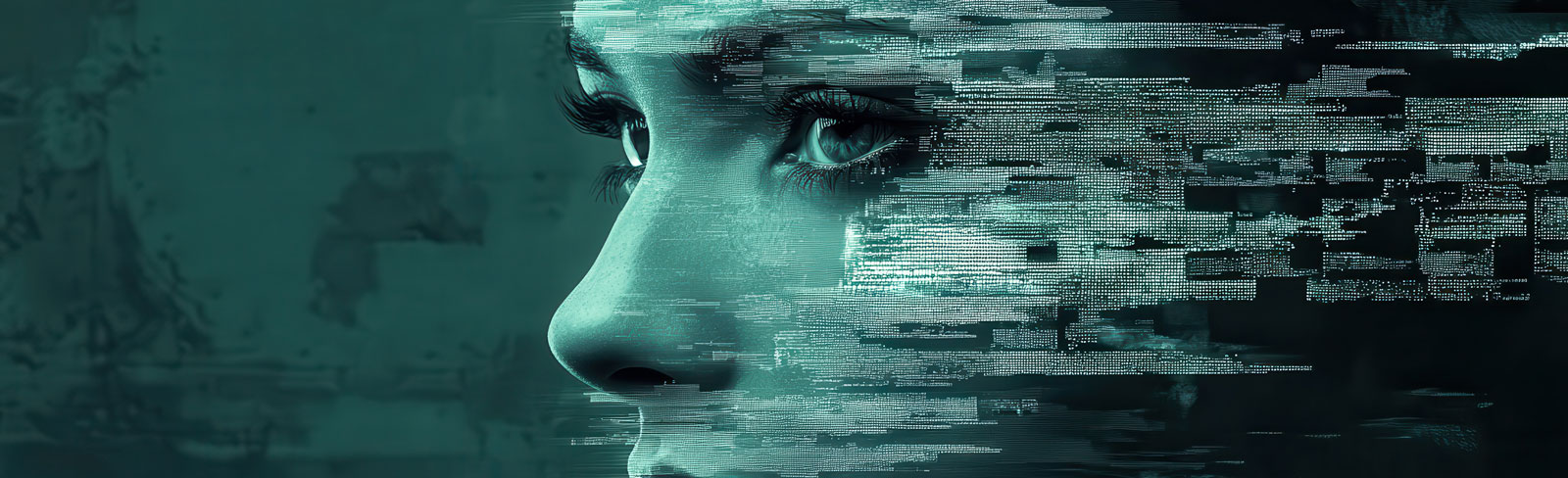
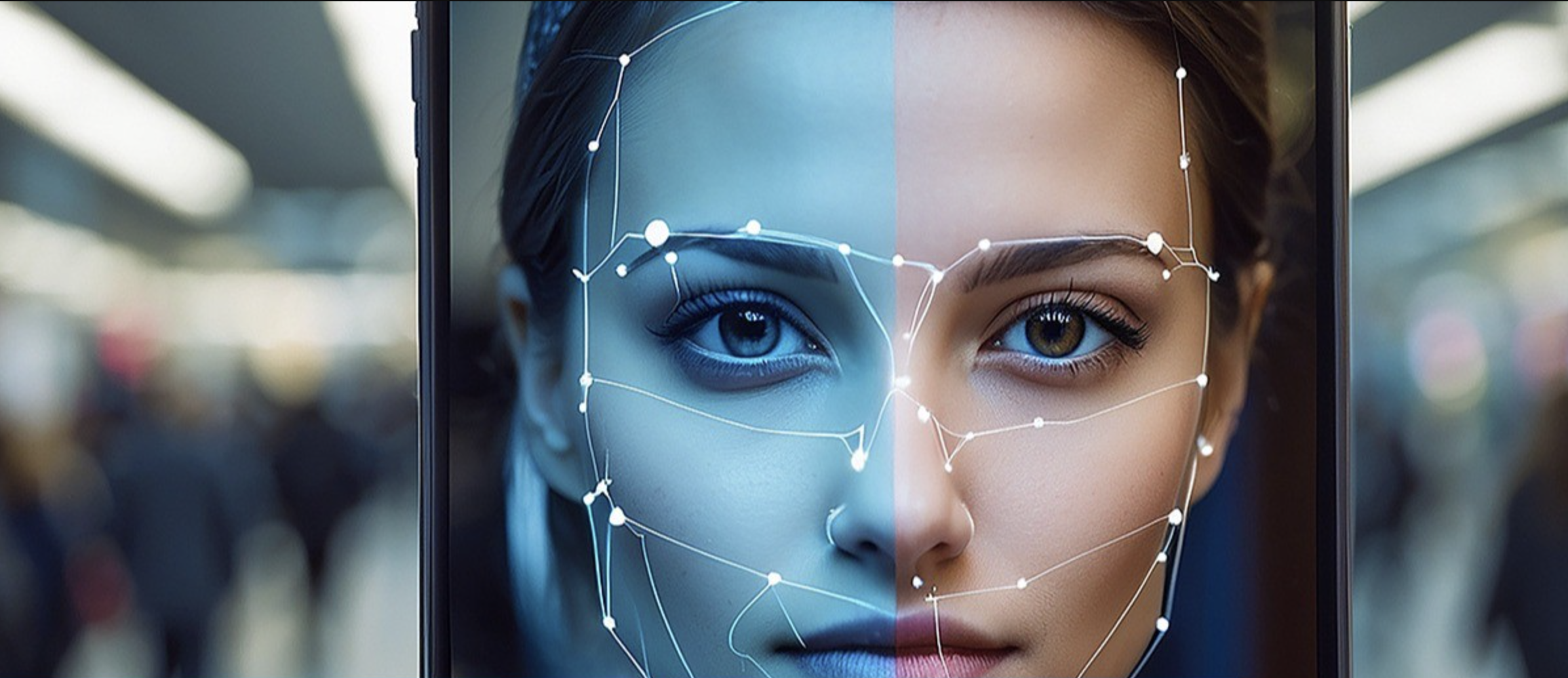
Artificial intelligence has changed the digital world faster than most of us could imagine. Scroll through any social platform today and you’ll find AI-generated images of celebrities, some flattering, some bizarre, and some deeply problematic. These aren’t the casual Photoshop edits we once laughed at. They’re hyper-realistic, machine-crafted visuals that can place a public figure in any scenario, mimic their expressions, or recreate their face with uncanny accuracy.
With just a few prompts, anyone can generate lifelike versions of a celebrity who never posed, never spoke, and never consented. The result is a new, unsettling era of identity manipulation; one that blends imagination with misinformation and blurs the line between what is real and what is manufactured.
For celebrities, this technology is both a reputational risk and a profound invasion of privacy. Their identity, name, image, voice, likeness is not just personal; it is a commercial asset. When AI tools generate manipulated content without consent, it erodes their personality rights, fuels misinformation, and violates their dignity.
India has seen a rapid rise in litigation around AI-generated images like deepfakes and misuse of celebrity identity, with courts issuing strong personality-rights protections across multiple recent cases. The Delhi High Court has granted sweeping injunctions in matters involving Ajay Devgn, Aishwarya Rai Bachchan, Abhishek Bachchan, Anil Kapoor, and Jr. NTR, restraining the unauthorized use of their name, image, voice, likeness, and AI-generated content, including morphed visuals, explicit deepfakes, and fake endorsements.
The Bombay High Court has issued similar reliefs for Suniel Shetty and Asha Bhosle, while the Madras High Court has acted in favour of Ilaiyaraaja. These orders consistently recognize that AI-generated impersonations violate publicity rights, dignity, privacy, and economic interests, and can cause irreparable harm. Courts now treat identity as a protectable asset in the digital era, while also emphasizing that complainants must use intermediary takedown mechanisms under the IT Rules, 2021 before seeking urgent relief signalling a structured, fast-response legal framework for AI misuse in India.
Recent judicial developments underscore the gravity of this issue. In Ajay Devgn v. The Artists Planet & Ors., the Delhi High Court reaffirmed that a celebrity’s identity elements are legally protectable. The Court restrained digital platforms and unknown users from using or circulating Devgn’s AI-generated deepfakes, morphed visuals, and manipulated content. The ruling recognized what the digital world is only beginning to understand: unauthorized AI-generated content is not “creative expression”, it is exploitation. But the case also highlighted a critical procedural gap: victims must first approach intermediaries under the IT Rules, 2021, before seeking emergency court relief. This places even greater importance on rapid takedown systems and specialized partners who know how to navigate this ecosystem effectively.
In a significant move to protect digital identity rights, the Madras High Court recently granted interim protection to legendary music composer Ilaiyaraaja’s personality rights, restraining various digital platforms from using his image, voice, AI-generated visuals, morphed photos, or other identifiable attributes without authorization, particularly where such content is commercially exploited or creates misleading impressions; the order reflects growing judicial recognition that unauthorized AI and manipulated content can infringe a public figure’s dignity, reputation and economic interests, and underscores the need for consent before using a celebrity’s persona online. Though this is far from the deepfake images, it still questions the use of AI in everyday life.
This is where BLOCK X stands at the forefront.
The Real Risks Behind AI-Generated Images for Celebrities
AI misuse is not limited to harmless fan edits. The threats are multifaceted:
- Obscene or explicit deepfakes that damage dignity and reputation
- Fabricated endorsements falsely linking celebrities to brands, scams, or political narratives
- AI-generated statements or “face swaps” engineered to mislead the public
- Unauthorized data harvesting, where a celebrity’s face becomes part of an AI engine’s training dataset
- Morphed visuals that trigger social media harassment, trolling, or coordinated attacks
With virality built into the architecture of platforms, even a single manipulated image can spiral into thousands of shares within hours.
BLOCK X’s Role: Defending Identity in the AI Era
BLOCK X has worked extensively with celebrities, production houses, talent managers, and legal teams facing AI-driven impersonation and misuse. Our mandate is clear: protect the digital identity of public figures wherever it is threatened.
Our capabilities include:
1. Rapid Detection and Removal of AI-Generated Abuse
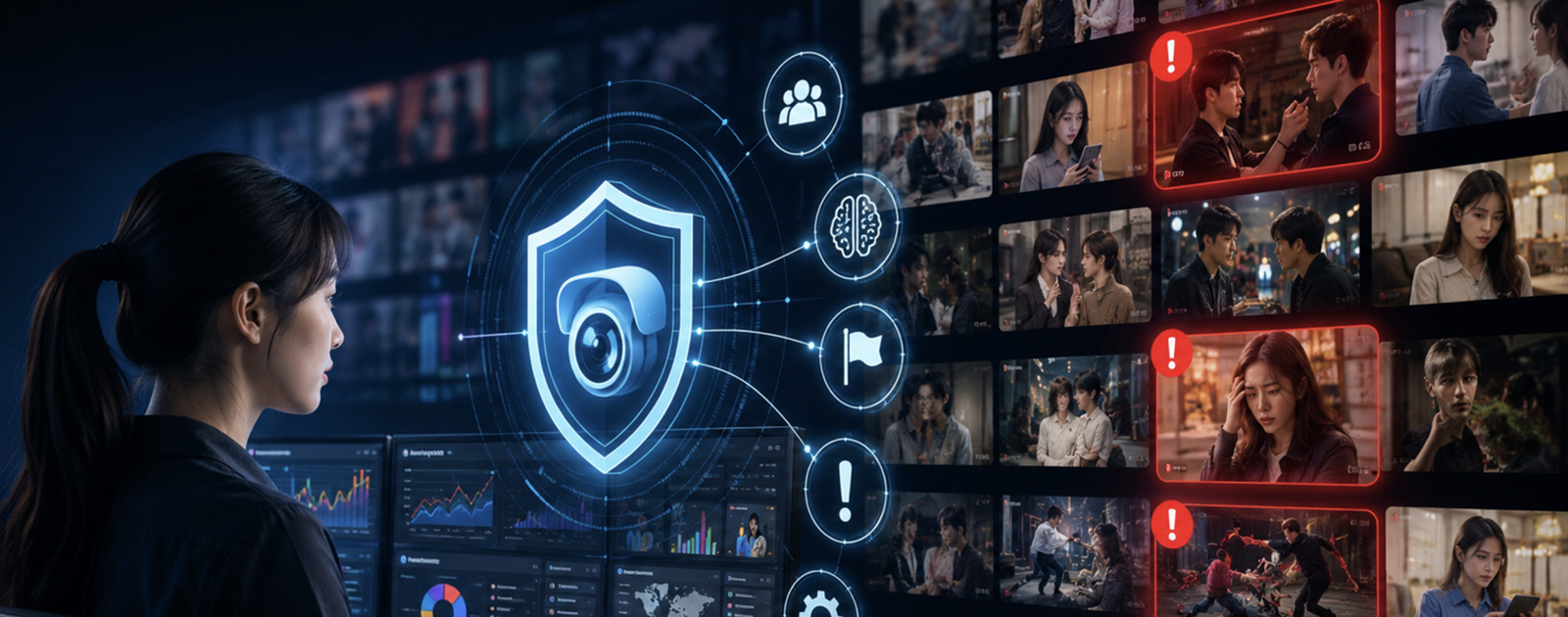
We monitor platforms, forums, apps, and emerging channels where deepfakes typically surface. Once detected, our takedown teams intervene immediately using the IT Rules, intermediary processes, and fast-track channels to eliminate harmful content.
2. De-Indexing and Global Content Suppression
Even removed content often resurfaces. BLOCK X ensures persistent suppression across search engines, re-upload sites, and secondary platforms.
3. Removal of Personal Training Data From AI Models
A rapidly growing area of concern is the use of celebrity images in AI training datasets. We work with model developers, third-party repositories, and AI tool operators to:
- Identify unauthorized use of personal images
- Demand removal or restriction of training data
- Prevent further reproduction of synthetic outputs
This is a proactive measure: stopping abuse at the source rather than only responding downstream.
4. Legal-Ready Documentation
For clients who choose to pursue legal action, BLOCK X provides consolidated evidence packs, timestamps, source links, and violation analyses to support proceedings. This ensures courts receive structured, admissible documentation.
5. Brand and Reputation Integrity
By removing AI-generated misinformation, we help celebrities maintain control over endorsements, image rights, and narrative consistency especially during film releases, brand campaigns, or political sensitivities.
Why This Matters More Than Ever
AI tools democratize creativity but they also democratize misuse. For celebrities who live under relentless public scrutiny, synthetic media can turn into a weapon that distorts reality, fuels rumours, and chips away at trust.
The Delhi High Court’s stance signals a stronger judicial push to protect personality rights. But enforcement still relies on a fast, expert-driven ecosystem that can:
- Identify threats early
- Respond faster than virality
- Use the correct legal and platform pathways
- Clean the digital trail comprehensively
BLOCK X has built that ecosystem.
Conclusion: Protecting Identity Is No Longer Optional
As AI capabilities scale, every public figure like actors, influencers, athletes, politicians faces the same risks. Unauthorized AI-generated content is not just a copyright issue; it is a matter of privacy, dignity, and personal security.
At BLOCK X, we are committed to ensuring that no celebrity’s image becomes a tool for exploitation. Whether it is deepfake suppression, dataset removal, or rapid response to impersonation, we stand as the digital guardian for identity in an AI-powered world.
If you are a celebrity, influencer or anyone who faces such abuse online, we are here to protect you. Contact BLOCK X to know how.
Recent Blogs