We are innovative, ambitious and ready for challenges! Hire Us







Fintech Frauds: Fueled by Piracy Networks and AI
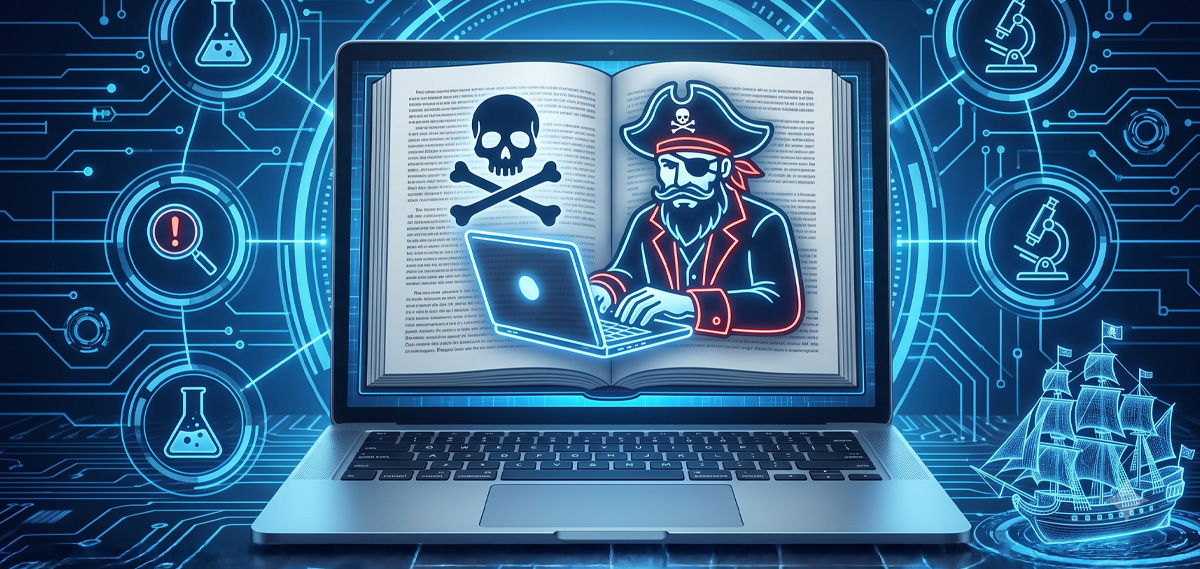
When we talk about piracy, the majority of the crowd relates it to leaked movies, hacked softwares, or streaming links shared in Telegram groups. But that is not it all. Piracy networks are far more sophisticated, organized, and interconnected as they’re not just spreading entertainment content but are powering financial frauds at scale.
What used to be a corner of the internet for illegal downloads has evolved into a breeding ground for phishing attacks, fake payment gateways, identity theft, malicious apps, and fintech frauds worth billions.
The overlap is no longer subtle, it’s intentional.
India’s Digital Boom Meets Its Dark Twin with Fintech Frauds
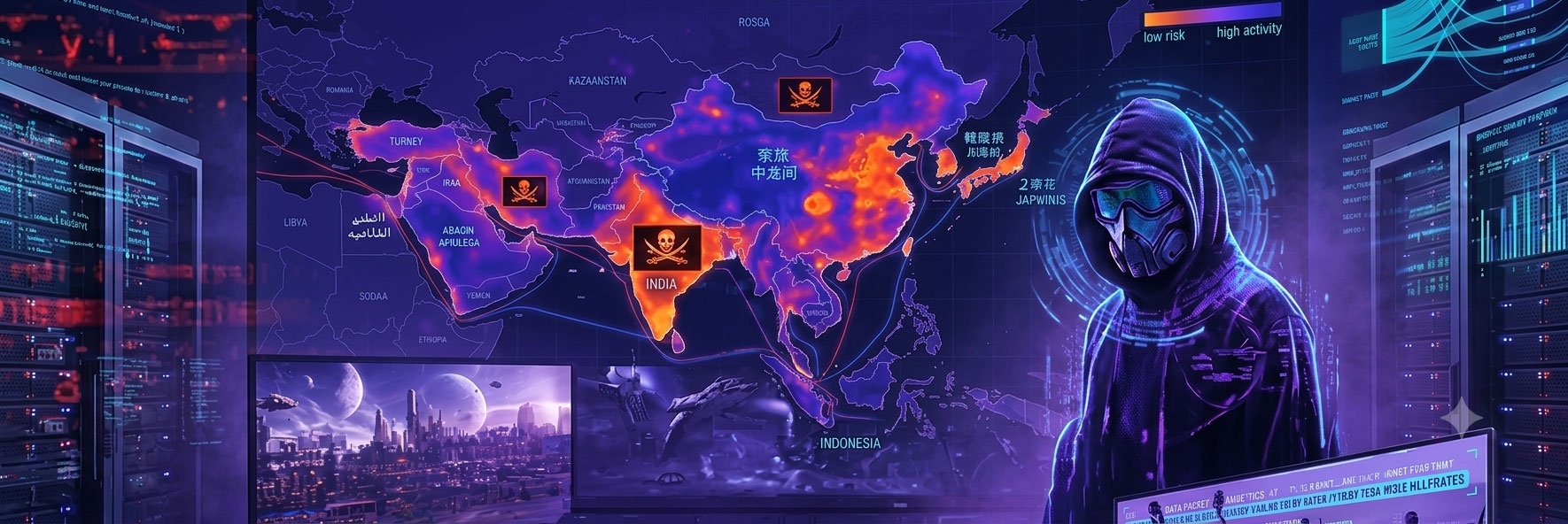
India is one of the fastest-growing digital economies in the world. UPI payments crossed billions of transactions per month. Digital wallets, BNPL platforms, investment apps, and online banking have become everyday essentials.
But rapid adoption brings something else with it: opportunistic cybercrime.
Piracy platforms already had:
- Servers that weren’t monitored
- Users trained to trust “free” downloads
- Anonymous messaging channels
- Side-loaded APK culture
All the fraud ecosystem needed was a new product, and that product became money, creating fintecg frauds. Piracy wasn’t just about content anymore, it became the gateway to fake loan apps that drained accounts, websites that mimicked legitimate banks, payment pages that looked authentic but stole credentials, databases selling KYC documents and credit card dumps and malware hidden inside streaming apps.
How Anti-Piracy Became an Unexpected Security Layer
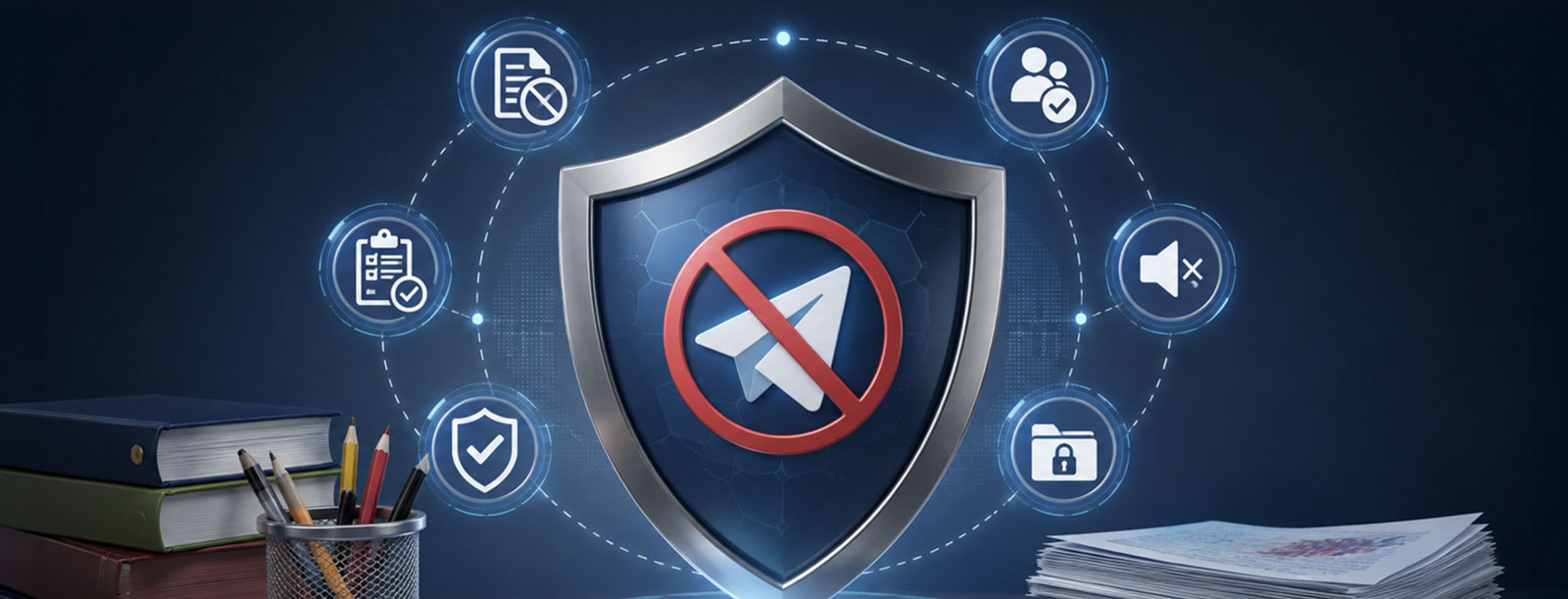
This is where companies like BLOCK X stepped into a much bigger role than expected to combat fintech frauds.
While the initial mission was clear: To protect original content, shut down piracy networks, and safeguard creators, the work naturally expanded. Because when you trace illegal movie links, fake streaming domains, or cracked-software communities long enough, you start noticing something else:
The same hands distributing pirated links were also running phishing kits. The same servers hosting torrents were deploying fraud fintech websites. The same Telegram channels promoting illegal streaming were selling stolen financial identities.
At some point, it stopped being coincidence and became a pattern. So anti-piracy enforcement turned into a new kind of digital protection that not only removes infringing content, but disrupts fraud pipelines long before victims notice the threat.
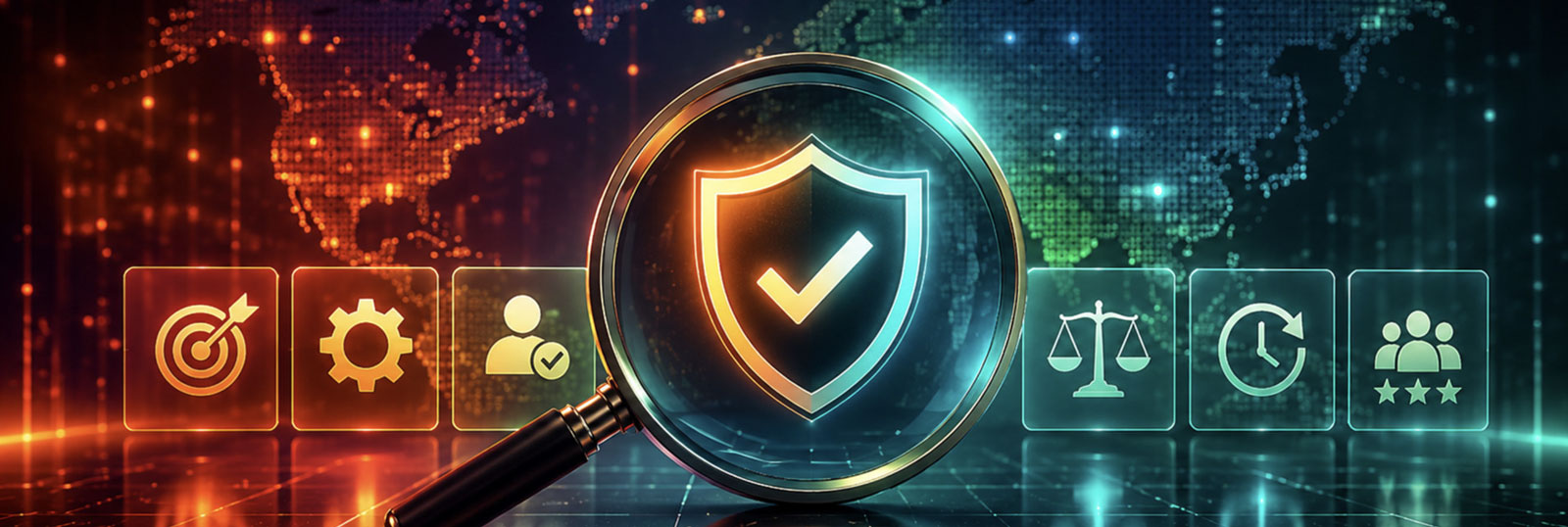
BLOCK X tracks fraudulent domains the moment they appear, detects cloned fintech landing pages before they escalate, monitors dark web chatter where stolen customer data circulates, and collaborates with hosts, app stores, ISPs, and legal authorities to shut operations down at infrastructure level, not just at the surface.
Because in this new ecosystem, taking down a pirated movie link might also take down a live phishing operation- cutting down a massive impact caused by fintech frauds.
How AI Is Accelerating Fintech Frauds: Deepfakes, Phishing, and Trust Exploitation
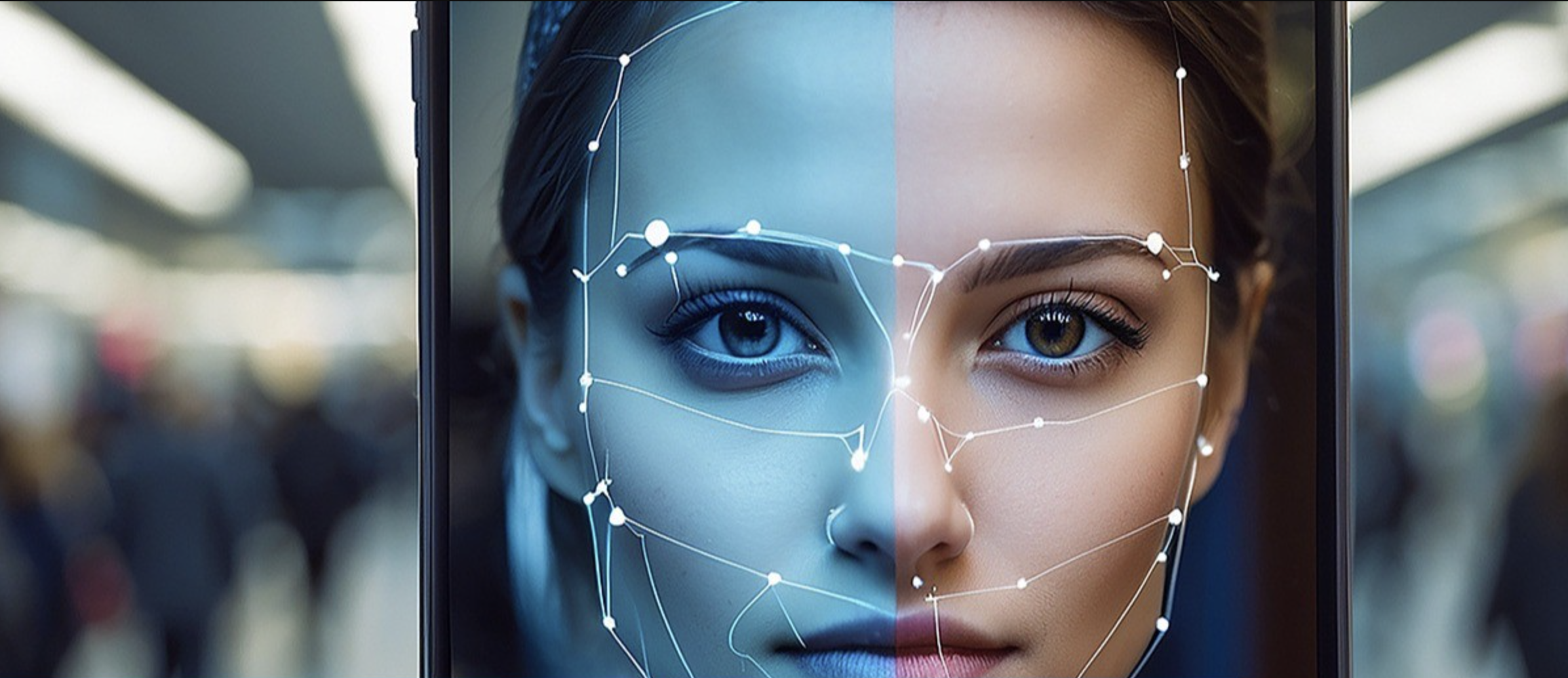
In addition to piracy networks and traditional scam infrastructure, Artificial Intelligence (AI) has introduced a new accelerant to fintech frauds. Generative AI tools have made it easier for bad actors to produce highly convincing digital media, including deepfake videos, synthetic voices, and AI-crafted phishing content that can bypass human skepticism and traditional security signals.
A notable recent example in India demonstrates this threat clearly: Deepfake videos featuring Union Finance Minister Nirmala Sitharaman were circulated on social media and messaging platforms, showing her endorsing investment and trading platforms, promising unrealistic returns to investors. These AI-generated videos were not only visually convincing, they also included manipulated audio and compelled victims to click fraudulent links and enter sensitive financial information. One such deepfake scheme reportedly led to a woman in Bengaluru losing over ₹33 lakh after she followed the video’s instructions, registered on a fake platform, and shared personal banking details, believing the endorsement to be genuine. The case was registered with cybercrime authorities under the Information Technology Act after it surfaced that the video and related emails including fake Reserve Bank of India correspondence were entirely fraudulent.
These instances are not isolated. Multiple AI-manipulated clips showing public figures, including political leaders and business icons promoting fake financial products or crypto trading schemes have been identified by fact-checkers and cybercrime labs. In several cases, original footage from unrelated interviews was repurposed with AI-generated audio and facial edits to create convincing yet fraudulent narratives designed to lure investors to phishing sites or scam apps.
While legitimate use of AI in banking and fintech helps with onboarding and fraud detection, the same technologies in the wrong hands dramatically increase the speed, scale, and sophistication of scams.
A New Era of Digital Protection
The line between piracy and fintech frauds are gone. There aren’t two separate ecosystems, there’s one evolving underground digital economy, and it adapts faster than traditional security models.
BLOCK X is built for this new landscape.
We don’t just delete links, we dismantle networks. We don’t just remove content, we protect digital trust. We don’t just fight piracy, we fight the system that allows it to become fintech frauds.
Because the modern internet doesn’t need defenders who react, it needs ones who intercept, disrupt, and prevent. And that’s where the future of anti-piracy and fintech frauds’ protection now meets.
To get a free quote, contact BLOCK X.
Recent Blogs