We are innovative, ambitious and ready for challenges! Hire Us






TeraBox Piracy: How Cloud Storage Became the Backbone of Modern Digital Piracy
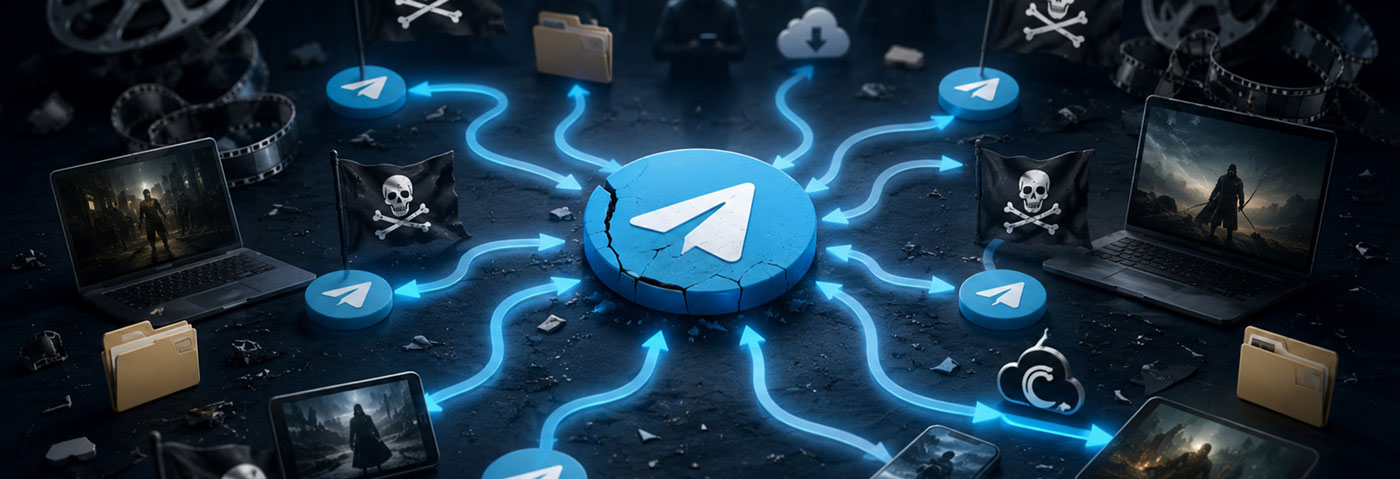
Digital piracy has undergone a structural shift by evolving into a decentralised, cloud-based ecosystem. At the centre of this transition is TeraBox piracy, operating in tandem with Telegram, forming one of the most resilient piracy distribution models seen in recent years.
This blog examines what TeraBox piracy is, when it scaled massively, why it is difficult to dismantle, and how BLOCK X addresses this challenge at scale.
What Is TeraBox Piracy?
TeraBox is a cloud storage platform launched in 2020, offering users up to 1 TB of free storage. While designed as a legitimate personal storage solution, it has increasingly been repurposed by piracy networks to host and distribute copyrighted content, including films, series, regional content, and OTT originals. In 2023, after the AI update, its usage is boomed.
TeraBox piracy refers to the unauthorised hosting of copyrighted content on TeraBox servers, distributed publicly or semi-privately via share links most commonly amplified through Telegram channels. The free version has ads while the premium version has more storage and download space.
Crucially, TeraBox itself is not a piracy website. It has become piracy infrastructure, a hosting layer embedded within a larger, multi-platform ecosystem.
When Did TeraBox Piracy Become Massive?
The scale-up of TeraBox piracy did not happen overnight. It followed a clear trajectory:
Phase 1: Opportunistic Misuse (2020–2021)
- Individual users uploaded content and shared public links.
- Piracy was fragmented, low-volume, and largely unorganised.
Phase 2: Platform Integration (2022)
- Piracy websites and Telegram groups began systematically embedding TeraBox links.
- Content was re-uploaded repeatedly to bypass takedowns.
- Early signs of repeat distributors emerged.
Phase 3: Industrial-Scale Piracy (2023 onwards)
- Large Telegram channels with 50,000–500,000+ subscribers began operating as distribution hubs.
- Content uploads became structured, automated, and monetised.
- Entire libraries of films and series were hosted on rotating TeraBox accounts.
From 2023 onwards, TeraBox piracy shifted from incidental misuse to a high-volume, channel-driven operation.
Telegram’s Role: The Traffic Engine Behind TeraBox Piracy
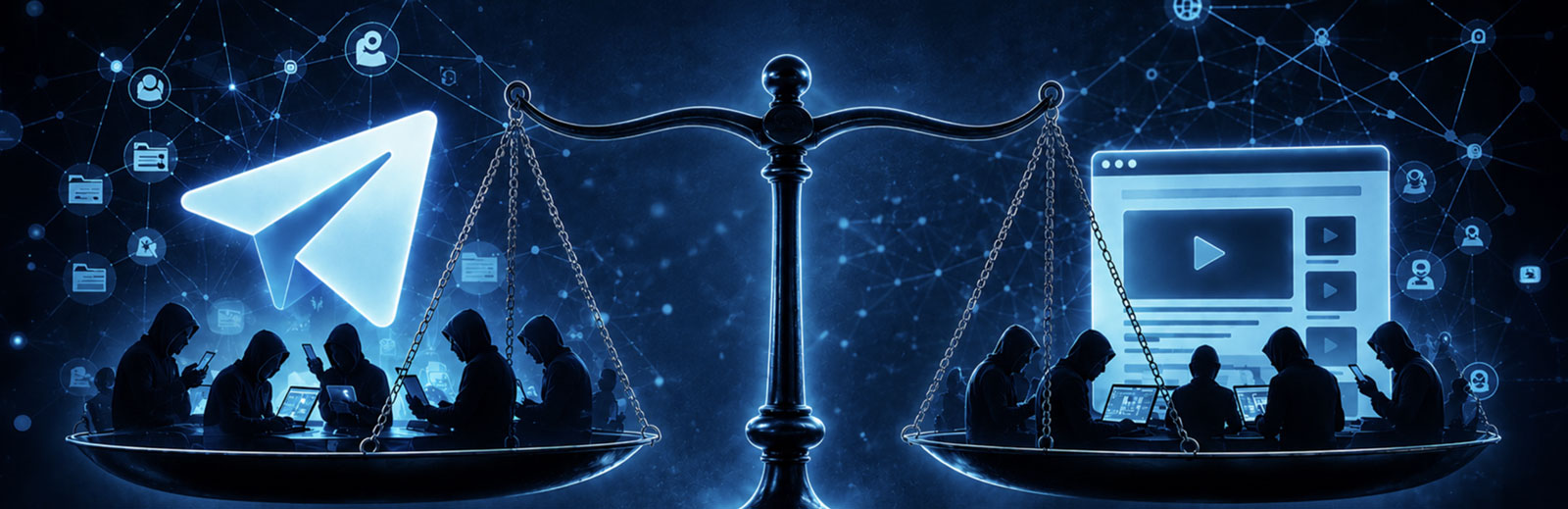
TeraBox does not operate in isolation. Telegram functions as the discovery, indexing, and traffic amplification layer.
Key characteristics of this ecosystem include:
- Telegram channels acting as catalogues for TeraBox-hosted content
- Daily or hourly posting of new links to retain subscriber engagement
- Use of bots for auto-posting, backups, and mirror creation
- Private and encrypted groups that limit visibility and delay enforcement
TeraBox has public and private channels. When a user searches on teraBox for a movie link, all relatable public links appears. In effect, Telegram drives demand, while TeraBox fulfils distribution—a dual-platform piracy model that is difficult to disrupt using traditional enforcement methods. The content uploaded covers all genre, including sexually explicit content.
Why TeraBox Piracy Is Difficult to Overcome
TeraBox piracy presents several structural enforcement challenges:
1. Cloud-Based Resilience
Unlike torrent sites or streaming portals, cloud links:
- Do not require a public-facing website
- Can be regenerated instantly
- Are difficult to block at ISP or DNS level without collateral impact
2. High Volume and Velocity
A single piracy channel can generate:
- Hundreds of new TeraBox links per week
- Thousands of re-uploads per title across mirrors
3. Account and Link Churn
- TeraBox accounts are disposable and inexpensive to replace
- Links change faster than manual enforcement teams can react and after takedown, main links remain active while the sub-links are removed as the source link is not revealed
4. Cross-Platform Fragmentation
Piracy workflows span:
- Telegram (distribution)
- TeraBox (hosting)
- Shorteners, ads, and payment tools (monetisation)
This fragmentation makes isolated takedowns ineffective.
The Scale of TeraBox Piracy: What the Data Shows
Based on BLOCK X monitoring across multiple titles and regions:
- 50-60% of new piracy links detected post-OTT release are cloud-hosted
- TeraBox ranks among the top three cloud hosts used for film and series piracy
- Popular regional titles generate 60,000+ TeraBox links within weeks of release
- 60- 80% telegram channels circulate same teraBox links to sustain traffic
- Takedown recovery time for pirate channels is often under 24 hours as new links are updated as soon as the old ones are taken down which requires constant monitoring
These figures underscore that TeraBox piracy is not marginal, it is central to today’s piracy landscape.
How BLOCK X Overcomes TeraBox Piracy
BLOCK X approaches TeraBox piracy as an ecosystem challenge rather than a platform-specific issue. BLOCK X’s enforcement strategy combines infrastructure-level detection with channel-centric action, enabling automated discovery of TeraBox links across Telegram, search engines, and the open web, while using pattern recognition to identify repeat uploaders. By targeting distribution nodes such as Telegram channels instead of isolated links, BLOCK X maps mirror networks, backup channels, and reposting behaviour. This is supported by high-velocity takedown workflows purpose-built for cloud-hosted piracy, ensuring continuous enforcement that limits re-upload dominance and sustained visibility.
This layered approach is reinforced by intelligence-led monitoring and campaign continuity. BLOCK X identifies early piracy spikes following theatrical or OTT releases, prioritises high-impact channels based on reach and engagement, and maintains long-tail monitoring well beyond launch windows to address delayed piracy surges. As piracy becomes cloud-hosted, community-driven, and platform-agnostic, enforcement must evolve accordingly. BLOCK X’s cross-platform, data-driven model protects rights holders not just from individual piracy incidents, but from entire piracy systems, shifting anti-piracy from reactive takedowns to sustained infrastructure defence.
To know more about our services, contact us.
Recent Blogs