We are innovative, ambitious and ready for challenges! Hire Us





Ownership and AI-Altered Movies: A Raanjhanaa Case Study
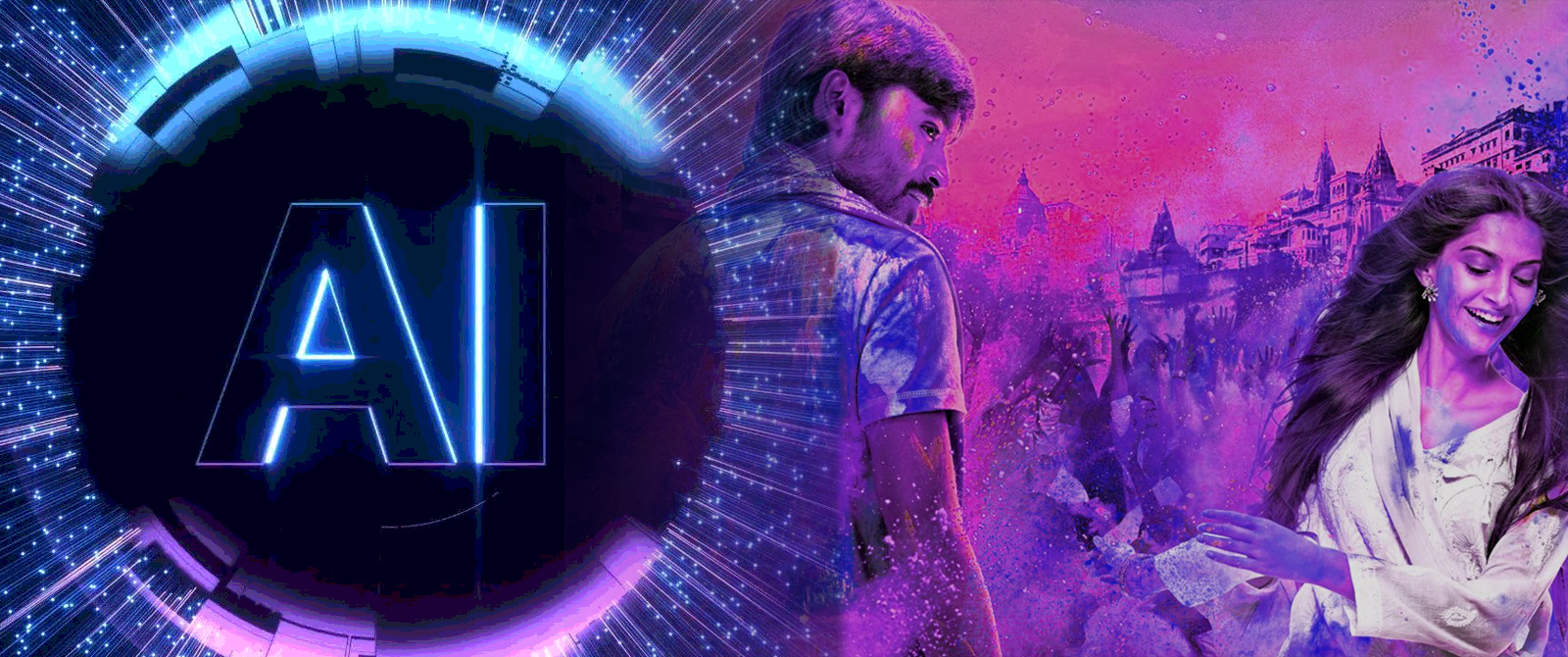
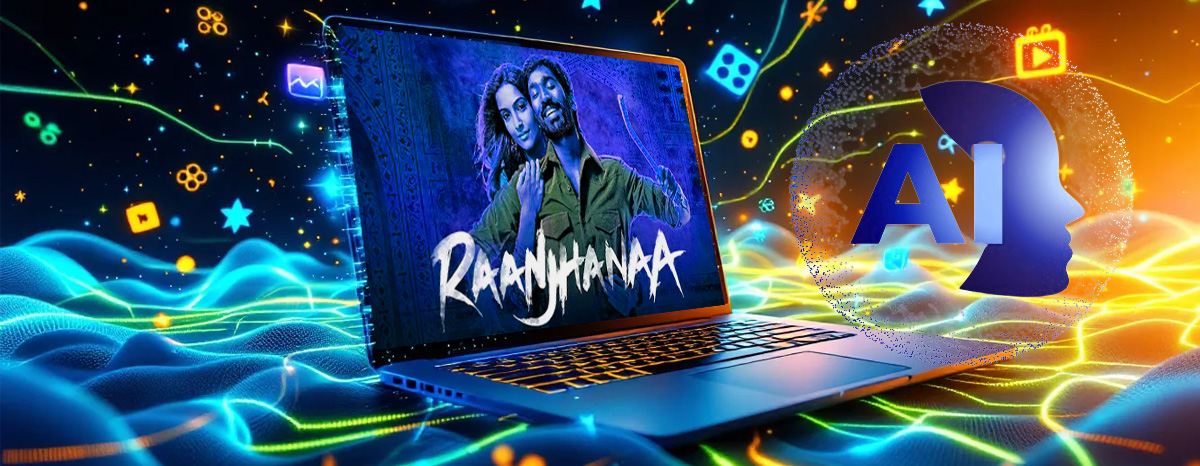
While the debate is heating up over the AI-altered movies’ climax of the Tamil version of Raanjhanaa, Director and lead actor have been vocal, calling the reworked happy ending a betrayal of the film’s emotional core. But beneath the noise lies a bigger question, when the law steps in, who actually has the right to object?
If not the director, then who? Could it be the producer? The scriptwriter? Or someone else entirely?
At BLOCK X, our legal experts have dissected this tangled web of copyrights, moral rights, and creative ownership. What we found reveals some interesting grey areas that could shape not just this case, but the future of AI and AI-altered movies.
Does Scriptwriter Own Rights Over the Movie?
Under Section 2(d) of the Indian Copyright Act, the “author” of a cinematograph film is legally recognised as the producer, who is also the first owner of the film’s copyright under Section 17(b), unless there is an agreement stating otherwise. This means the director, unless contractually granted such rights, cannot claim ownership or economic control over the film.
However, ownership of the film is distinct from the rights over its underlying works, such as the story, script, or screenplay. The Delhi High Court relied on Section 13 (4) of the Act to hold that the copyright held in a film will not affect the separate copyright in any underlying work(s). The copyright of the author subsisted in the screenplay. The author of the work, Satyajit Ray, was the first owner of the copyright by virtue of reading together Sections 17 and 2(d)(i) of the Act and Ray had the right to adapt or abridge the script.
In the case of Raanjhanaa, while Anand L. Rai is the director and producer, the screenplay was written by Himanshu Sharma. Since the film’s emotional core hinges on its tragic ending, altering it, i.e., for example, through AI to produce a happy ending could be argued to distort the work and infringe upon the scriptwriter’s moral rights. Indian courts have recognised such rights in cases like RDB & Co. (HUF) v. HarperCollins (where Satyajit Ray’s screenplay copyright was upheld) and Thiagarajan Kumararaja v. Capital Film Works (where a remake without the scriptwriter’s consent was restricted).
The Non-Transferability of Moral Rights
Rooted in the French concept of droit moral, moral rights are personal to the creator and cannot be waived, even if economic rights are sold. In India, Section 57 of the Copyright Act enshrines these protections, allowing authors to prevent distortions, mutilations, or modifications to their work that harm their honor or reputation.
Even if a producer claims contractual rights to make adaptations under Section 14, this power is not absolute. Sections 38B and 57 place clear limits when such changes infringe on the creator’s moral rights. Crucially, any blanket waiver of these rights would likely be struck down by an Indian court as against public policy.
Eros may claim it possesses the right to adapt the film under Section 14 for releasing AI-altered movies, but such rights are limited when alterations compromise the integrity of the work, as moral rights provide a safeguard against changes that distort its essence. The producer might also contend that the broad terms of the 2013 contract cover such modifications; however, consent in copyright law must be specific, and it is unlikely that an agreement made over a decade ago could reasonably be interpreted to include AI-driven alterations that were neither foreseen nor technologically possible at the time, a principle supported by the Doctrine of Unforeseen Technology.
AI-Altered Movies: Ethical Benchmarks in the Industry
Recent Indian films have set a “gold standard” in AI use, obtaining explicit consent and remuneration when recreating performances:

Eros’s unilateral decision to alter Raanjhanaa without consent stands in direct contrast to these practices of examples of AI-altered movies.
Dhanush’s Personality Rights Claim
Beyond moral rights, the case raises a strong potential claim for personality rights, the right of an individual to control the commercial use and portrayal of their identity, voice, likeness, and performance. Under Indian law, these rights are tied to personal dignity and artistic integrity, protected under Article 21 of the Constitution.
Indian courts have upheld such rights in cases involving celebrities like Rajinikanth and Anil Kapoor, recognising them as personal and non-transferable. Altering Dhanush’s character’s fate through AI, without his consent, could be seen as both a distortion of his artistic portrayal and a misuse of his public image in AI-altered movies.
AI and the Legal Grey Zone
Currently, Indian copyright law recognises only human authorship in spite of having AI-altered movies in theatres. AI-generated content without significant human creative input is not granted copyright protection. However, this does not strip away moral or personality rights from the human creators involved in the original work.
The Raanjhanaa controversy illustrates a growing challenge, how to protect creative intent and reputational integrity when AI tools make it possible to alter films without the participation or approval of the original artists.
What This Case Could Mean for the Future?
Given the vocal objections from creators, peers like Farhan Akhtar and Ritesh Sidhwani, and the broader public, the momentum is building for Indian courts to reaffirm and strengthen moral rights in the digital age. We may soon see judicial recognition that:
- Moral rights of story writer, screenplay writer and director are inalienable and survive even when economic rights are assigned.
- Personality rights extend to prevent AI-altered movies when it comes to a performer’s work.
- Contracts that do not account for technologies unavailable at the time of signing may be unenforceable, with moral rights taking precedence over any assigned economic rights.
The Raanjhanaa AI-edited climax is more than a creative dispute, it’s a test case for how Indian law will balance producer rights with the moral and personality rights of artists in the age of AI-altered movies. The outcome could shape the future of digital ethics in cinema, ensuring that innovation does not come at the cost of artistic integrity.
To know more about how BLOCK X can protect your movies, contact us.
Credits: Sri Vasavi Devi, Varun Anand and Midhuna Nair. G (Representatives from BLOCK X)
Recent Blogs