We are innovative, ambitious and ready for challenges! Hire Us




The Legal and Ethical Tightrope: AI Generated Images and Personality Rights
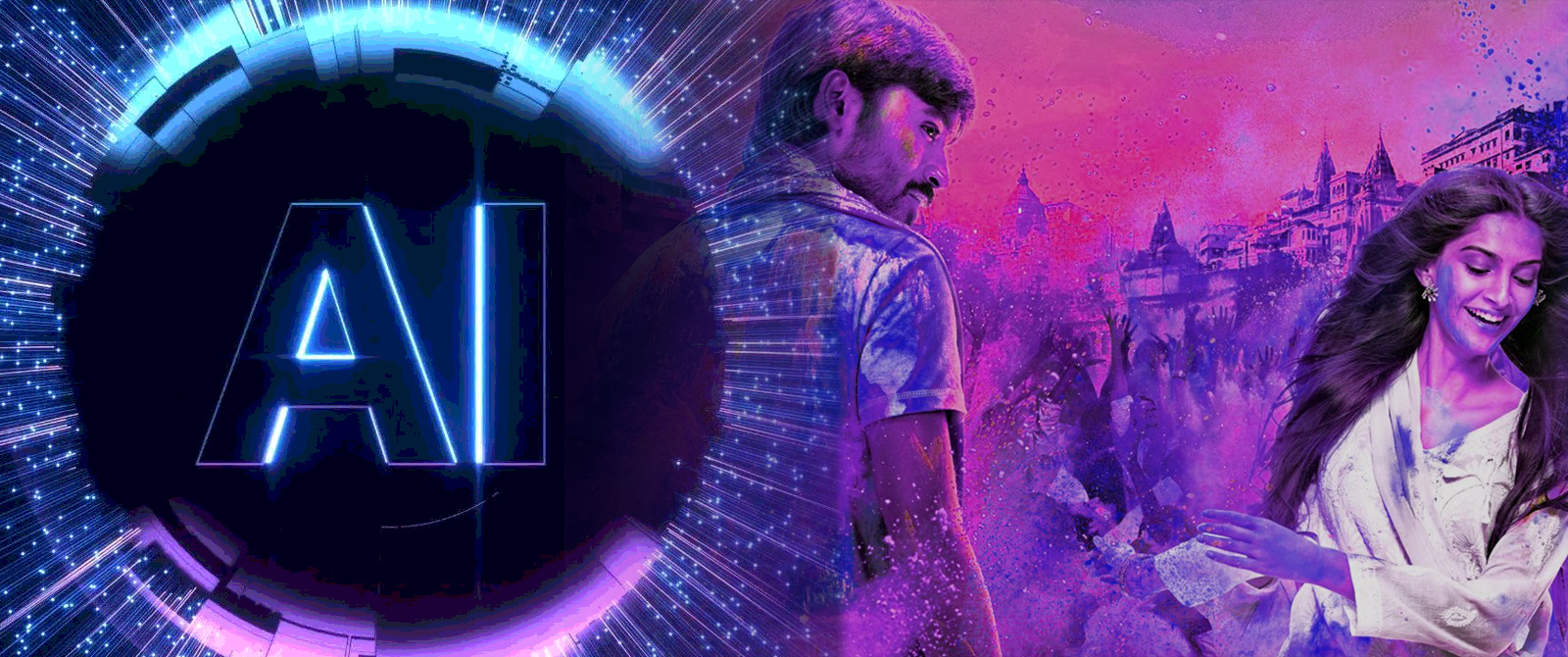
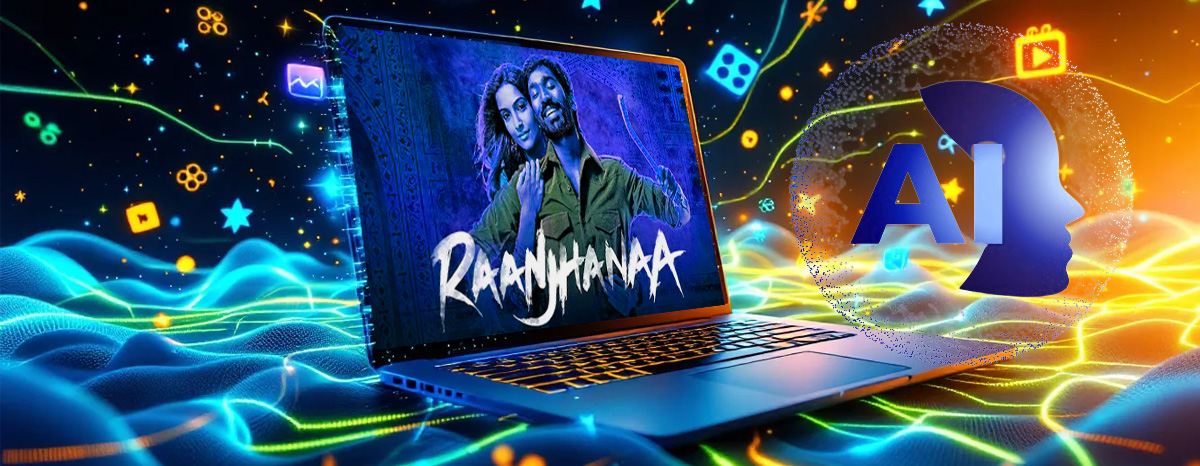
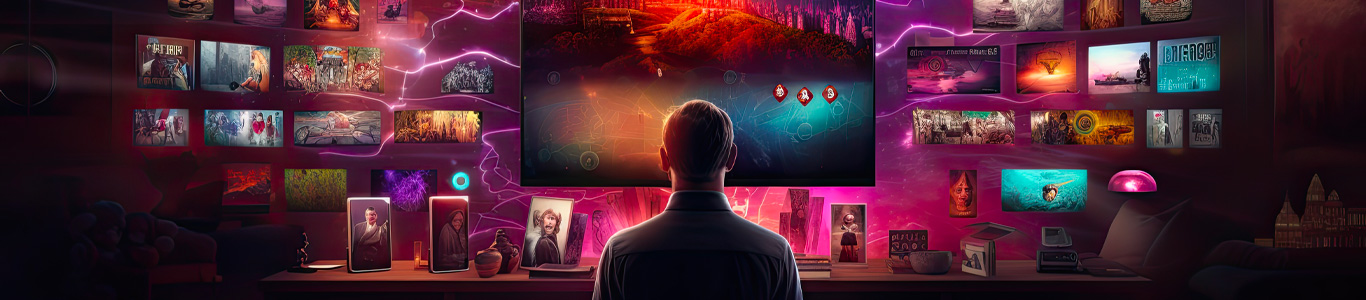
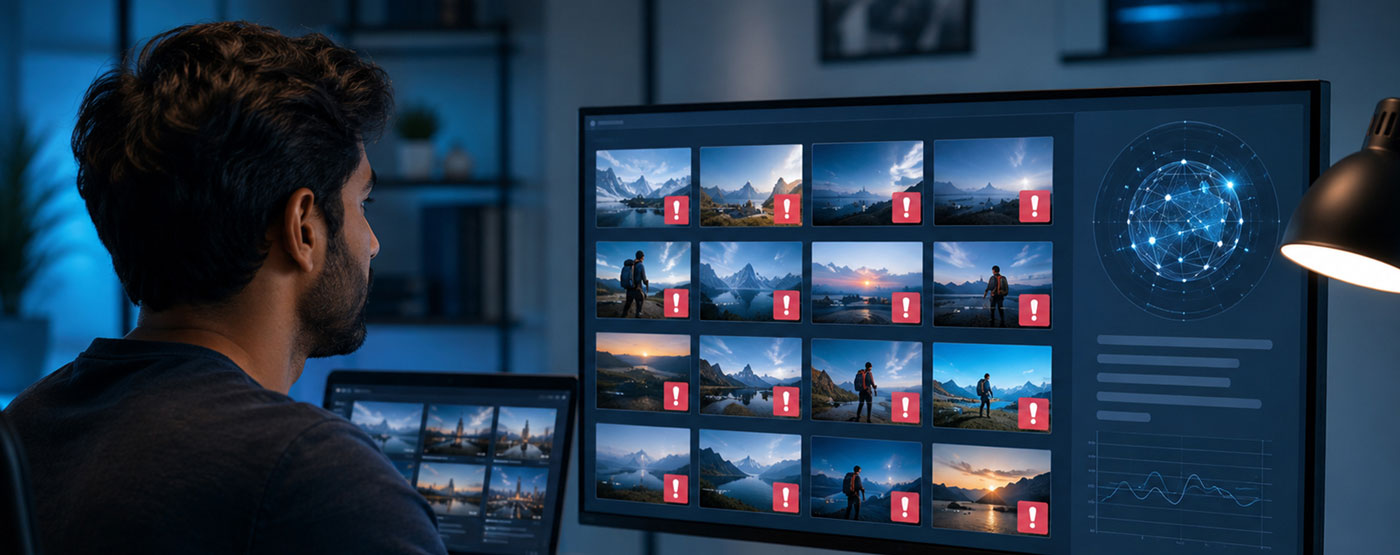
Artificial Intelligence is redefining creativity from generating art and music to crafting hyper-realistic human likenesses. Tools like Google’s Gemini AI, ChatGPT etc., now empower users to create lifelike ai generated images of themselves as alternate personas or alongside global icons. While this fusion of technology and imagination is undeniably captivating, it also opens a Pandora’s box of ethical dilemmas and legal disputes when it comes to personality rights.
The Rise of Digital Doppelgangers
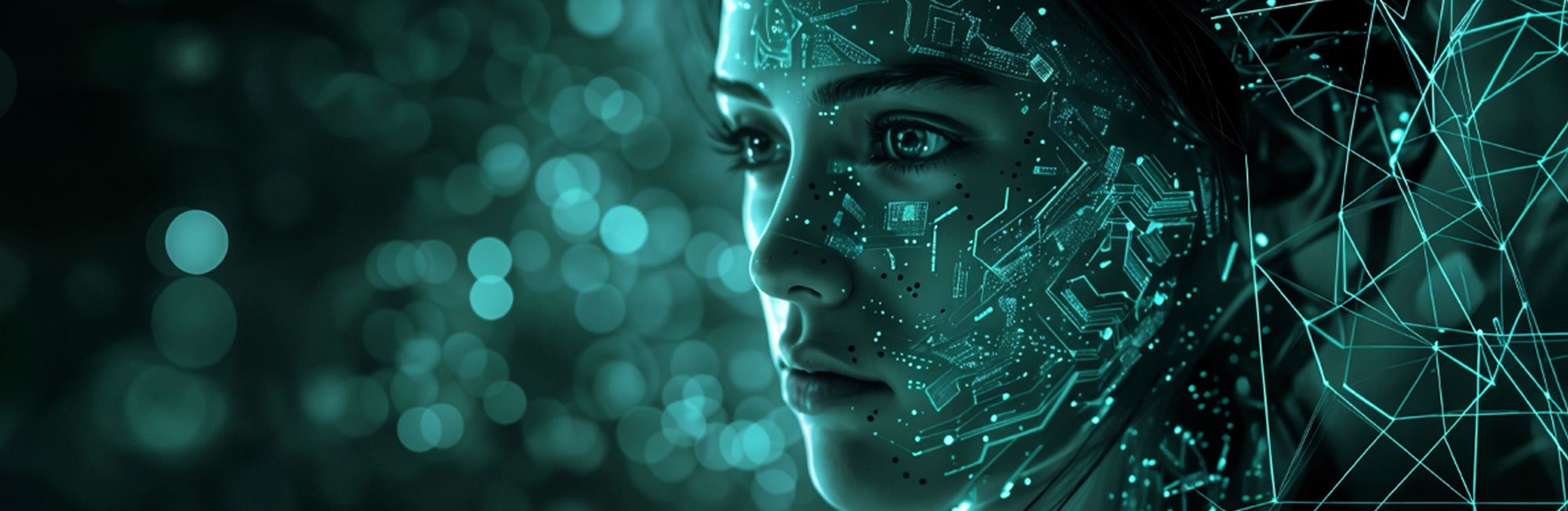
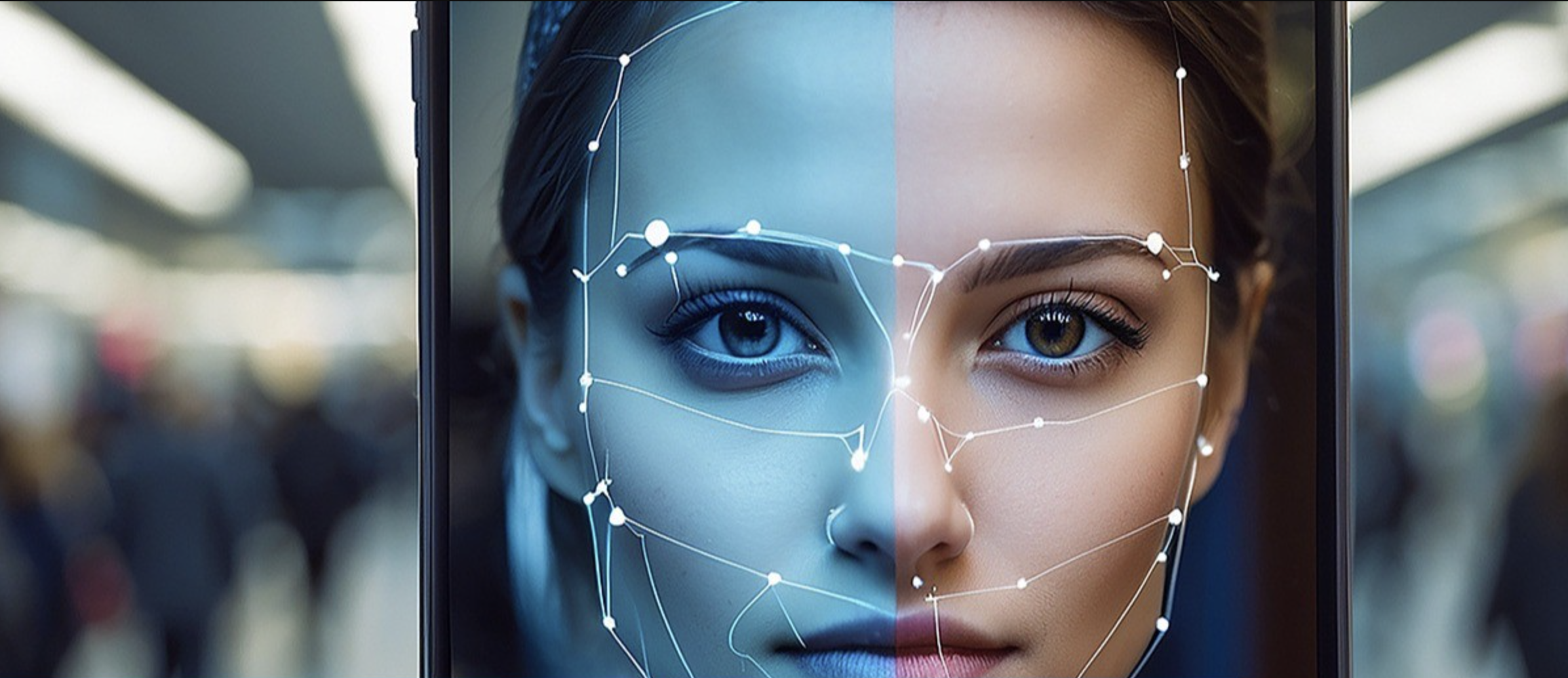
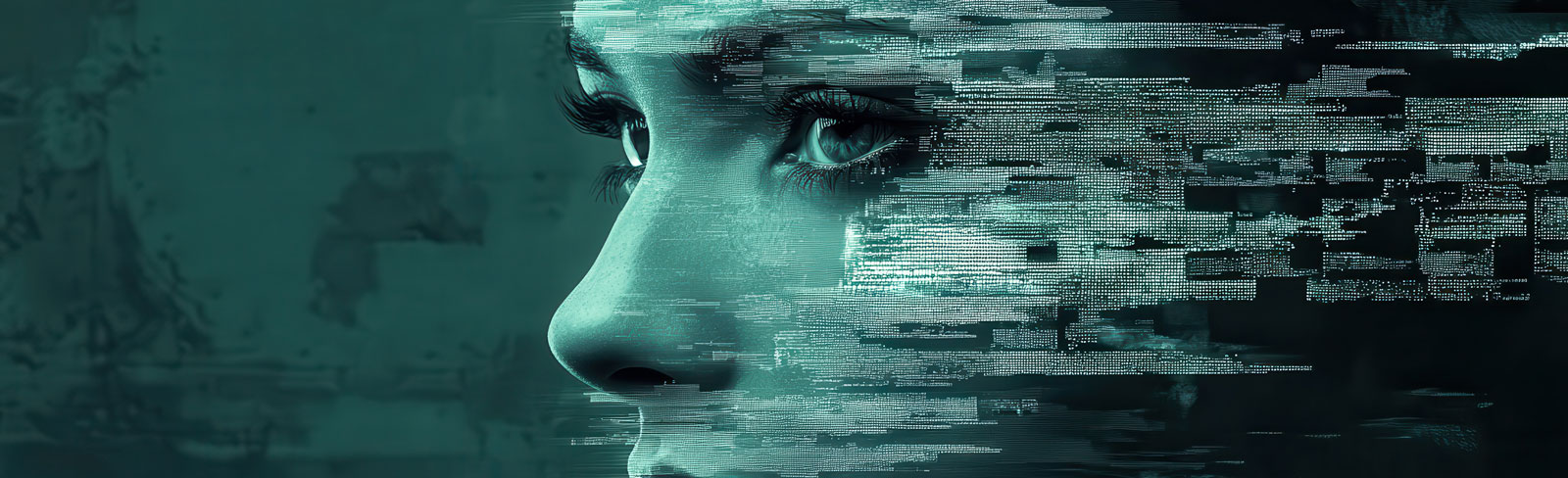
AI generated images blurs the boundary between reality and fiction. These technologies can replicate faces, voices, and gestures so accurately that distinguishing between authentic and synthetic content becomes nearly impossible. However, when such likenesses are used without consent, they can violate what’s known as “personality rights”, an individual’s control over their image, name, or other identifiable attributes.
In jurisdictions where laws lag behind technological progress, this creates a vacuum of accountability. India, for instance, is witnessing a surge of deepfake-related controversies as courts grapple with applying existing intellectual property and privacy principles to this new digital terrain.
Legal Battles: Bollywood and AI-Generated Image Rights
Recent court cases in India spotlight this emerging challenge.
- Aishwarya Rai and Abhishek Bachchan secured interim relief against YouTube for hosting deepfake videos that misused their likenesses without authorization.
- Legendary singer Asha Bhosle obtained a Bombay High Court order restraining AI platforms from cloning her voice and image, with the court affirming that AI voice cloning violates personality rights.
These decisions underscore that unauthorized AI replications harm not just personal dignity and privacy, but also the economic value attached to one’s identity, particularly for public figures whose likeness carries significant brand equity.
The Cost of Creativity
Beyond legality, AI generated images raise pressing ethical questions. Deepfakes and synthetic visuals can easily be weaponized to spread misinformation, manipulate public perception, or damage reputations.
In the absence of clear consent frameworks and traceability mechanisms, individuals remain vulnerable to digital impersonation and exploitation. The emotional and societal fallout from trust erosion to reputational harm is profound.
Global Perspectives: Learning from Denmark
While many nations are still playing catch-up, Denmark recently took a bold step forward. Its new law explicitly recognizes copyright protection for faces and likenesses, granting individuals the power to control how their personal image is used and the right to seek compensation for violations. This move sets a global precedent for balancing creative freedom with personal protection, signalling how forward-thinking legislation can safeguard identity in the AI era.
The Road Ahead: Building Responsible AI Regulation in India
India’s judiciary has shown encouraging intent in protecting individuals against deepfake misuse. However, piecemeal court rulings aren’t enough. What’s urgently needed is comprehensive AI legislation that:
- Defines ownership and consent in AI generated images/ media.
- Establishes liability for misuse by creators, platforms, and distributors.
- Provides clear remedies and enforcement mechanisms for victims.
- Encourages ethical innovation through transparency and accountability mandates.
AI generated images exemplify both the promise and peril of technological creativity. While they can enhance artistic expression and digital storytelling, they also threaten to undermine personal autonomy and public trust when misused.
As India navigates this evolving landscape, a proactive legal framework inspired by both global best practices and indigenous realities will be essential to protect human identity in the age of intelligent machines. If you are looking for an agency to protect your personality rights, contact India’s top personality rights protection agency, BLOCK X. When everything around us is created with direct or indirect support of ai, such protection is critical today. AI generated images need a real do’s and don’t when it comes to privacy. Whether it be a celebrity, or an individual, we will ensure your rights are protected at all times.
Recent Blogs