We are innovative, ambitious and ready for challenges! Hire Us







Privacy Violations in the Surveillance Age: How BLOCK X Protects Against Abuse
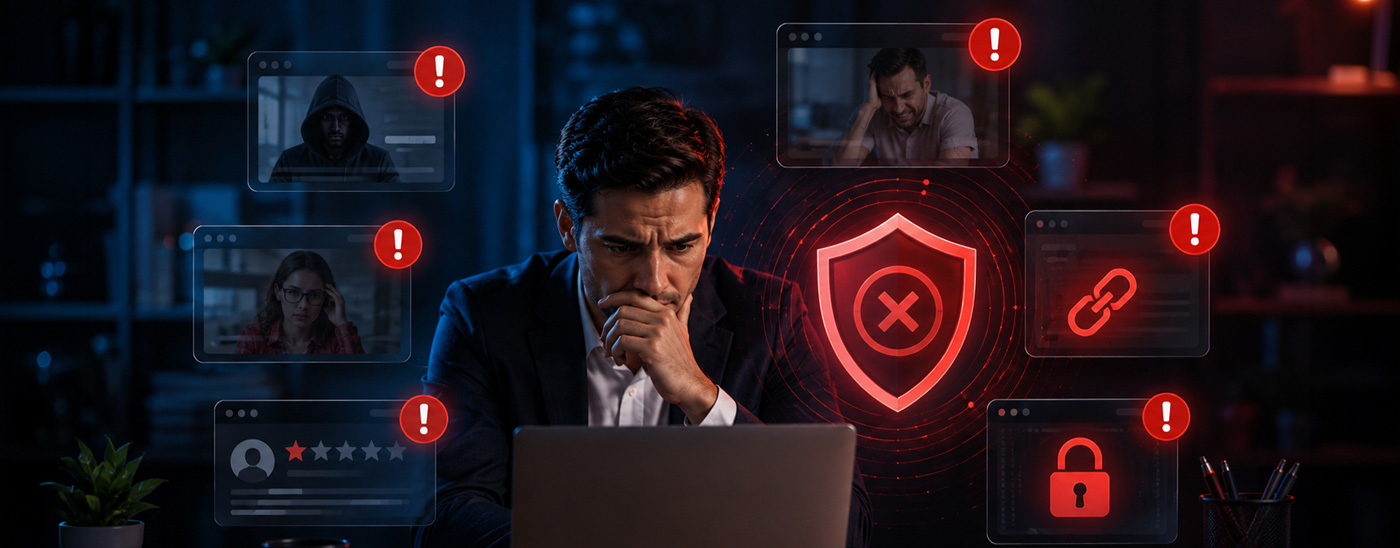
Privacy violations involving video and surveillance systems are no longer hypothetical; they are documented, profitable criminal enterprises that exploit weak technology, lax governance, and gaps in enforcement. From hacked CCTV cameras to covert hidden devices, these violations affect ordinary citizens, institutional users, and organisations alike. Understanding the scenarios, markets, and exploitation channels is critical before evaluating how a specialised technology partner like BLOCK X can mitigate the harms.
How Privacy Is Violated
1. Hacking of CCTV and IP Cameras
A major category of privacy violation today stems from attackers gaining remote access to surveillance cameras and extracting footage, often without any indication to the camera owner or institution.
In India, investigations uncovered a nationwide CCTV hacking racket in which attackers accessed tens of thousands of camera systems nationwide, including hospitals, schools, offices, factories, and private homes by exploiting default or weak credentials. Over nine months, more than 50,000 clips of intimate or sensitive footage were stolen and sold online through social platforms like Telegram and YouTube channels, with clips fetching between Rs 700 and Rs 4,000 each.
In South Korea, authorities arrested four individuals for hacking over 120,000 internet-connected cameras (in homes, businesses, and clinics) to create and sell sexually exploitative material. These incidents are not isolated to one region; they reflect a broader global trend of security camera exploitation and unauthorised access.
2. Hidden Cameras and Covert Recording
Privacy violations also occur when devices are intentionally concealed in private or sensitive spaces:
- Hidden cameras have been discovered in public changing rooms, washrooms, hotel rooms, and other spaces where individuals reasonably expect privacy, leading to arrests in multiple Indian states and sparking public outcry.
- Independent platforms have historically indexed unsecured surveillance cameras globally, allowing anyone to view live feeds from private locations if the video streams were not protected.
3. Secondary Sharing on Public and Dark-Web Channels
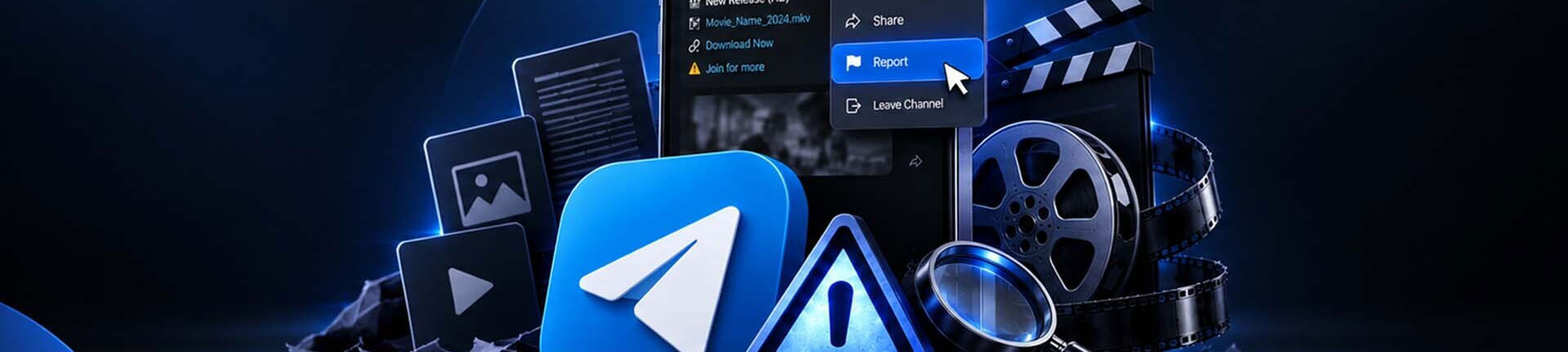
Once video data is exfiltrated, the misuse accelerates. Leaked footage often appears on public video platforms like YouTube, used as promotional material that links to private groups on Telegram where full clips are sold by subscription. Encrypted messaging services and underground forums serve as distribution points, making detection and removal difficult for victims and authorities.
4. Institutional Misuse and Governance Gaps
Surveillance systems deployed without clear governance policies lacking consent mechanisms, transparency, or access controls can inadvertently violate privacy rights, even when not intentionally misused. Examples include uncontrolled camera placement in places without informed consent or legal basis.
The Illicit Market Behind Stolen Video
The economic incentives for privacy violation are real and organised:
- Monetisation Models: Stolen footage is marketed through teaser clips and QR-coded access, funneling paying subscribers to encrypted or private channels.
- Pricing Structures: Individual clips are sold for fixed prices (e.g., Rs 700–Rs 4,000) or as part of subscription services offering access to large archives or live feeds.
- International Networks: Investigations have found evidence of coordination with hackers abroad, VPN use to mask origins, and dissemination on foreign fetish and porn sites.
This marketplace dehumanises victims and transforms private moments into commodities, profiting from privacy violation at scale.
Privacy Violation: Consequences and Risks
Violations of this nature cause layered harm:
- Individual Trauma: Victims face emotional distress, reputational damage, and long-term psychological impact when intimate footage becomes public or circulates in closed groups.
- Institutional Liability: Organisations that collect surveillance footage may face legal penalties, regulatory sanctions, and loss of public trust if data governance and security are inadequate.
- Security Cascades: A single weak camera credential or unsecured network can expose entire systems and propagate further breaches.
The Kerala CCTV Case: A Snapshot of a Larger Privacy Crisis
The Kerala incident, where movie theatre CCTV footage was illegally extracted and sold online as soft porn, is a clear example of how surveillance systems meant for public safety can be weaponised against citizens. Ordinary moviegoers, unaware they were being recorded beyond security purposes, had their private moments repackaged, monetised, and circulated through messaging platforms. The question of fairness in having private moments at public places is a debatable point but here, let us focus on the privacy violation part alone.
The case exposed critical gaps in access control, oversight, and post-capture governance of CCTV systems, and demonstrated how even legally installed cameras can become tools of exploitation when footage falls into the wrong hands. Rather than being an isolated event, the Kerala case reflects a broader, systemic failure in how surveillance data is protected and monitored across institutions.
How BLOCK X Can Help
Privacy violations involving video surveillance are not fringe concerns, they are systematic, profitable, and deeply harmful. From hacked CCTV feeds sold on Telegram to hidden cameras in private spaces, the technology that was intended to protect can become an instrument of exploitation.
BLOCK X goes beyond traditional anti-piracy by directly addressing the illegal circulation of sensitive and private video content. By offering a techno-legal approach in this effort, BLOCK X provides detection, enforcement, and reporting mechanisms that transform reactive incident response into proactive prevention, safeguarding your privacy in digital spaces.
To know more about our services, and how we can protect privacy violations, contact us.
Recent Blogs