We are innovative, ambitious and ready for challenges! Hire Us




When a Common Man’s Face Becomes Fodder for AI Images: What You Need to Know
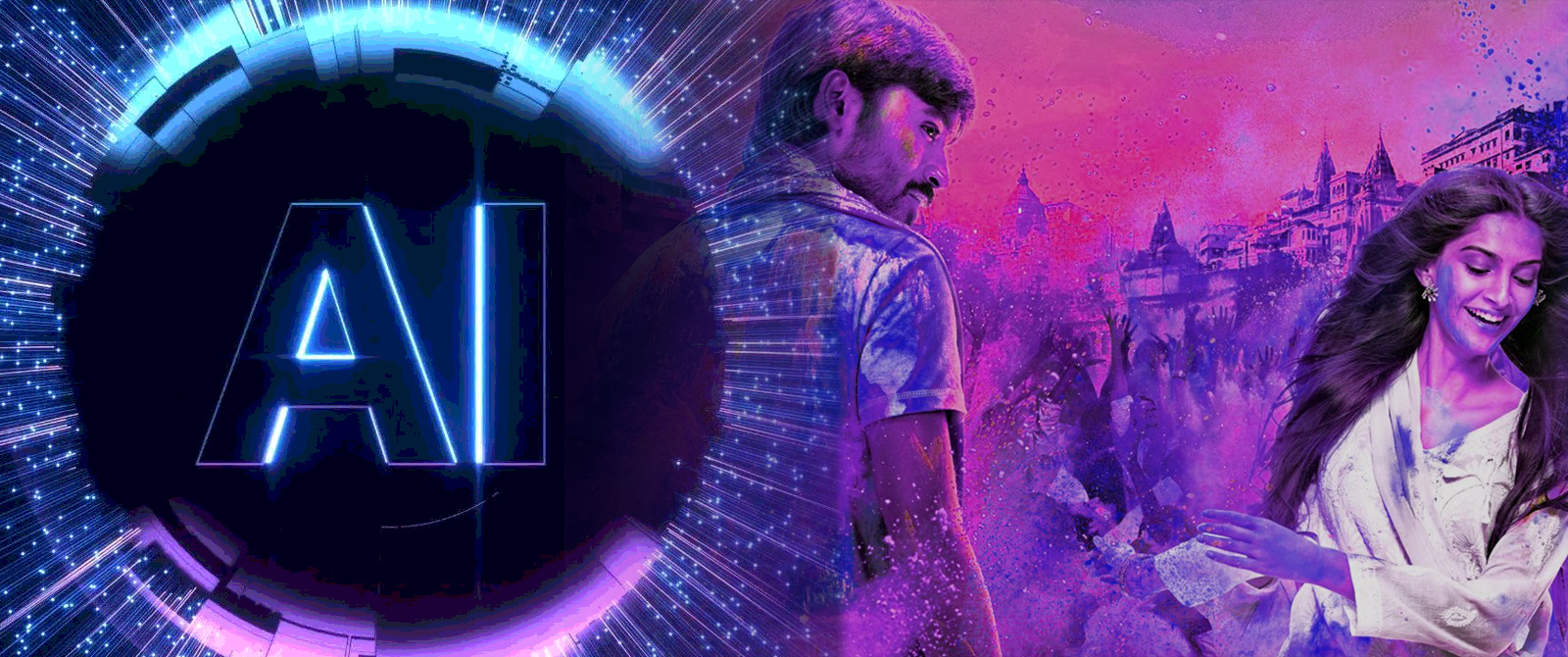
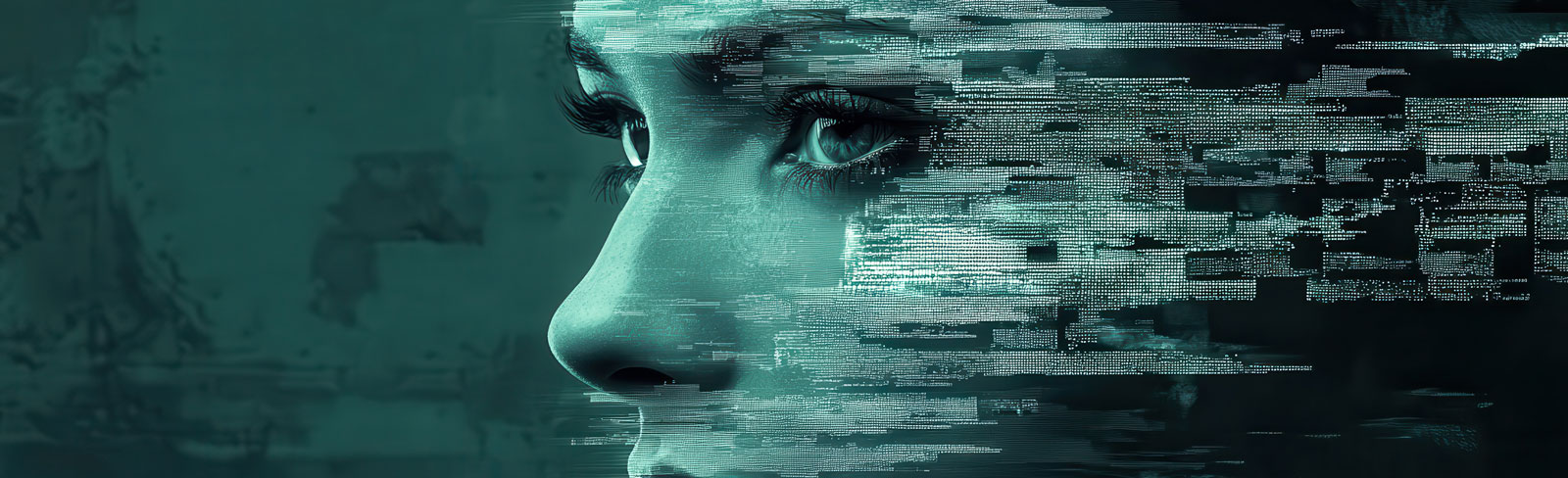
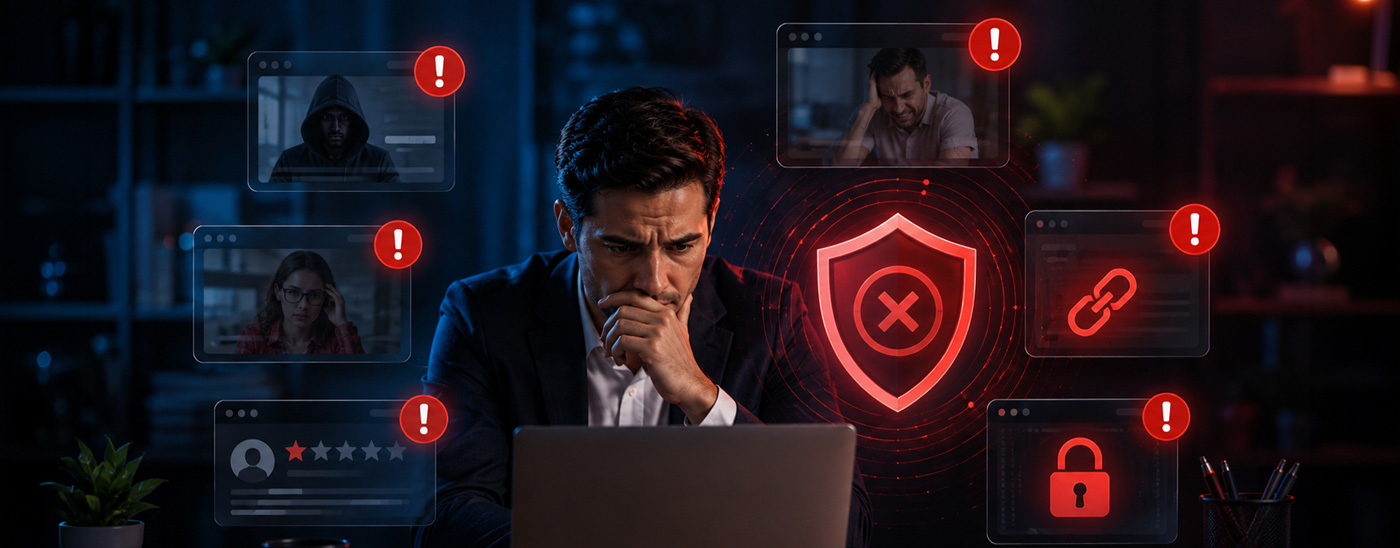
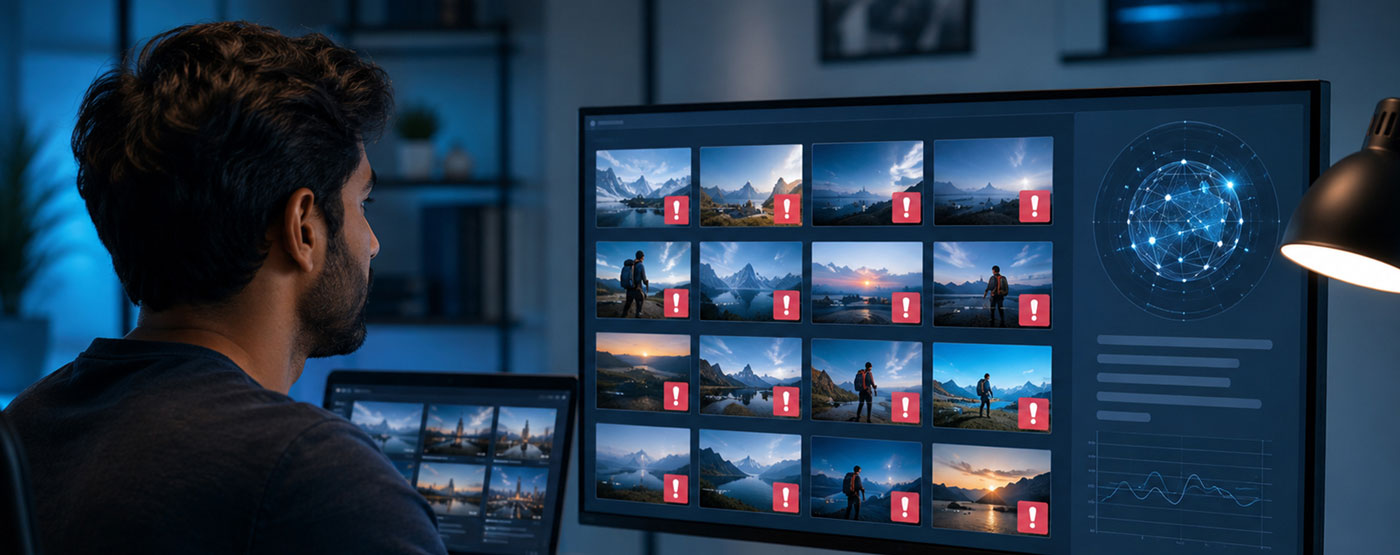
Imagine discovering AI images or videos of you circulating online without your consent. Scary, right? Whether it’s shared on social media, sold as merchandise, or used to falsely endorse a product, this isn’t just a tech quirk, it impacts your privacy, dignity, reputation, and identity.
You might think that because you’re not a celebrity, your protections are limited. Not true. While high-profile cases make headlines, Indian law and best practices apply to everyone. Here’s how you can act and how strong the legal framework is today when it comes to AI’s use of images that might look similar to you. Here is India’s top anti-piracy and techno-legal company, providing insights on this scenario of AI images’ usage.
Step-by-Step: Protecting Yourself from AI Misuse
1. Preserve Digital Evidence Immediately
- Take screenshots, note URLs, dates, times, and platforms.
- Download or archive AI-generated content- AI images here, preserving metadata.
- Keep original images/videos for comparison.
Why: Once content is deleted or re-uploaded, proving misuse becomes harder.
2. Identify Unauthorized Use
- Show that the AI-generated content uses your face, body, or distinctive likeness without permission.
- Experts can help analyze metadata or compare AI outputs with your originals.
- Document when/where you did not consent.
Goal: Prove that someone used your likeness without authorization.
3. Demonstrate Harm
- Ask: Does this violate your privacy? Harm your dignity, reputation, or autonomy?
- Collect evidence of harm: fake endorsements, obscene portrayals, or misleading images.
- Save correspondence and comments showing misuse.
Why: Courts weigh the actual or potential harm when deciding cases.
4. Report to Cybercrime/Police
- File complaints via the National Cyber Crime Reporting Portal or local cybercrime cells or contact any efficient anti-piracy company
- Provide all evidence and identify platforms/accounts if possible.
Tip: A well-documented complaint improves your chances of meaningful action.
5. Use Platform Takedown Procedures
- Social media platforms and hosting sites have policies against impersonation and non-consensual content.
- Submit takedown requests citing your lack of consent and evidence. If you are looking for priority takedown of content online, contact an anti-piracy company.
6. Legal Notices & Court Action
- Lawyers or anti-piracy companies with in-house legal teams can send cease-and-desist notices or file civil suits seeking injunctions and damages.
- Indian law allows you to invoke:
7. Expert Forensics
- Digital forensics can trace IPs, timestamps, technical footprints, and training-data origins. This could be obtained with the help of a technical expert or an anti-piracy company.
How Strong Is the Law in India for AI Images?
Right to Privacy: Article 21 protects personal liberty, dignity, and autonomy. Courts accept that misuse of one’s image or likeness falls here.
Personality/Publicity Rights: Recognized by courts, especially for commercial misuse.
Celebrity Cases as Precedents:
- Aishwarya Rai Bachchan: Relief against AI-generated intimate images and false endorsements.
- Asha Bhosle: Interim protection against AI voice cloning and image misuse.
- Suniel Shetty: AI images of him and his family deemed a violation of privacy and dignity.
These rulings indicate that courts are willing to act even without a dedicated statute, using constitutional rights, torts, and intellectual property law. It is a sad reality that protections are stronger for public figures; private individuals must preserve evidence and show harm. Also the complications are high when it comes to proving AI training misuse is technically and legally complex. AI misuse of your image isn’t harmless- timely action, awareness, and legal recourse can protect your digital identity. Courts are increasingly willing to safeguard privacy and personality rights when it comes to AI images, making it clear: whether celebrity or common person, your likeness belongs to you. So next time you have this fear of AI misuse, you know what to do next.
To know how our services can protect you from AI images’ misuse and safeguard your personality rights, contact us.
Recent Blogs