We are innovative, ambitious and ready for challenges! Hire Us






Anime and Manga Piracy Is on the Rise: What We Can Do About It?
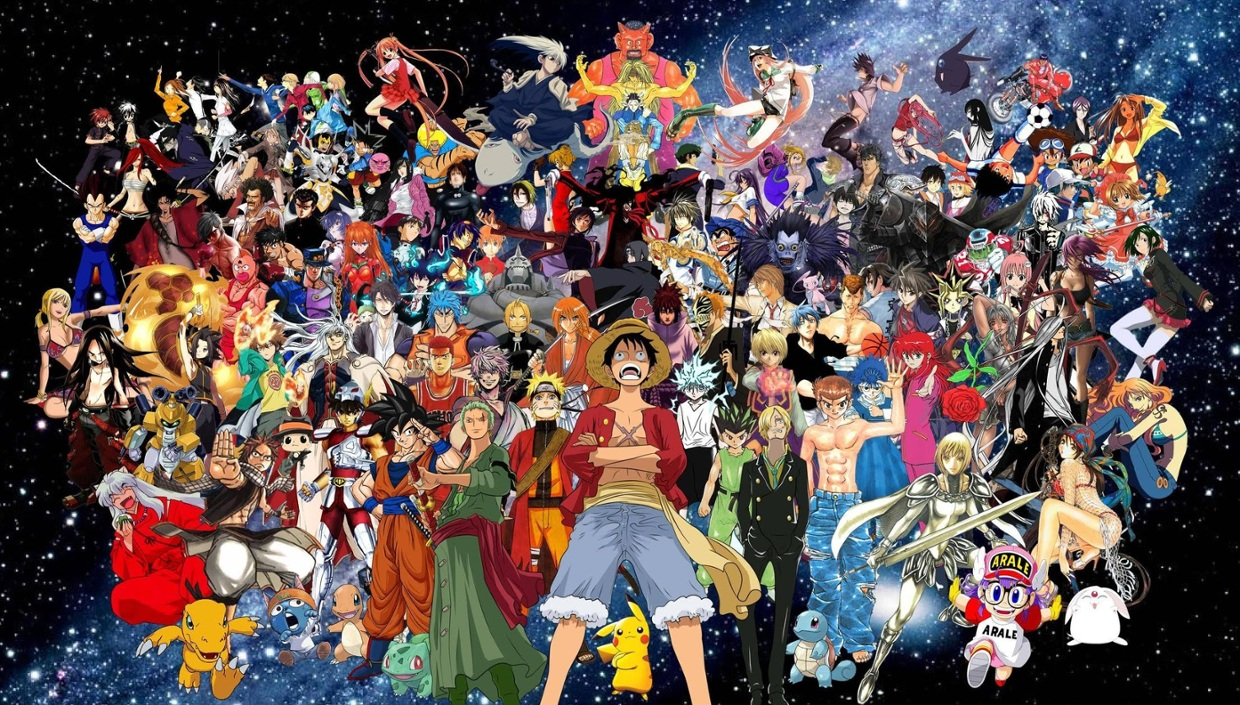
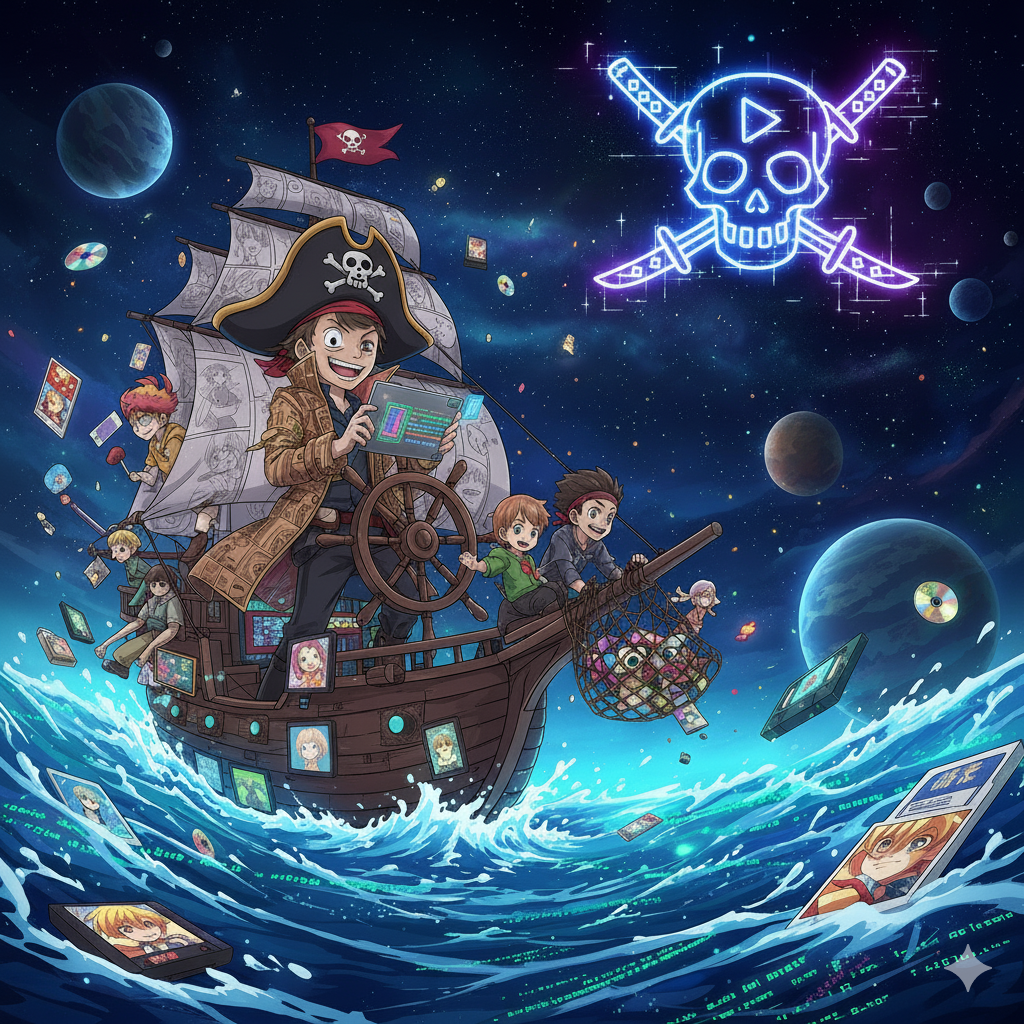
Anime and manga aren’t just entertainment, they’re culture today and so does the Anime & Manga piracy rise day by day. They’re the worlds that the fans escape into; their stories shape identities, and the art form connects millions across borders. But there’s a growing shadow over this vibrant community: piracy.
At BLOCK X, we study piracy patterns every single day. And when it comes to anime and manga piracy, the reasons behind the rising tide of illegal consumption are more complex than just “people don’t want to pay.” Here is BLOCK X, top anti-piracy company, specialized in anime and manga anti-piracy efforts, breaking it down for you.
1. Paywall Fatigue
We all can imagine how frustrated the anime fans are. There are scenarios where one show is on Crunchyroll, another on Netflix, and the spin-off? Buried in Disney+. This might put the user in a situation where they do not want to juggle five subscriptions just to follow one story. Piracy steps in as the “one-stop shop”. No matter what malware comes along, fans are ready to enjoy that convenience, which is dangerous.
2. Region Locks & Delays
Why should fans in India or Brazil wait weeks while others get instant access to new anime? Delayed releases and region locks don’t just frustrate audiences but they push them toward piracy. This hurts creators, weakens the industry, and lets illegal platforms profit. A global, same-time release is the only way to protect both fans and the future of anime.
3. The Translation Gap
When manga never receive official translations in languages like English, Spanish, French, or Hindi, fans are left with no legal option. Pirates fill this gap, but at a cost; creators earn nothing, quality is compromised, and the legal ecosystem loses ground.
4. Manga Costs Outside Japan
In Europe or Latin America, a single manga volume can cost three times more than in Tokyo. Add shipping, and it becomes inaccessible for many fans. This pricing gap drives readers to piracy, which may look like a “free library,” but in reality, it strips revenue from creators and undermines the industry’s sustainability.
5. Simulcast Gaps
When fans can’t watch new episodes alongside the world, excitement fades quickly. Meanwhile, unauthorised dubbed videos and subtitles exploit the gap with hurting official platforms, draining hype, and taking away the creators’ chance to benefit from their own success.
6. Limited Legal Access
In much of Asia, Africa, and Latin America, official anime streaming isn’t even available. This leaves fans with two bad choices: piracy, which robs creators and platforms of revenue, or missing out entirely, stunting the industry’s true global reach, even when they are willing to legally pay for the subscription.
7. High-Quality Piracy Platforms
The uncomfortable truth is that many pirate sites run smoother than legal ones with fewer ads, faster updates, HD quality, and subtitles in multiple languages. When official platforms fail to match this experience, fans drift toward piracy, leaving creators unpaid and the industry weakened. Just like how Crunchyroll began as a fan-run site and transformed into a legal, licensed platform, production houses can partner with or absorb existing communities to provide a legal alternative.
8. Loyalty to Creators, Not Platforms
Many fans justify piracy by saying, “I buy the merch, so streaming illegally doesn’t hurt.” But this is misleading. Merch sales rarely replace the lost revenue from streaming rights, licensing, and subscriptions. This narrative gives piracy a free pass, while creators, studios, and the industry lose out.
9. Community Culture
Anime and manga fandoms thrive on sharing, from memes to fan art to recommendations. But when that passion slips into pirated uploads or fan subs, piracy gets normalized under the guise of community spirit. What feels like supporting the fandom actually undermines the creators who make it possible.
10. Weak Enforcement
Piracy sites play whack-a-mole with law enforcement. Many operate offshore, beyond the reach of DMCA takedowns. The lack of strong international enforcement lets these sites survive and thrive while creators and studios keep losing. Strong anti-piracy companies like BLOCK X can help with ensuring anime and manga piracy is curbed in the beginning.
What’s the Fix for Anime and Manga Piracy?
Anime and manga piracy isn’t going away overnight. But the industry can fight back against anime and manga piracy by onboarding efficient anti-piracy companies like BLOCK X:
- Simplifying access: One show, one subscription, one click.
- Global releases: Fans everywhere deserve the same experience, at the same time.
- Affordable pricing: Especially in regions where the current cost is unattainable.
- Stronger enforcement: Closing the gap between illegal platforms and official ones.
- Fans-first innovation: Legal platforms must feel as smooth, fast, and community-driven as pirate sites.
At BLOCK X, we believe that working against anime and manga piracy isn’t just about DMCA takedowns but it’s about protecting the culture, the creators, and the fans who make it thrive.
Piracy may feel like a shortcut, but every illegal stream chips away at the industry’s ability to tell more stories, pay more artists, and grow the worlds we all love. So next time when you hit “play” or “download” on an illegal site, ask yourself: Am I helping the community or hurting the very creators I admire?
To protect your content from anime and manga piracy, contact us.
Recent Blogs