We are innovative, ambitious and ready for challenges! Hire Us





AI Abuse Against Women: The Fight for Digital Privacy
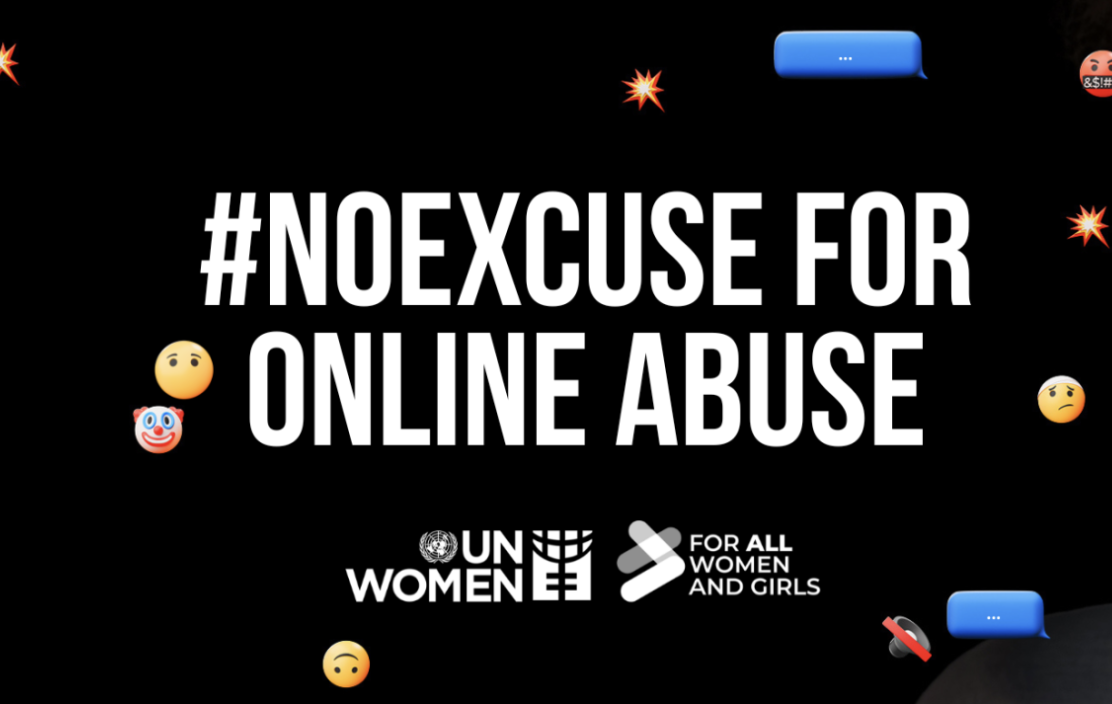
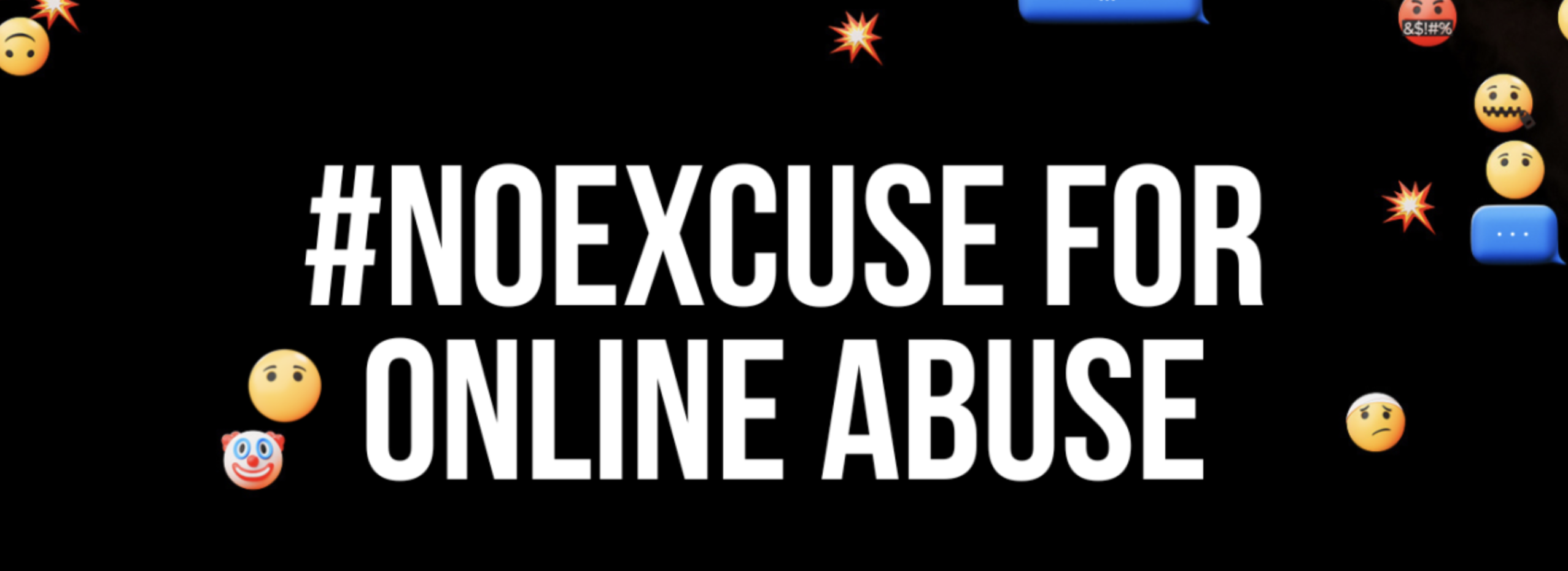
When UN Women launched its recent global campaign spotlighting technology-facilitated and AI abuse against women and girls, the message was clear: the world is entering a new era of abuse and AI is accelerating this AI abuse. The campaign urges governments, tech companies, institutions, and citizens to recognise that online gender-based violence is not “virtual harm”, it is real harm, with real-world consequences. As advocates for safer digital spaces, BLOCK X stands with the campaign by UN Women to address and eliminate online abuse. The campaign runs from November 25 to December 10 and, for 2025, the theme is “UNiTE to End Digital Violence against All Women and Girls”. It aims to address the growing problem of online harassment, cyberstalking, deepfakes, and other forms of technology-facilitated gender-based violence.
As UN Women puts it, the rapid growth of artificial intelligence has created a perfect storm: tools that once required skill and expertise are now widely available, easy to use, and almost impossible to trace, enabling abuse at a scale never seen before.
And women are paying the price.
When Technology Becomes a Weapon
Technology has always been a double-edged sword. While it connects us, it also exposes us. Digital abuse, or technology-facilitated violence, includes behaviours aimed at intimidating, controlling, humiliating, or violating someone and AI has supercharged those behaviours.
Today, abuse is no longer limited to messages or harassment, it includes:
- AI-generated deepfake pornography
- Impersonation at scale through AI-powered chatbots
- Automated stalking and surveillance
- Hyper-personalised blackmail and extortion
- Data-driven doxxing and psychological targeting
Research shows that 90–95% of deepfake content online is non-consensual sexual imagery, and over 98% of victims are women. In just four years, deepfake content grew by 550%, with little legal protection or accountability.
The Myth of the “Online-Only” Problem
A major reason AI-enabled digital abuse continues unchecked is the lingering belief that what happens online is less serious than what happens in the physical world. For too long, society has treated harassment, deepfakes, non-consensual image sharing, and surveillance as temporary, virtual, or harmless.
But as feminist activist Laura Bates reminds us, “the online–offline divide is an illusion.”
Online abuse doesn’t stay behind a screen, it impacts mental health, professional credibility, relationships, physical safety, freedom of expression, and a woman’s ability to participate in digital spaces.
This is why so many women step back from the internet, not because they lack confidence, but because they lack protection.
Why Women Are Targeted
AI-powered abuse isn’t accidental, it follows existing patterns of inequality. AI abuse systems learn from the data they are trained on, and much of the internet reflects entrenched gender biases, the sexualisation of women, unequal power structures, and a culture that normalises misogyny.
When these systems are paired with easy-to-use AI abuse tools, this becomes effortless. A stranger, former partner, peer, or coordinated group can generate explicit deepfake content in minutes, and distribute it globally.
No technical skill is required. No identity needs to be revealed. No consequences are expected. This combination of societal bias and frictionless technology is what makes AI-driven abuse uniquely dangerous.
Privacy Rights: The Line AI Crosses with AI Abuse
At its core, AI-powered online abuse is not just harassment, it is a violation of fundamental privacy rights. It targets a woman’s autonomy, agency, identity, and consent.
Women have the right to control their digital likeness, decide how their images and data are used, and engage online without being monitored, manipulated, or threatened.
When AI abuse takes away consent, whether through deepfakes, impersonation, surveillance, or data exploitation, the harm becomes multidimensional. It shifts from emotional distress to legal, social, professional, political, and economic damage.
Digital safety is not optional, it is a human right. And protecting women’s privacy is at the centre of this fight.
A Safer Digital Space Is Possible
AI has the power to transform industries, amplify creativity, and reshape the future, but without accountability, it can also become a silent weapon used to harass, exploit, and silence women.
UN Women’s recent campaign reinforces a critical truth against AI abuse: digital safety is a right, not a privilege. Every woman should be able to exist online confidently to work, speak, express, and build without fear of surveillance, impersonation, harassment, or deepfake abuse.
This isn’t just a technology issue, it’s a safety issue, a rights issue, and a justice issue.
At BLOCK X, we’re turning that message into action.
Our mission is to help women reclaim control over their digital presence by:
- Detecting abusive and non-consensual content across platforms
- Rapidly initiating takedown requests to hosting sites, search engines, and social platforms
- Blocking re-uploads using advanced digital fingerprinting
- Providing safe reporting pathways and evidence collection support
- Partnering with law enforcement and legal teams when escalation is required
Whether it’s a deepfake, stolen image, fake account, harassment campaign, or leaked private content, we don’t just monitor. We intervene. We remove. We’ve recently removed training data from AI for a client whose images were used to create AI abuse images and defied privacy and personality rights.
Because no woman should ever have to decide between being online and being safe. With the right technology, policy, and response systems, she shouldn’t have to choose at all.
Contact us to get help.
Recent Blogs