We are innovative, ambitious and ready for challenges! Hire Us





How Pirated Courses Can Damage an EdTech Brand’s Reputation
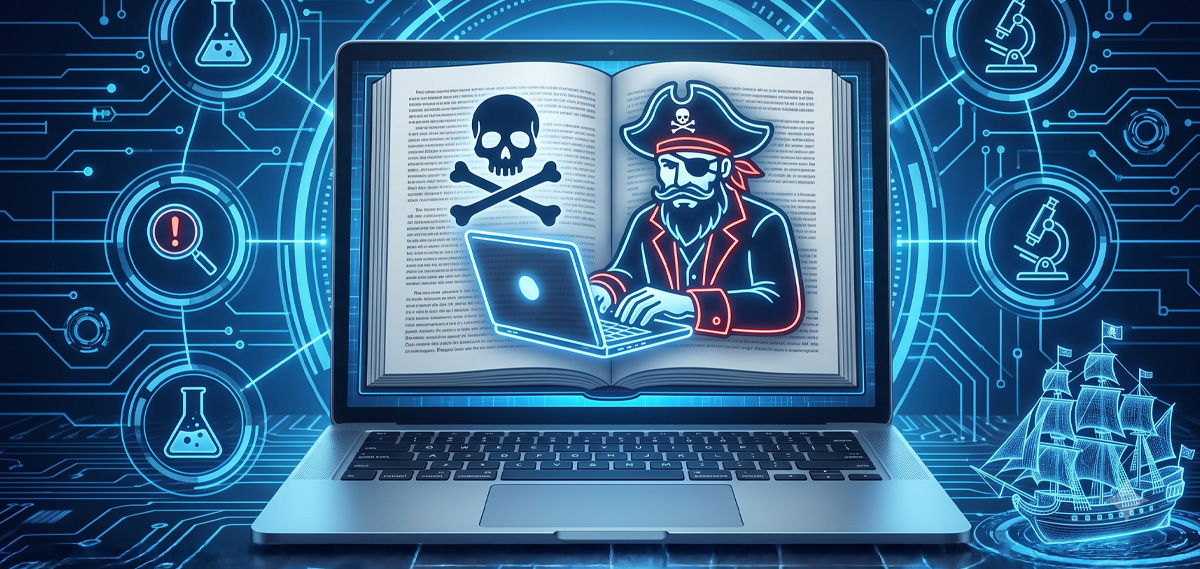
Indian EdTech companies invest a lot in creating learning modules, valuable educational materials, and real-exam-like assessments. But the huge challenge they face is in protecting their content from piracy. While unauthorized course sharing might seem to be a revenue loss problem, in fact, it’s silently causing several reputational damage that affects brand trust!
No matter what the course is, either competitive exam preparation or professional skill development, online learning platforms have everything covered. But the growing popularity comes with a challenge that is not so easy to handle.
Pirated educational content causes issues like,
- Weakening learner trust
- Reducing the value of premium courses
- Affecting a brand’s reputation and so on
In this blog, let us understand more about this in-depth!
Understanding Course Piracy in EdTech
Unlike the piracy that happens in the entertainment industry, EdTech piracy frequently involves activities like
- Credential sharing
- Screen-recorded lectures
- Downloadable PDFs
- Test banks
- Batch-specific learning materials
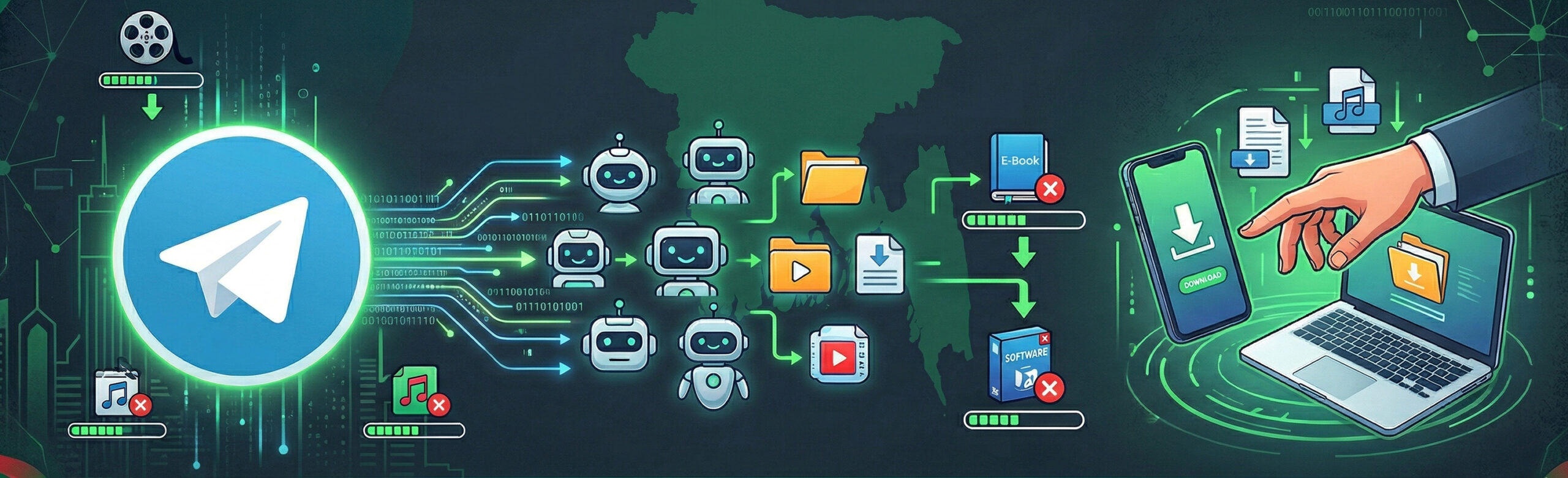
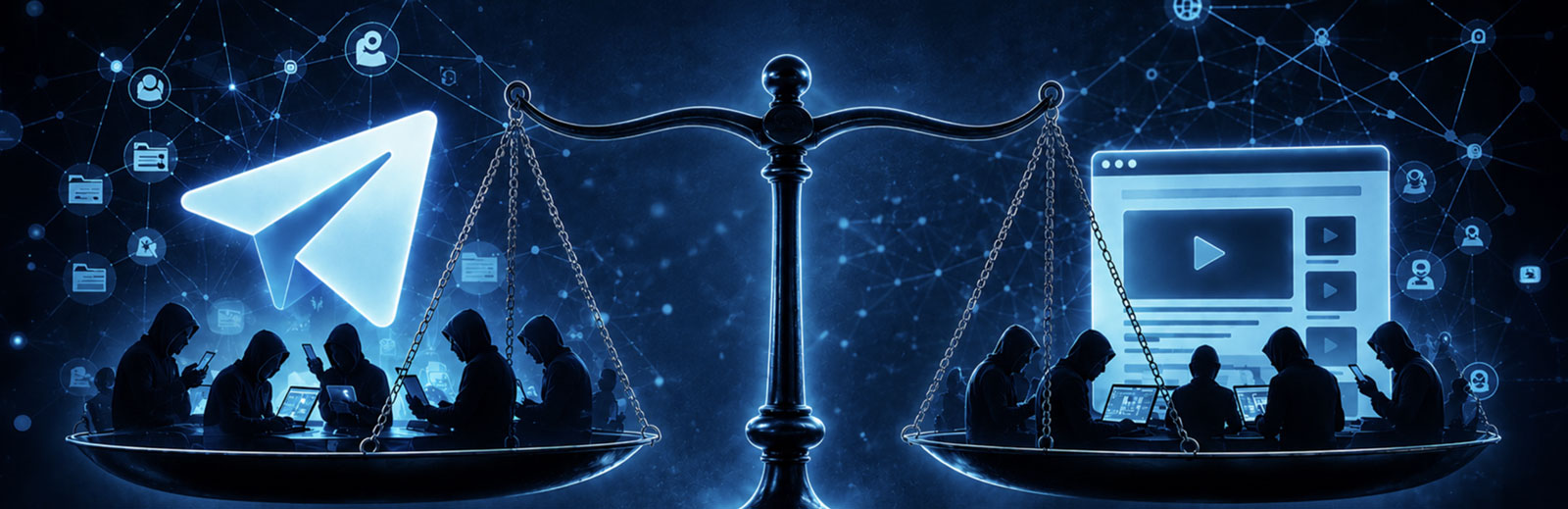
These materials are widely shared through encrypted communities like Telegram.
In the Indian EdTech context, pirated courses are distributed through various means,
- Telegram channels
- Cloud storage links (Google Drive, Dropbox, Mega, etc.)
- Dedicated piracy websites hosting course content
- Unauthorized reseller networks that sell copied course access at a discounted price through social media and messaging apps.
- Private communities on platforms such as WhatsApp and Discord, where pirated course materials are circulated to the group members.
Piracy methods often include credential sharing, downloadable study materials and test PDFs, screen-recorded lectures, and much more.
And the speed at which the content spreads makes the situation even worse. A single leaked account can rapidly reach hundreds or thousands of learners through Telegram communities in no time.
As a result, Indian EdTech companies often struggle to control their leaked content. Apart from the financial loss that happens due to piracy, the damage to brand reputation is something substantial.
4 Ways Pirated Courses Damage an EdTech Brand’s Reputation
Poor Learning Experiences Reflect on the Brand
One of the major risks of course piracy is that learners will associate the quality of pirated content with the original provider. Pirated content is mostly incomplete, outdated, or at times even a blank screen.
And the important modules might also be missing, as video quality may be reduced, and supporting materials may not be there. Students who access this pirated content may land on the assumption that the original course lacks quality.
This poses a very serious challenge for online learning platforms! Even though the platform has no control over the pirated content, it will still affect the way learners perceive the brand.
Apart from the platform’s reputation, piracy can excessively harm the credibility of instructors. Whenever learners come across incomplete modules or poor video quality, they might think that the instructor has delivered low-quality content. And as a result, educators may lose the trust of students, which they have established through years of hard work.
In most of the cases, students are not at all aware that they are consuming an incomplete/altered version of the course. This will cause them to form unfair opinions about the provider!
Loss of Learner Trust
Trust is something that is hard to gain, once it is lost!
And it is the most valuable asset for any EdTech business. Students are investing not only their money but also their time, hoping for a better future upon enrolling in their desired course.
When educational content piracy becomes widespread, learners might start questioning how secure a platform protects its content. And frequent leaks can create concerns about a platform’s content security.
In India’s competitive online education market, and that too especially after COVID-19, trust plays a key role in not only attracting but also retaining learners.
A damaged reputation can influence purchasing decisions and can even lead students to choose a better, more secure platform.
Piracy Dilutes the Exclusivity of Premium Learning
Premium online courses are often positioned as a source of exclusive learning experiences that offer,
- Expert guidance
- Structured learning paths and
- Valuable resources
However, when the same content becomes easily available through pirated sites, then it erodes the perceived value! Students will start questioning why they should spend thousands of rupees buying a course when its pirated versions are readily available! This shift in perception makes it difficult for EdTech brands to justify premium pricing and maintain their position in the highly competitive market.
Negative Word-of-Mouth and Online Perception
Today’s learners are mostly Gen Z, and they have the habit of readily sharing their experiences online, via social media. If the review is positive, then it will strengthen the brand’s reputation, but what if it is negative? And negative feedback tends to spread much faster than positive ones.
Whenever students encounter issues with pirated content, they may voice their frustrations online, without realising that the content was unauthorized. And certain complaints influence how others perceive the brand, such as,
- Missing lessons
- Poor video quality
- Outdated materials
- Missing assessments and so on.
Additionally, learners who rely on pirated courses often receive incomplete content or missing modules. This can disrupt their learning journey and can even result in lower course completion rates.
This negative word-of-mouth can heavily damage the education sector, where recommendations influence enrollment decisions!
Why Is Content Protection Essential for EdTech Brands?
As course piracy continues to grow, EdTech content protection is no longer an option, but it is a business necessity. Certain measures can help platforms effectively reduce unauthorized distribution and maintain great control over their content, such as,
- Digital Rights Management (DRM)
- Dynamic watermarking
- Access controls
- Piracy monitoring and much more
These measures effectively protect the trust among the audience, which brands work for years to gain.
End Note
In India, online course piracy is more than just a copyright issue, it is a brand reputation challenge! Apart from the revenue loss, preserving reputation matters the most. And EdTech companies can achieve this by concentrating on content protection.
Looking for ways to safeguard your online courses? Contact BLOCKX to explore effective content protection solutions specially crafted for EdTech platforms.
Recent Blogs