We are innovative, ambitious and ready for challenges! Hire Us





What to Do If Someone Reuploads Your Content Without Permission
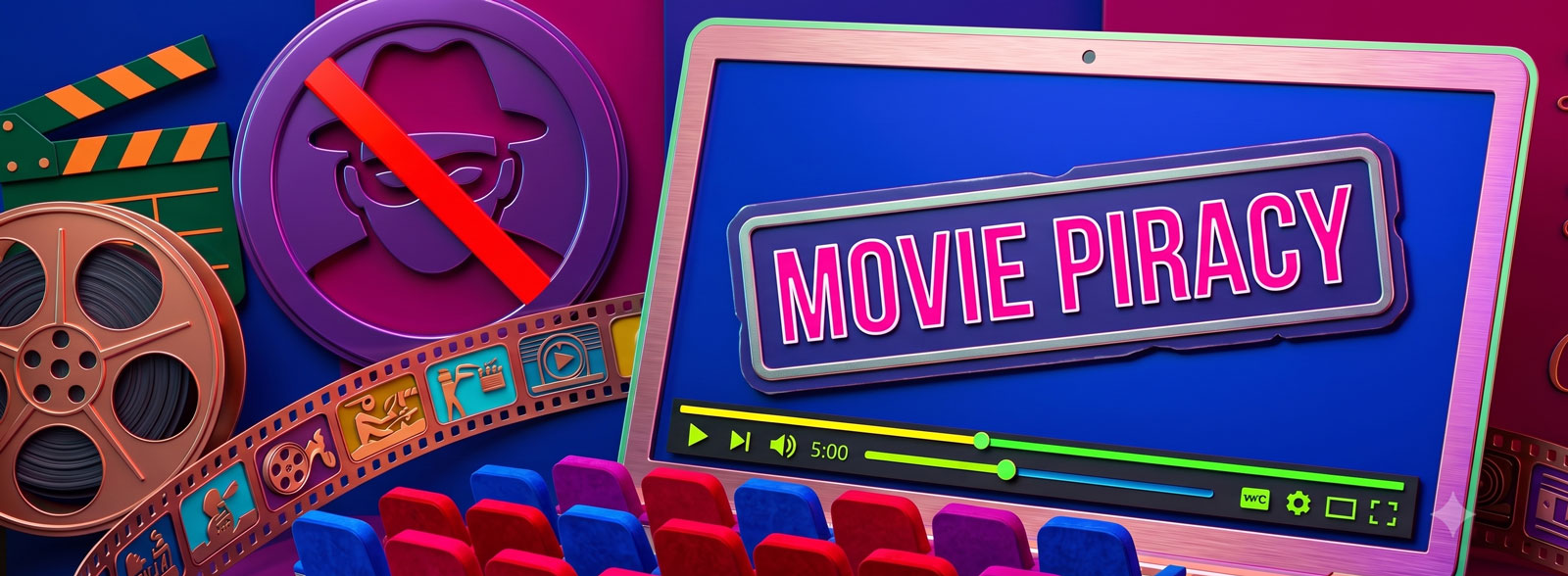
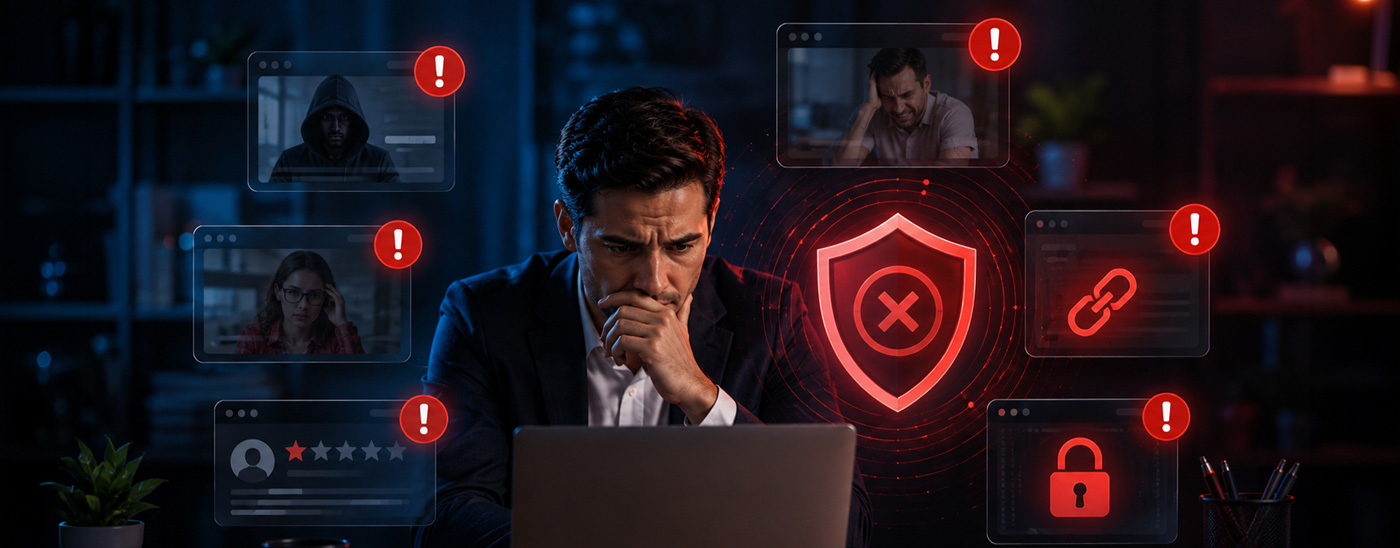
Copyright infringement can happen within minutes when original content is copied and reuploaded without permission. Videos, courses, ebooks, and other types of content can quickly surface on pirated websites, social media accounts, and messaging platforms. These unauthorised reuploads can lead to severe revenue loss, cause confusion among the audience, and affect brand reputation. So, content owners need to respond quickly with a proper enforcement process.
1. Verify the Unauthorised Reupload
Before taking action, confirm that the content belongs to you. Compare the original version with the copied one to confirm that the content has been copied. Check whether the uploader has permission or a license to use the content. Establishing ownership and confirming the infringement helps prevent incorrect complaints and provides a clear basis for enforcement.
2. Collect and Preserve Evidence
Document the infringing URL, account or channel name, along with the upload date, timing, and other relevant details. Take screenshots showing the content, along with the uploader name, and preserve the records for future reference. Also document the original content, its publication date, and proper ownership information. This evidence can support takedown requests and create a record that becomes useful when the same content or account is involved in repeated infringement.
3. Find Other Copies of the Content
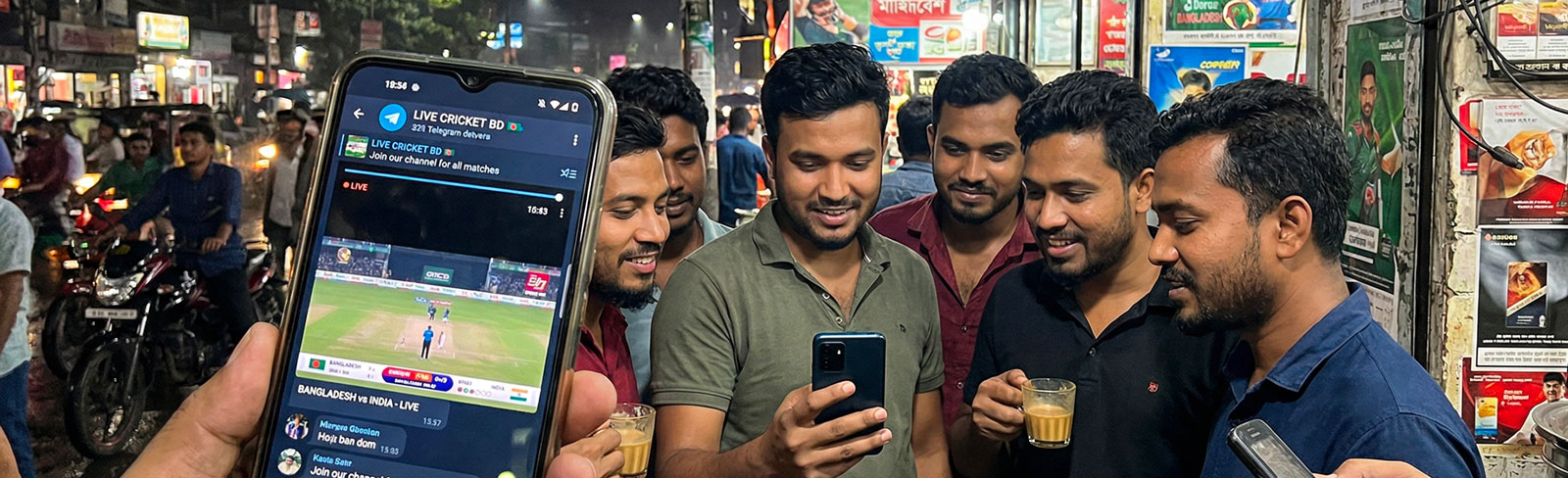
One unauthorised reupload may indicate wider distribution, but it is very important to find out other sources like websites, social media platforms, Telegram, and other channels. And it doesn’t end here, as content owners need to look beyond exact copies, as infringers may rename files, alter the titles, edit the video, change the description, and publish it in mirror uploads. Tracking only the first URL can therefore provide an incomplete picture of the infringement. Manual searches can be difficult and time-consuming, particularly when content is repeatedly redistributed across multiple platforms.
4. Submit a Takedown Request
Once infringement has been verified and evidence is documented, the next step is to submit a copyright takedown request through the right platform. Requests generally require the following details, such as,
- Identification of the copyrighted work
- Location of the infringing content
- Ownership information
- Contact details and
- Required legal declarations
A complete and accurate submission can help platforms review complaints, but the procedures differ with each platform. Here are some of the most common examples.
How to report Copyright infringement on YouTube
Copyright owners or their authorised representatives can submit a copyright removal request through YouTube’s copyright reporting process. The request generally requires information identifying the copyrighted work, direct URLs to the allegedly infringing content, contact details, and the required legal declarations.
Depending on the copyright management tools available to the rights holder, YouTube may also offer features to help prevent future copies of removed content from being reuploaded.
How to report Copyright infringement on Instagram
If your copyrighted photo, video or reel is reuploaded, use Meta’s copyright reporting process. Provide clear information to identify the original work and infringing content along with relevant links, usernames, descriptions and other details if any.
How to report Copyright infringement on TikTok
Copyright owners or their authorised representatives can report copyright infringement through TikTok’s intellectual property reporting process. The reporting route and information required may vary depending on the type of content and the reporting method used.
TikTok requires the copyright owner or an authorised representative to provide accurate information and other supporting documents wherever required.
5. Monitor and Act Against Repeat Reuploads
Removing one copy does not stop redistribution, as the same content can appear in new accounts, different URLs, other channels, and platforms. And at times, it may even resurface with a new file name and title. In order to track recurring infringement patterns, continuous monitoring is essential to identify new copies quickly. At times, depending on the situation, repeated large-scale infringement may require escalation and further legal action.
How BLOCK X Helps Protect Your Content
BLOCK X helps rights holders to effectively detect unauthorised content across various platforms through constant monitoring and an AI-based detection module. With this advanced technology, infringing copies can be easily identified even if their metadata like titles, file names, and other details have been changed. By efficiently combining detection with proper evidence collection and takedown management, BLOCK X helps content owners to take timely action and address repeat uploads promptly.
Conclusion
Unauthorised reuploads can spread really fast, so a structured approach is essential to keep up. This helps content owners to protect their digital assets and maintain greater control over their distribution. For businesses undergoing large-scale infringement, continuous monitoring and detection provide better visibility and help in faster action. BLOCK X, a top anti-piracy company in India, helps content owners to safeguard their business from repeated infringements. Take the first step towards content protection by contacting us today.
Recent Blogs