We are innovative, ambitious and ready for challenges! Hire Us




How to Protect Question Banks and Mock Tests From Piracy
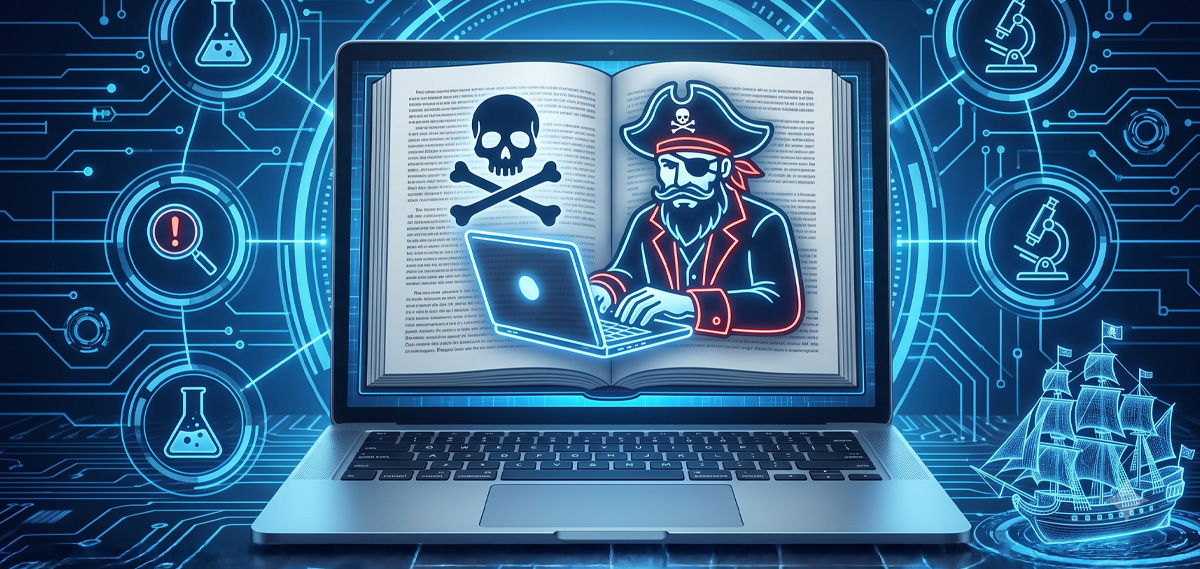
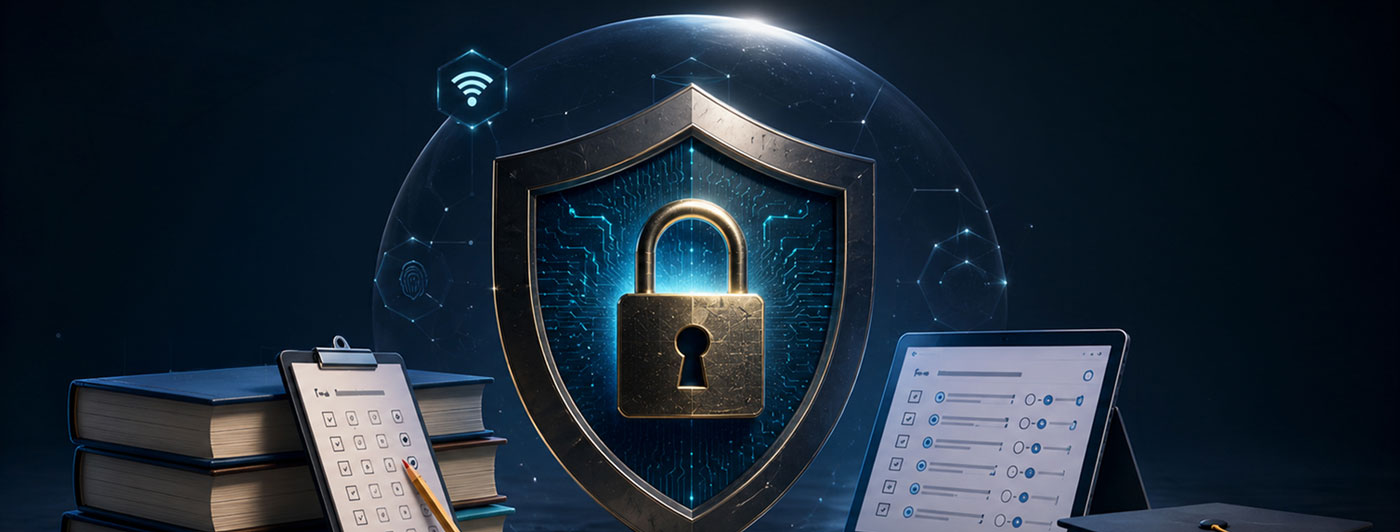
Question bank piracy is a growing concern for coaching institutes and EdTech platforms that invest significant time and resources in creating mock tests, question banks, and other educational content. These materials can be copied and distributed shortly after their release, reducing their commercial value and affecting brand reputation. Therefore, it is essential to have an effective protective layer rather than relying only on access restrictions.
1. Question Bank Piracy: Secure Access to Question Banks and Mock Tests
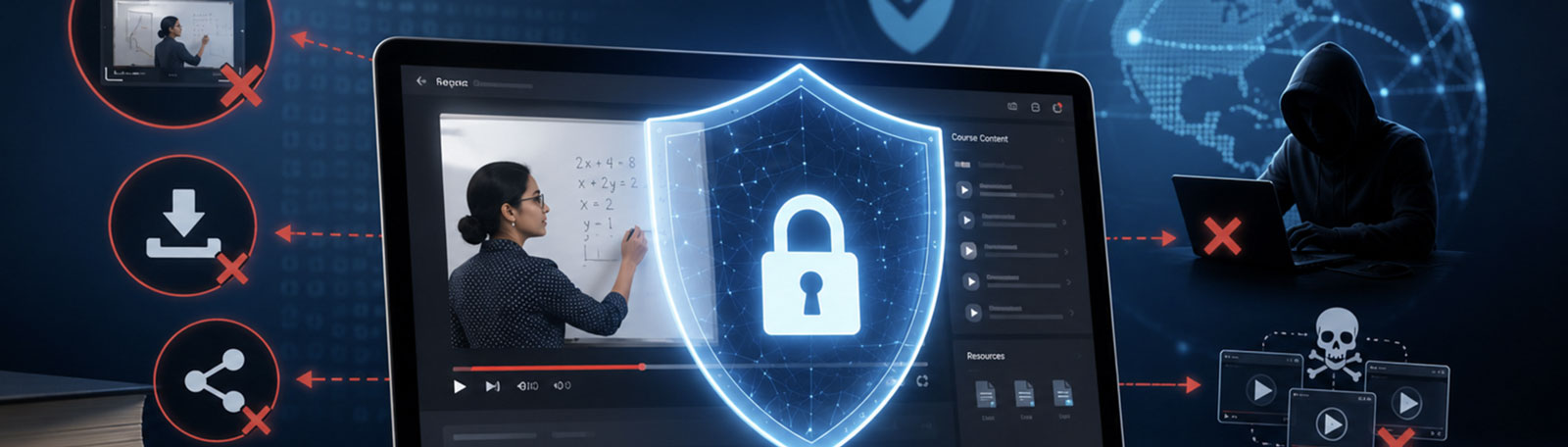
The first layer of protection is controlling who can access the premium educational content. Providers should use authentic accounts, subscription-based access, and permissions to enroll or permit authorised users.
And wherever appropriate, downloads should be restricted to reduce opportunities for direct redistribution. Unrestricted access makes it easier for users to obtain and share premium materials outside the learning environment. However, access control alone can’t eliminate piracy, it is one part of a broader protection strategy which is further supported by monitoring and enforcement.
2. Monitor Where Question Banks and Mock Tests Are Shared
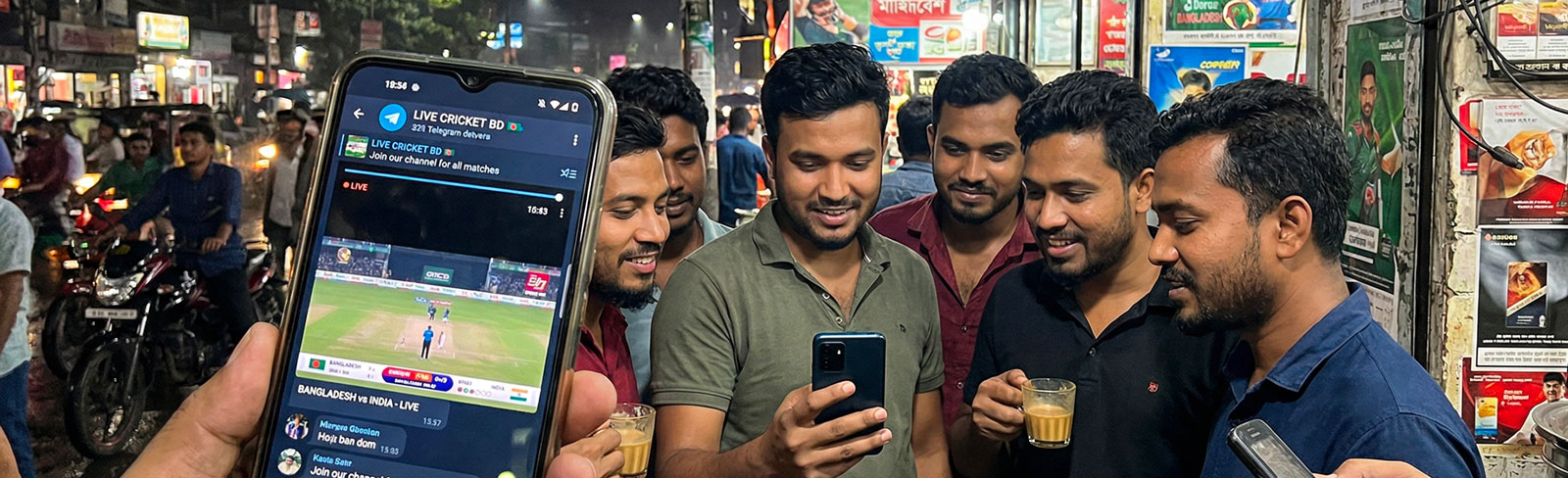
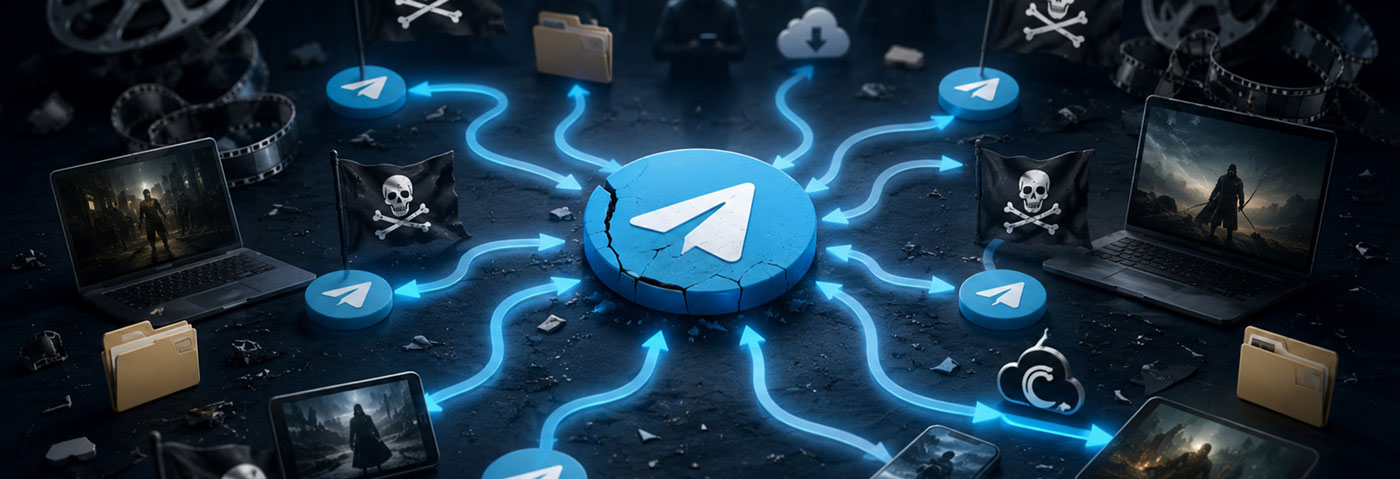
Pirated educational content can quickly move beyond the platform where it was originally released, and providers should constantly monitor websites, Telegram channels, and other social media platforms to identify where the content has been leaked. Effective monitoring can be done by making broader searches using keywords like,
- Test series names
- Course names
- Institute names
- Distinctive questions
- Answer-key details and
- Other identifying information like search signals.
A multi-source approach is important because a leaked mock test may be uploaded to one channel and then redistributed to several other websites and messaging platforms.
3. Detect Modified and Repackaged Copies
All the pirated question banks and mock tests are not distributed in their original form. Infringers rename files, reformat them, then reorder the questions, edit the answer keys, then combine them into a new test series and release it in various sources. This makes filenames and keyword searches insufficient. AI-assisted and content-based detection can help identify similarities even when titles, filenames, and other details have been changed. Identifying modified copies is very important, as leaked materials are often reordered and distributed under different titles.
4. Document and Track Pirated Materials
Once unauthorised content is identified, providers should maintain organized records of each instance. Relevant evidence may include infringing URLs, channel or account names, upload dates, screenshots, file details, and other information that establishes the nature and location of the infringement.
Tracking appearances across multiple platforms can also reveal whether the same question bank or mock test is being repeatedly redistributed. A structured record supports takedown requests, demonstrates the scale of unauthorised distribution, and helps identify repeat infringers.
5. Take Action Against Pirated Question Banks and Mock Tests
Detection should be accompanied by proper, timely enforcement. Providers can submit copyright complaints and other takedown requests to the relevant platform or hosting provider where the infringing material is available. And depending on the process, the complaint might require certain things like,
- Identification of the copyrighted work
- The location of the infringing material
- Ownership information
- Contact details and
- Applicable declarations
But for large-scale infringement, legal notices and other legal action may be necessary. The objective is not only to remove an individual copy but also to disrupt continued unauthorised distribution.
6. Continue Monitoring After a Takedown
A successful takedown doesn’t necessarily mean that the material will never spread online, as infringers will create new accounts, change URLs, move content to another platform, and upload edited versions in a different file name. Continuous monitoring helps providers identify repeated uploads quickly, so monitoring should continue even after enforcement to cover newly released sources along with previously leaked test series and mock tests.
How BLOCK X Helps Protect Question Banks and Mock Tests From Piracy
BLOCK X detects unauthorised educational content on behalf of rights holders across various websites, Telegram and social media channels. At BLOCK X, we use advanced AI-based detection to identify leaked question banks, mock tests and answer keys even if the details have been changed. The protection process includes steps like,
- Content detection
- Evidence collection
- Takedown management and
- Enforcement support
And in situations where the infringement occurs at a large-scale, appropriate legal actions are pursued to help right holders limit the unauthorised distribution.
Conclusion
Protecting question banks and mock tests requires a continuous approach rather than a one-time security measure. AI-based detection can efficiently identify altered copies and support timely takedown and legal action. Continued monitoring helps identify repetitive infringements and avoid content from resurfacing. BLOCK X, a top anti-piracy company in India, helps rights holders detect unauthorised content and take appropriate action against recurring infringement. Take the first step towards protecting your educational content by contacting BLOCK X today.
FAQs
1. What is EdTech piracy?
EdTech piracy is the unauthorised copying, sharing, or redistribution of educational content such as,
- Question banks
- Mock tests
- Answer keys
- Test series
- Courses and
- Study materials.
2. How does piracy affect EdTech companies?
Piracy can cause revenue loss, reduce the value of exclusive content, and allow users to access educational materials without authorisation.
3. How can EdTech companies detect pirated content?
EdTech companies can use AI-based detection and online monitoring to identify unauthorised copies of question banks, mock tests, and other educational content.
4. How can EdTech companies protect question banks from piracy?
They can combine content monitoring, access controls, and timely takedown actions to identify and remove unauthorised copies of their question banks.
5. Can BLOCK X help EdTech companies with piracy protection?
Yes. BLOCK X helps content owners detect unauthorised use of their educational content and take action to remove infringing copies from online platforms.
Recent Blogs