We are innovative, ambitious and ready for challenges! Hire Us






Broadcast Monitoring vs. Broadcast Takedown: What’s the Difference?
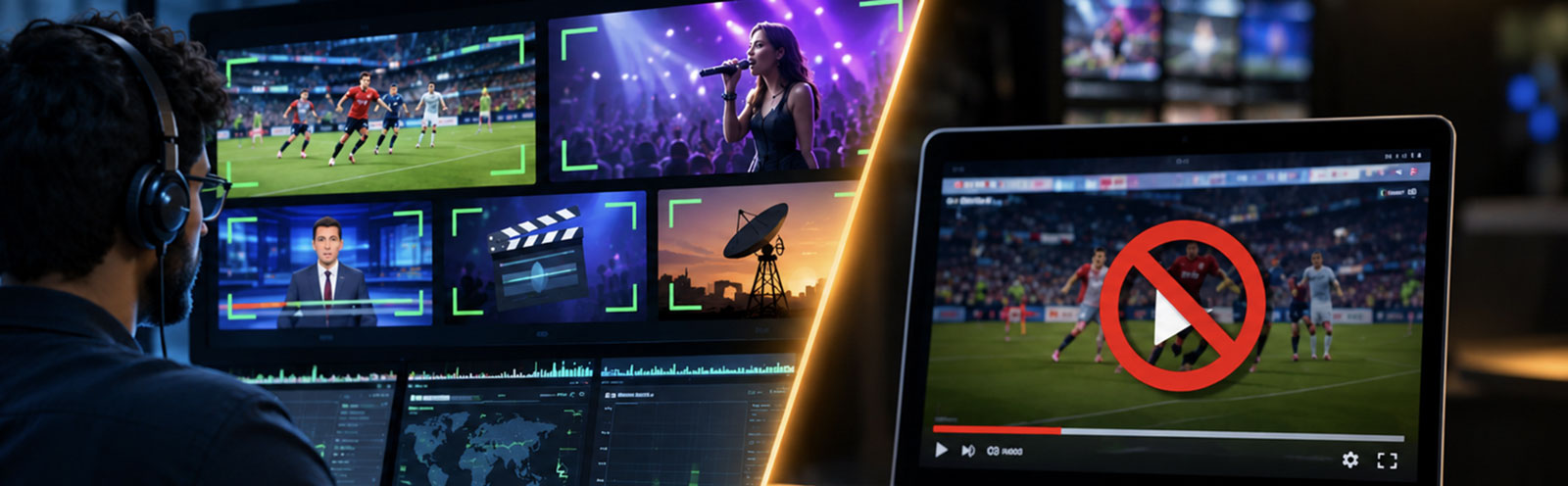
Broadcast monitoring and takedown are two essential processes in protecting copyrighted content from unauthorised distribution. With television programmes, live sports, and premium entertainment increasingly shared across digital platforms, broadcasters face growing challenges in identifying and addressing piracy.
While broadcast monitoring helps rights holders detect where their content is being distributed without permission, broadcast takedown focuses on requesting the removal of verified infringement. Understanding the difference between these processes is important for developing an effective content protection strategy and responding to online piracy.
What Is Broadcast Monitoring?
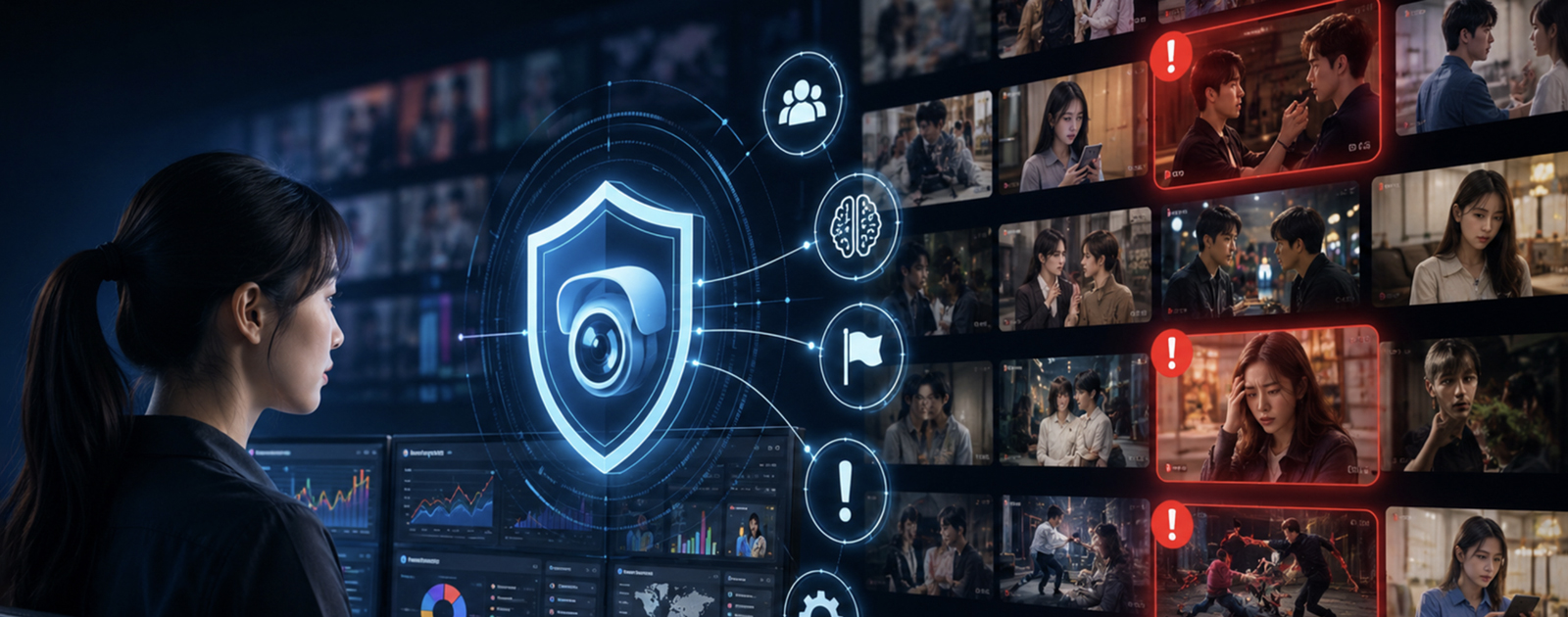
Broadcast monitoring is the process of identifying, tracking, and analysing the unauthorised distribution of copyrighted broadcast content across digital platforms. It is the first step in an effective broadcast monitoring and takedown strategy because rights holders need to identify infringement before taking enforcement action.
Broadcast monitoring services help broadcasters monitor websites, social media platforms, IPTV services, streaming sources, and messaging channels for unauthorised content. Technology-supported detection can identify potential instances of infringement, while human verification helps assess suspected matches.
Through continuous piracy monitoring, broadcasters can understand where their content is being shared, identify recurring sources, and track unauthorised distribution patterns. This provides better visibility into piracy activity and helps rights holders decide where enforcement efforts are needed.
What Are Broadcast Takedown Services?
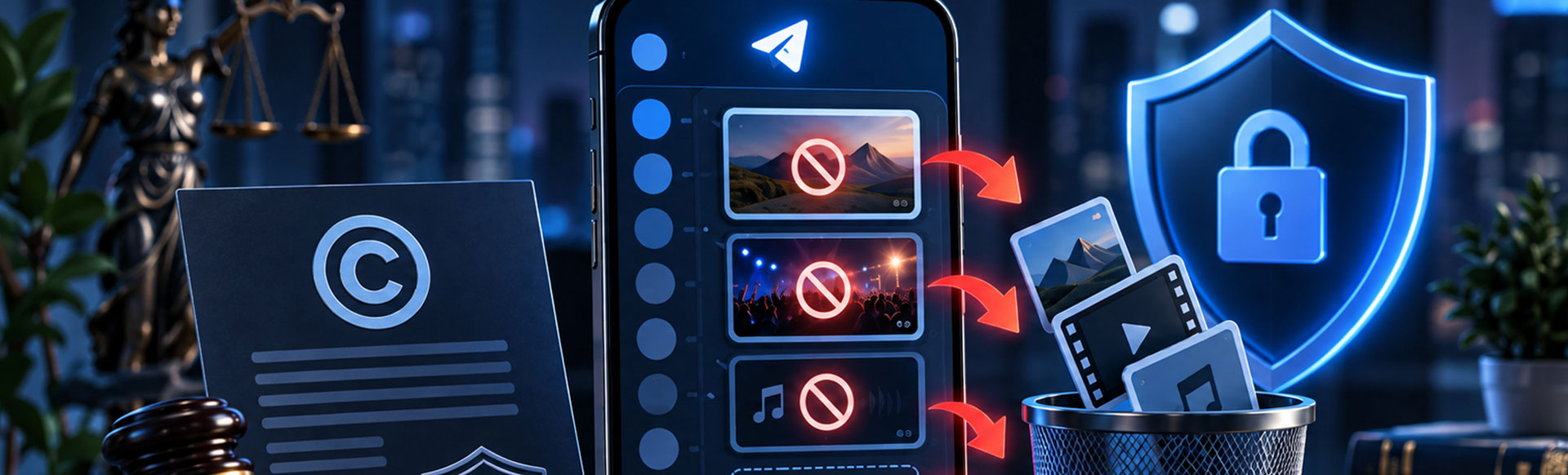
Broadcast takedown is the process of reporting verified copyright infringement to relevant platforms or service providers and requesting the removal of unauthorised content. While monitoring identifies potential violations, takedown focuses on taking action against them.
Broadcast takedown services typically involve identifying infringing URLs, collecting supporting evidence, preparing copyright infringement reports, and submitting removal requests through the appropriate platform channels.
These activities are also part of broader content removal services, which help rights holders address unauthorised streams, copies, and distributions of their copyrighted material.
However, submitting a takedown request does not automatically guarantee removal. The final outcome and response time depend on the platform’s review procedures, applicable policies, and the evidence provided.
Broadcast Monitoring vs. Broadcast Takedown: Key Differences
Although broadcast monitoring and takedown work towards the same objective, they serve different purposes within the content protection process. Understanding these differences helps broadcasters build a more structured approach to online piracy enforcement.
1. Purpose
Broadcast monitoring focuses on identifying and tracking unauthorised content across digital platforms. Broadcast takedown focuses on requesting the removal of verified infringing material.
2. Process
Monitoring involves scanning digital sources, detecting potential infringement, and verifying suspected matches. Takedown involves collecting evidence, submitting infringement reports, and following up on removal requests.
3. Outcome
Broadcast monitoring provides visibility into piracy activity and helps rights holders understand where their content is being misused. Broadcast takedown aims to restrict access to unauthorised content through platform-level enforcement.
4. Timeline
Monitoring is an ongoing activity that can continue throughout a broadcast’s distribution lifecycle. Takedown follows the identification and verification of infringement and may require additional reporting and follow-up.
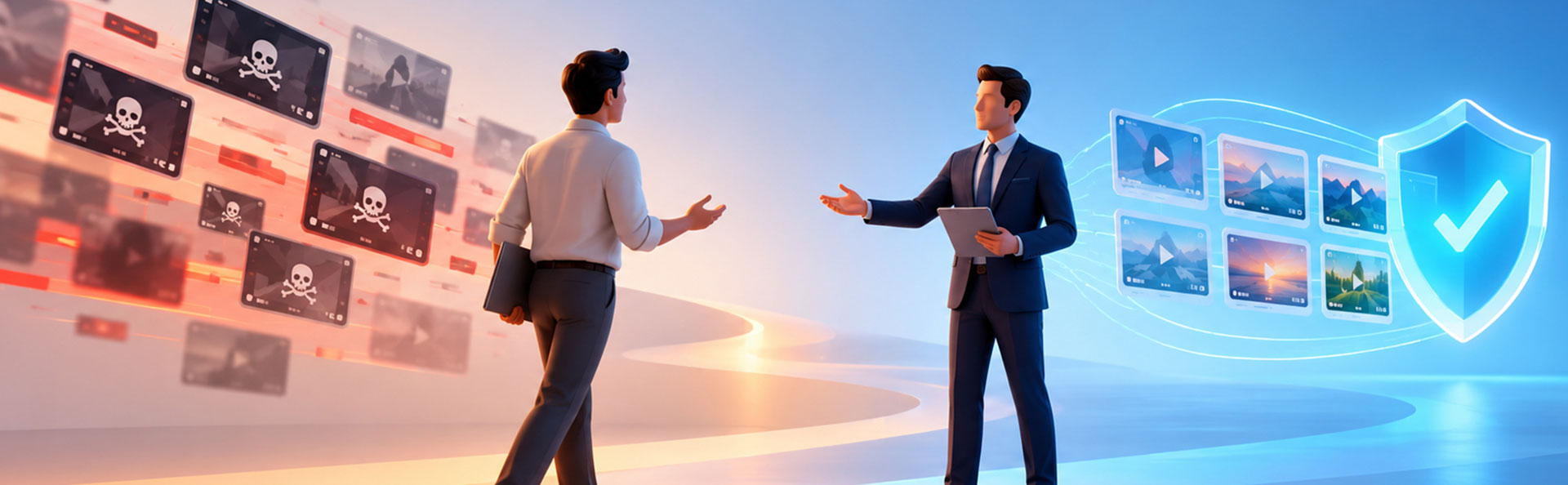
In simple terms, broadcast monitoring identifies piracy, while broadcast takedown supports action against it. Both are necessary components of a comprehensive content protection strategy.
Why Broadcasters Need Both Monitoring and Takedown
Relying on only one part of the broadcast monitoring and takedown process can leave gaps in content protection.
Monitoring without enforcement may identify unauthorised streams but leave them accessible to viewers. Similarly, takedown efforts without continuous monitoring may address individual links while missing other sources distributing the same content.
Combining broadcast monitoring services with effective takedown procedures creates a more coordinated approach. Monitoring helps identify infringement across multiple platforms, while takedown requests support action against verified cases.
Follow-up monitoring is equally important because pirated content can reappear through replacement links, mirror websites, and repeat-infringing channels. By connecting detection, enforcement, and continued monitoring, broadcasters can respond more effectively to recurring piracy.
How Broadcast Monitoring and Takedown Work Together
An effective broadcast monitoring and takedown strategy follows a series of connected steps:
1. Content identification: Rights holders identify the television programmes, sporting events, or other broadcast assets that require protection.
2. Platform monitoring: Digital platforms are monitored to identify unauthorised streams, uploads, and distribution sources.
3. Infringement verification: Detected results are reviewed to determine whether they represent potential copyright infringement.
4. Takedown requests: Evidence-backed reports are submitted to the relevant platforms or service providers, requesting action against verified infringement.
5. Follow-up monitoring: Removal outcomes are checked, and further piracy monitoring helps identify reuploads, replacement links, and repeat offenders.
This process connects monitoring with enforcement and helps ensure that identified infringement is followed by appropriate action.
How an Anti-Piracy Partner Can Support Broadcasters
Managing broadcast monitoring and takedown activities across multiple digital platforms can require considerable time and resources. A dedicated anti-piracy partner can help rights holders manage monitoring, infringement verification, evidence collection, takedown coordination, and repeat-infringer tracking.
BLOCK X helps rights holders detect unauthorised content across digital platforms and take action against infringement. By combining technology-supported detection with human intervention, BLOCK X supports broadcasters in identifying piracy sources and strengthening their content protection efforts.
Conclusion
Broadcast monitoring and takedown serve different but complementary purposes in protecting copyrighted broadcast content. While monitoring helps identify unauthorised distribution, takedown processes support action against verified infringement. Combining continuous monitoring, timely reporting, and follow-up enforcement helps broadcasters respond to piracy more effectively.
Contact BLOCK X today to strengthen your broadcast monitoring and takedown strategy, identify unauthorised distribution, and take action against online content piracy.
Frequently Asked Questions (FAQs)
1. What is broadcast monitoring?
Broadcast monitoring involves identifying and tracking unauthorised distribution of copyrighted content across websites, social media, IPTV services, and other digital platforms.
2. What is broadcast takedown?
Broadcast takedown is the process of reporting verified copyright infringement to relevant platforms and requesting the removal of unauthorised streams or content.
3. Why are broadcast monitoring services important?
They help broadcasters detect piracy, identify infringement sources, and understand how their content is being distributed without permission.
4. Can monitoring alone prevent broadcast piracy?
No. Monitoring helps identify infringement, but takedown requests are needed to seek the removal of unauthorised content. Both work together for effective content protection.
5. How do content removal services help broadcasters?
Content removal services help rights holders report copyright violations and request the removal of unauthorised streams, uploads, and copies from digital platforms.
Recent Blogs