We are innovative, ambitious and ready for challenges! Hire Us







How OTT Platforms Can Protect Their Content From Online Piracy
The growth of over-the-top (OTT) streaming platforms has transformed how audiences watch movies, web series, and live sports. However, the increasing demand for digital content has also created opportunities for online piracy. Unauthorised websites, messaging channels, and illegal streaming applications can distribute copyrighted content without permission, affecting revenue and content ownership.
OTT piracy protection is essential for platforms that want to safeguard their content, maintain subscriber trust, and reduce unauthorised distribution. By combining technical safeguards, continuous monitoring, and timely takedowns, OTT platforms can build a more effective content protection strategy.
How Does Online Piracy Affect OTT Platforms?
Online piracy creates several challenges for streaming services, particularly when exclusive content becomes available through unauthorised sources.
- Revenue losses: Pirated movies, series, and live streams can discourage users from subscribing legitimately.
- Content leakage: Unauthorised copies may appear online shortly after release, reducing the value of exclusive content.
- Brand reputation: Illegal streaming websites may offer poor-quality or altered versions of content associated with the original platform.
- Subscriber security: Unofficial streaming services may expose viewers to malicious advertisements, scams, and harmful downloads.
Addressing these risks requires OTT platforms to look beyond their official applications and websites.
Common Ways OTT Content Gets Pirated
Pirated content can spread across multiple digital channels, making detection and enforcement more challenging.
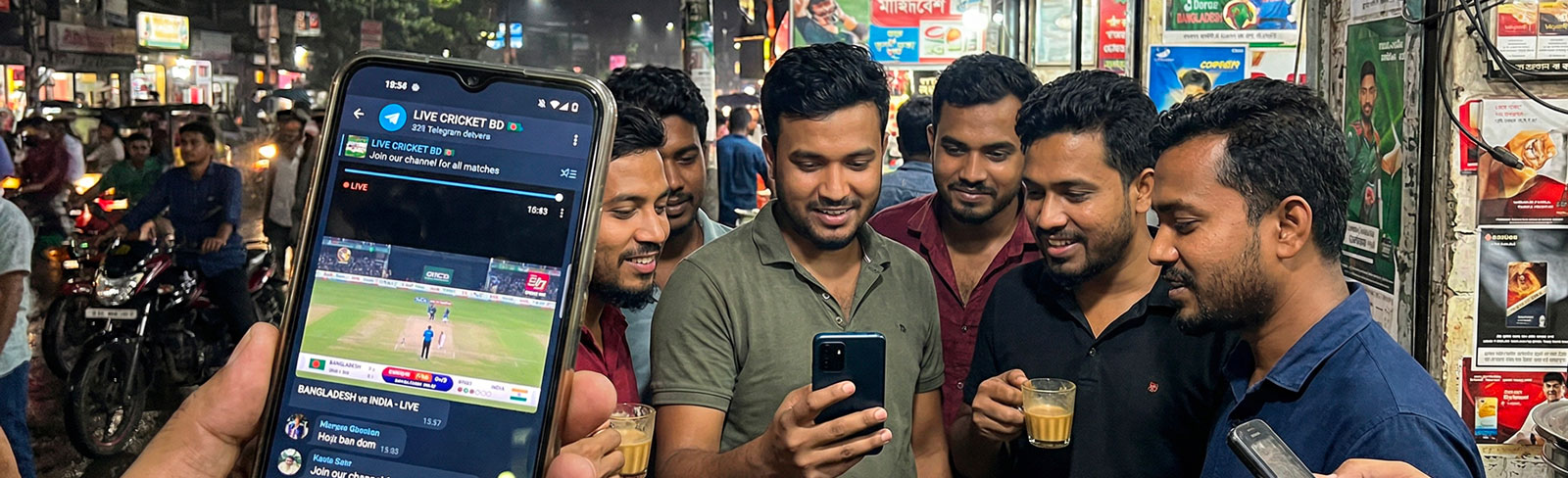
Illegal streaming websites frequently host or embed unauthorised copies of movies and television shows. Telegram channels, groups, and bots can distribute download links, video files, and access to pirated streams. Unauthorised mobile applications may also provide access to premium content without a legitimate subscription.
Social media platforms can facilitate the circulation of infringing clips and links, while illegal Internet Protocol Television (IPTV) services may redistribute premium channels and live sports broadcasts without permission.
Piracy sources can also change their domain names, rename uploaded titles, or create mirror websites to continue distributing the same content after enforcement action.
Essential Strategies for Effective OTT Piracy Protection
1. Strengthen Technical Content Protection
Technical safeguards help prevent unauthorised access and make content harder to copy or redistribute. OTT platforms can use encryption, digital rights management (DRM), access controls, and forensic watermarking to protect their streaming assets.
These measures serve different purposes. DRM helps enforce usage restrictions, while forensic watermarking can help trace the source of certain unauthorised copies. However, technical safeguards alone cannot eliminate piracy once content has been captured and redistributed elsewhere.
2. Implement Continuous OTT Piracy Monitoring
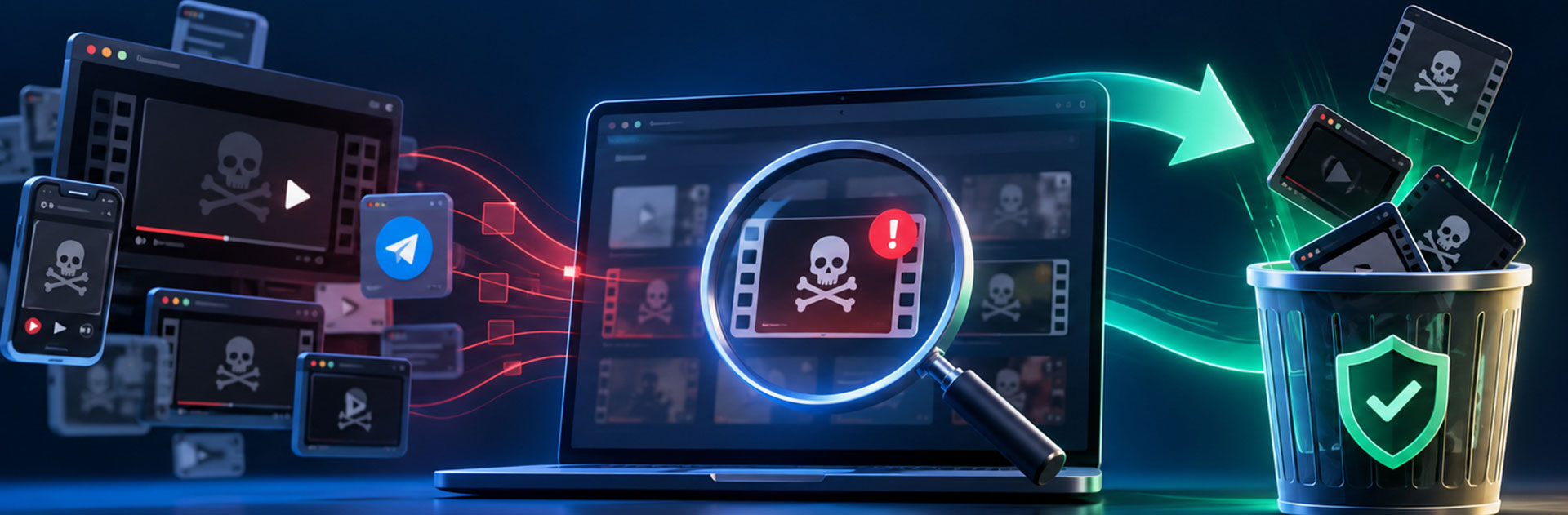
Effective OTT piracy monitoring helps identify infringing content across websites, social media, messaging platforms, and unauthorised streaming services.
Automated detection can help identify suspicious URLs, video files, and recurring sources at scale. Human verification can then help assess potential matches and distinguish genuine infringement from authorised content or false positives.
Continuous content monitoring is particularly important during major premieres, exclusive releases, and live sports events, when pirated copies may spread rapidly.
3. Act Quickly Through Content Takedowns
Detecting piracy is only one part of content protection. Once infringement is verified, platforms need an effective process for requesting the removal of unauthorised content.
Takedown requests can be submitted to relevant platforms, hosting providers, and other intermediaries through their established reporting procedures. Tracking the status of these requests helps teams measure progress and identify unresolved cases.
Timely enforcement can reduce the period during which pirated content remains accessible. However, removal from one source does not guarantee that the content will not reappear elsewhere.
4. Track Repeat Offenders and Emerging Threats
Piracy operators may reupload removed content through new accounts, renamed channels, mirror websites, or alternative links. Focusing on individual URLs without examining recurring patterns can leave these networks largely unaddressed.
OTT platforms should track repeat-infringing sources, identify recurring distribution patterns, and monitor related channels or websites. Where appropriate, channel-level enforcement and coordinated action against repeat offenders can help address persistent infringement more effectively.
5. Combine Technology With Legal Enforcement
Some piracy operations continue despite repeated takedown requests. In these situations, platforms may need to:
- Preserve evidence
- Document recurring infringement, and
- Consider appropriate legal remedies.
Copyright notices, evidence collection, and legal proceedings can complement technical protection and routine enforcement. The appropriate response depends on the nature of the infringement, the available evidence, and the applicable legal framework.
Why OTT Platforms Need a Proactive Anti-Piracy Approach
A reactive approach often means that action begins only after a rights holder or subscriber reports a pirated link. By that time, unauthorised copies may already have circulated across several websites and messaging channels.
A proactive OTT anti-piracy strategy combines ongoing detection, verification, takedown coordination, and repeat-offender tracking. Monitoring can also prioritise high-value releases and live events, when unauthorised distribution may have a particularly significant impact.
By integrating these activities, OTT platforms can improve visibility into piracy activity and respond more systematically as new threats emerge.
How a Dedicated Anti-Piracy Partner Can Help
Managing piracy across multiple websites, applications, and messaging platforms can place considerable demands on internal teams. A specialised anti-piracy provider can support rights holders through:
- Automated detection
- Human verification
- Infringement reporting
- Takedown coordination and monitoring of repeat offenders
BLOCK X helps rights holders detect unauthorised content across digital platforms and take action against infringement. By combining technology with human intervention, BLOCK X supports content monitoring and enforcement efforts designed to address piracy across multiple distribution channels.
Conclusion
Protecting streaming content requires more than securing an OTT platform’s own application. Technical safeguards, continuous monitoring, timely takedowns, and appropriate legal enforcement all contribute to a stronger content protection strategy.
Partner with BLOCK X, a leading anti-piracy company in India, to identify online infringement, monitor unauthorised distribution, and take action against pirated content. Contact us today to safeguard your digital content.
Recent Blogs