We are innovative, ambitious and ready for challenges! Hire Us







Broadcast Piracy: How Unauthorised Streaming Impacts Broadcasters
Broadcast piracy is a growing challenge for broadcasters as live sports, television programmes, news, and premium entertainment are increasingly distributed through:
- Unauthorised streaming websites
- IPTV services and
- Social media platforms
These activities can undermine broadcasting revenue, weaken the value of exclusive content rights, and affect legitimate distribution channels.
As digital content becomes easier to access and redistribute, broadcasters need effective ways to identify and address infringement. Continuous broadcast monitoring, timely takedowns, and proactive enforcement can help rights holders detect unauthorised streams and protect their valuable content.
What Is Broadcast Piracy?
Broadcast piracy refers to the unauthorised capture, retransmission, streaming, or distribution of protected broadcast content. It can involve the following:
- Live sports matches
- Television programmes
- News broadcasts
- Movies, and
- Premium entertainment shared without the appropriate permissions.
Unlike licensed broadcasting, pirated streams make protected content available through unauthorised channels. This form of content piracy can affect television networks, sports broadcasters, OTT platforms, production companies, and other rights holders.
As audiences increasingly consume content online, identifying and addressing unauthorised distribution has become an important part of protecting broadcast rights.
How Unauthorised Streaming Impacts Broadcasters
1. Revenue Losses
Broadcasters invest in content acquisition, production, distribution, and broadcasting rights. Illegal streaming can undermine these investments by providing unauthorised access to content that audiences would otherwise watch through legitimate channels.
This can affect subscription revenue, advertising opportunities, and the commercial value of distribution agreements. Although the financial impact varies by market and content type, persistent piracy creates additional challenges for businesses that depend on legitimate content distribution.
2. Reduced Value of Broadcasting Rights
Exclusive broadcasting rights are often a significant commercial asset, particularly for live sports, major entertainment events, and premium television programming.
When unauthorised streams circulate freely, the exclusivity of these rights can be weakened. Broadcasters may also face challenges demonstrating the value of exclusive access to advertisers, distribution partners, and paying subscribers.
3. Audience and Advertising Impact
Illegal streaming diverts some viewers away from legitimate broadcasting services. Unauthorised streams may also display advertisements without the permission of the original broadcaster or rights holder.
This can reduce legitimate audience engagement and create uncertainty around advertising opportunities. Broadcasters must therefore protect both their content and the distribution channels through which they monetise it.
4. Brand Reputation and Viewer Safety
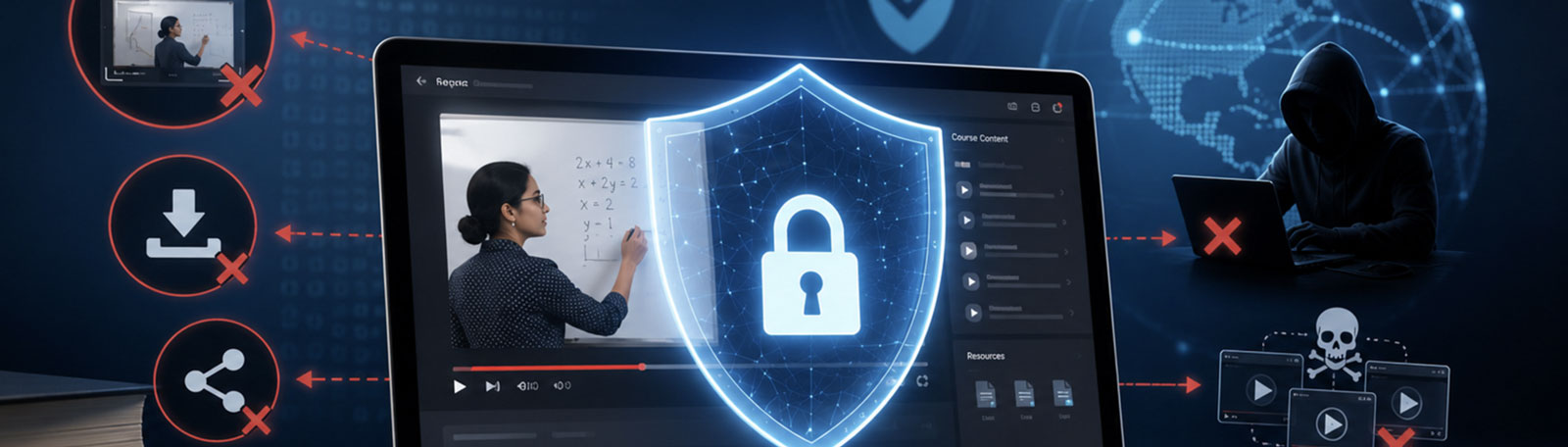
Unofficial streaming websites may offer poor video quality, unreliable playback, intrusive advertisements, or misleading links. Some may expose users to scams, malware, and other online security risks.
Although these risks originate with the unauthorised service, viewers may associate a poor experience with the content or brand being impersonated. Addressing broadcast piracy can help broadcasters protect their reputation while directing audiences towards legitimate viewing options.
5. Challenges During Live Events
Live sports matches, concerts, and major broadcasts are particularly hard to protect because their commercial value is often concentrated in a short window.
An unauthorised stream can reach viewers while the original event is still underway. This makes rapid identification, verification, and enforcement important components of an effective broadcast anti-piracy strategy.
Common Methods Used to Distribute Pirated Broadcasts
Piracy operators use different channels to distribute broadcasts without authorisation.
- Illegal streaming websites: These websites host or embed unauthorised live streams and recorded broadcasts.
- Unauthorised IPTV services: Some services redistribute television channels and premium broadcasts without the necessary permissions.
- Social media platforms: Accounts may livestream protected events or share unauthorised clips and links.
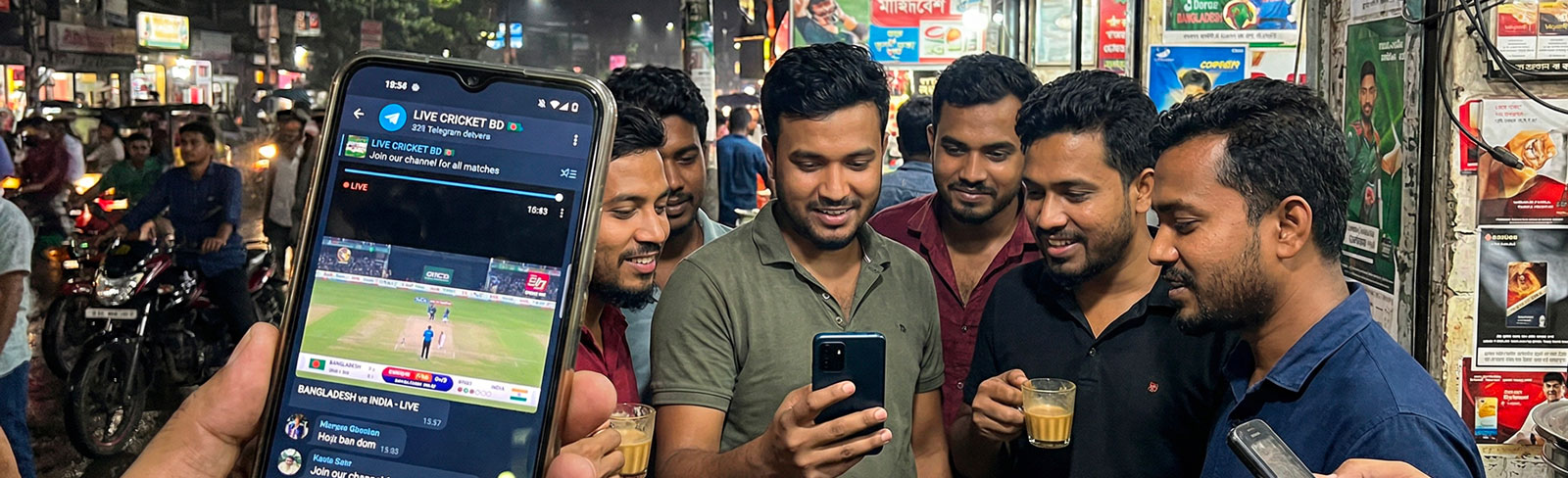
- Telegram channels and groups: These can circulate links to pirated streams, recordings, and unauthorised downloads.
- Mirror websites: Replacement domains and duplicate pages may appear after earlier sources are taken down.
These distribution methods can overlap, allowing the same broadcast to circulate across several sources. Consequently, monitoring a single website is rarely sufficient to understand the full scope of an infringement problem.
How Broadcasters Can Strengthen Broadcast Piracy Protection
1. Implement Continuous Broadcast Monitoring
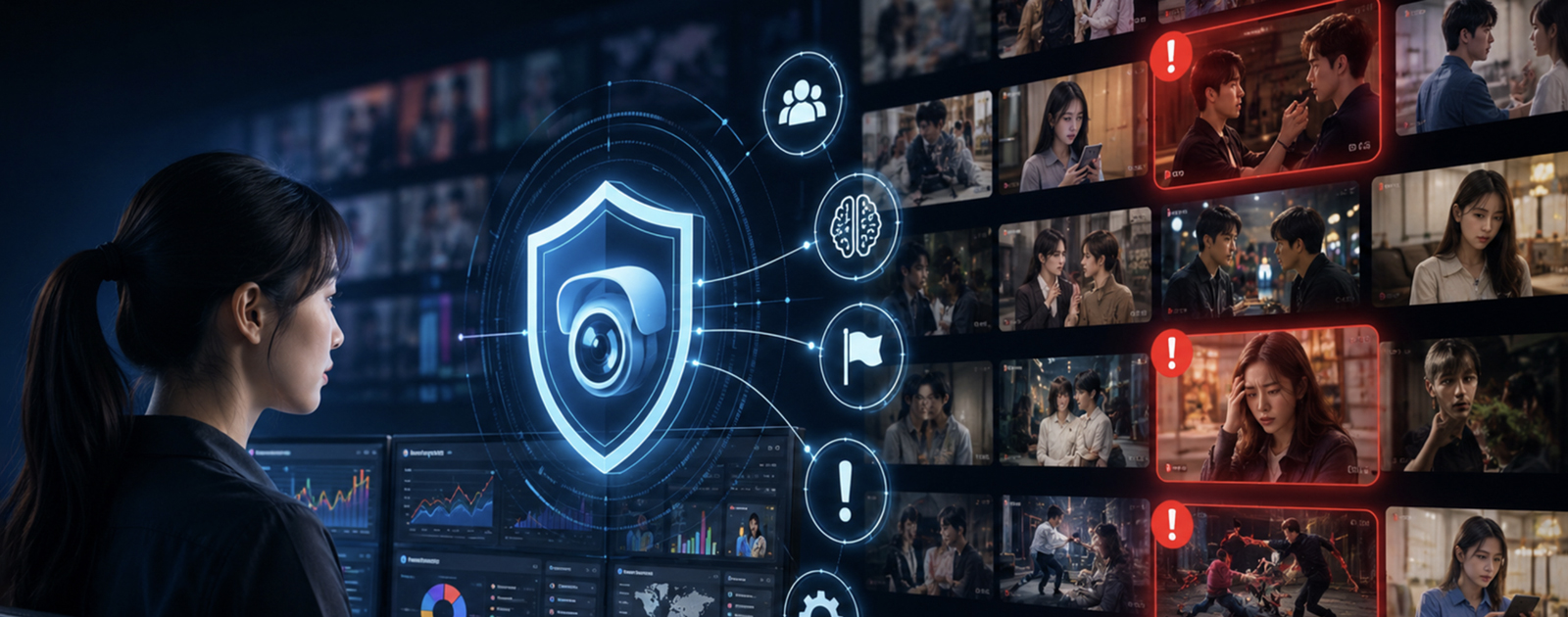
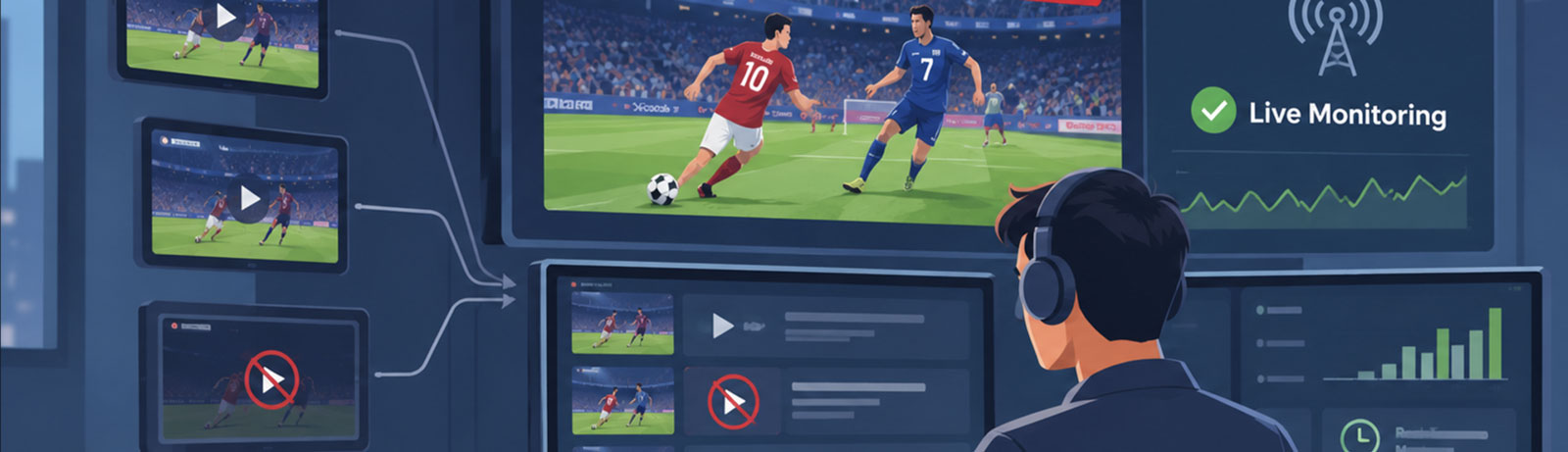
Effective broadcast monitoring helps identify potentially unauthorised streams across supported websites, social media platforms, applications, and IPTV sources.
Automated detection can help process large volumes of potential matches, while human verification helps establish whether the identified content is actually unauthorised. Monitoring should be prioritised according to content value, distribution risks, and the timing of important broadcasts.
2. Detect Piracy During Live Events
Live events require particular attention because unauthorised streams may spread before the broadcast ends.
Broadcasters can use monitoring processes designed to identify suspected live-stream infringement and support rapid verification. Early detection gives enforcement teams an opportunity to submit reports while the content remains commercially relevant.
Actual response times depend on the detection system, platform procedures, and the availability of reliable evidence.
3. Coordinate Timely Takedowns
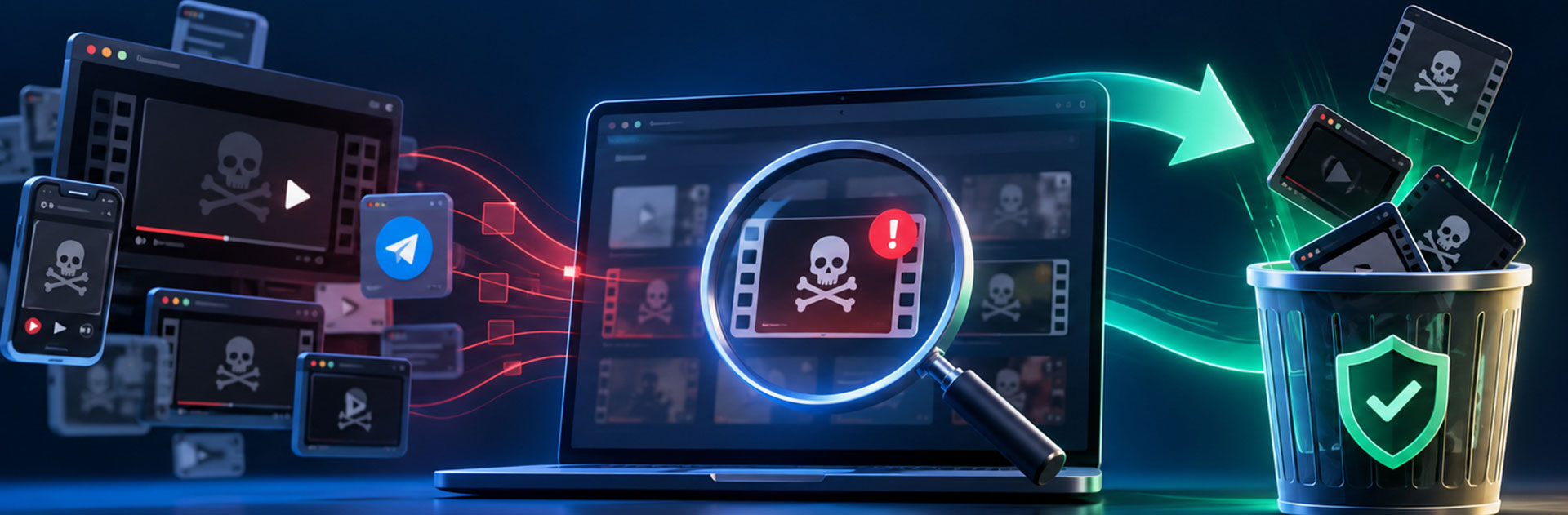
Once infringement is verified, broadcasters or their anti-piracy partners can submit appropriate takedown requests to the relevant platforms and service providers.
Tracking each request helps teams understand whether content has been removed, remains accessible, or has appeared elsewhere. Timely takedowns can reduce the availability of unauthorised streams, although they cannot guarantee that every copy will disappear permanently.
4. Identify Repeat Infringers
Some piracy sources repeatedly distribute the same content through new links, accounts, or websites after previous removals.
Tracking historical infringement records can help identify recurring sources and prioritise repeat-offender cases. This makes it easier to move beyond individual URL removal and address persistent distribution patterns.
5. Combine Technology With Human Verification
Technology supports the identification of potential infringement at scale, but automated alerts may include false positives or content that is legitimately licensed.
Combining automated detection with human review helps improve the accuracy of enforcement decisions. Where appropriate, broadcasters can also preserve evidence and consider further legal action against persistent infringement.
Why Proactive Broadcast Monitoring Matters
Waiting for audience complaints or discovering piracy after an event has ended can delay enforcement. A proactive approach involves monitoring before, during, and after major broadcasts, with particular attention to high-value events and recurring infringement sources.
Regular follow-up checks can help identify replacement links and reappearing streams. By combining detection, verification, takedown coordination, and continued monitoring, broadcasters can develop a more consistent response to unauthorised streaming.
Effective broadcast piracy protection is not about relying on a single tool or takedown request. It requires a coordinated process that adapts as piracy sources and distribution methods change.
How a Dedicated Anti-Piracy Partner Can Help
Monitoring broadcasts across multiple digital platforms can require significant time, technology, and specialised expertise. A dedicated anti-piracy provider can support rights holders with infringement detection, human verification, takedown coordination, and repeat-offender monitoring.
BLOCK X helps rights holders detect unauthorised content across digital platforms and take action against infringement. Through technology-supported monitoring and human intervention, BLOCK X supports efforts to identify piracy sources and coordinate enforcement against unauthorised distribution.
Conclusion
Broadcast piracy can affect revenue, exclusive broadcasting rights, and audience trust. By combining continuous monitoring, timely takedowns, and repeat-infringer tracking, broadcasters can strengthen their response to unauthorised streaming and protect their digital assets.
Contact BLOCK X today to strengthen your broadcast piracy protection strategy, identify unauthorised streams, and take action against online content infringement.
Frequently Asked Questions (FAQs)
1. What is broadcast piracy?
Broadcast piracy is the unauthorised capture, retransmission, streaming, or distribution of protected broadcasts, including live sports, television programmes, and premium entertainment.
2. How does illegal streaming affect broadcasters?
Illegal streaming can undermine subscription and advertising revenue, reduce the commercial value of exclusive broadcasting rights, and create brand reputation challenges.
3. What is broadcast monitoring?
Broadcast monitoring involves checking digital sources for potentially unauthorised broadcasts. It can include monitoring websites, social media platforms, IPTV sources, and other supported distribution channels to identify suspected infringement.
4. How can broadcasters prevent repeat broadcast piracy?
Broadcasters can combine continuous monitoring, content verification, timely takedown requests, historical infringement tracking, and follow-up checks to identify reappearing streams and repeat infringers.
5. How can BLOCK X help with broadcast anti-piracy?
BLOCK X helps rights holders detect unauthorised content across digital platforms and supports enforcement efforts through technology-supported monitoring, human intervention, and takedown coordination.
Recent Blogs