We are innovative, ambitious and ready for challenges! Hire Us







Why Pirated Content Keeps Coming Back After a Takedown
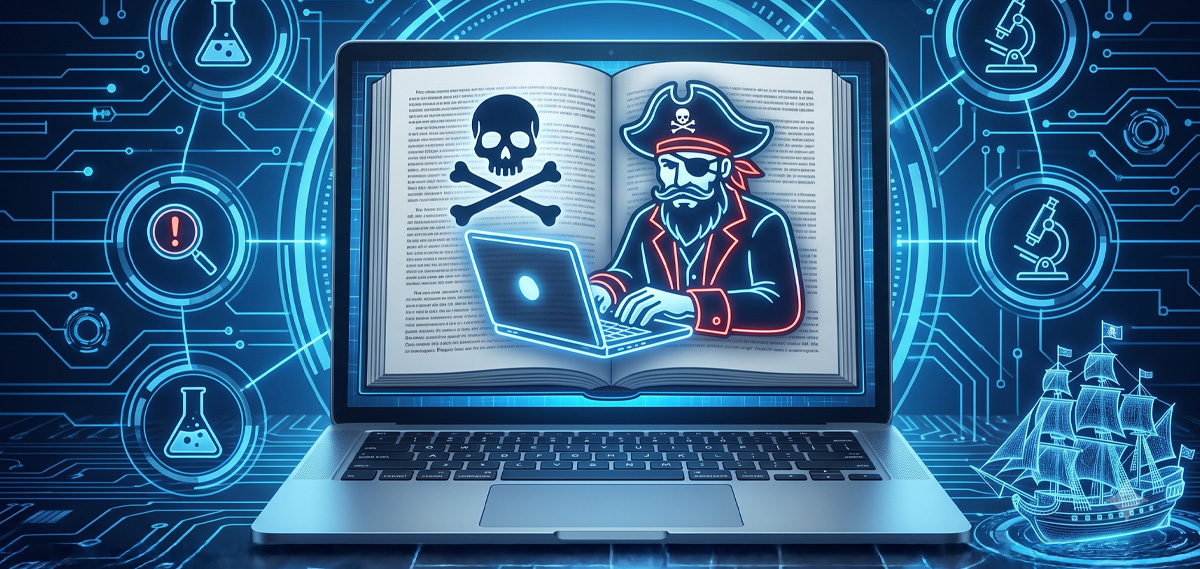
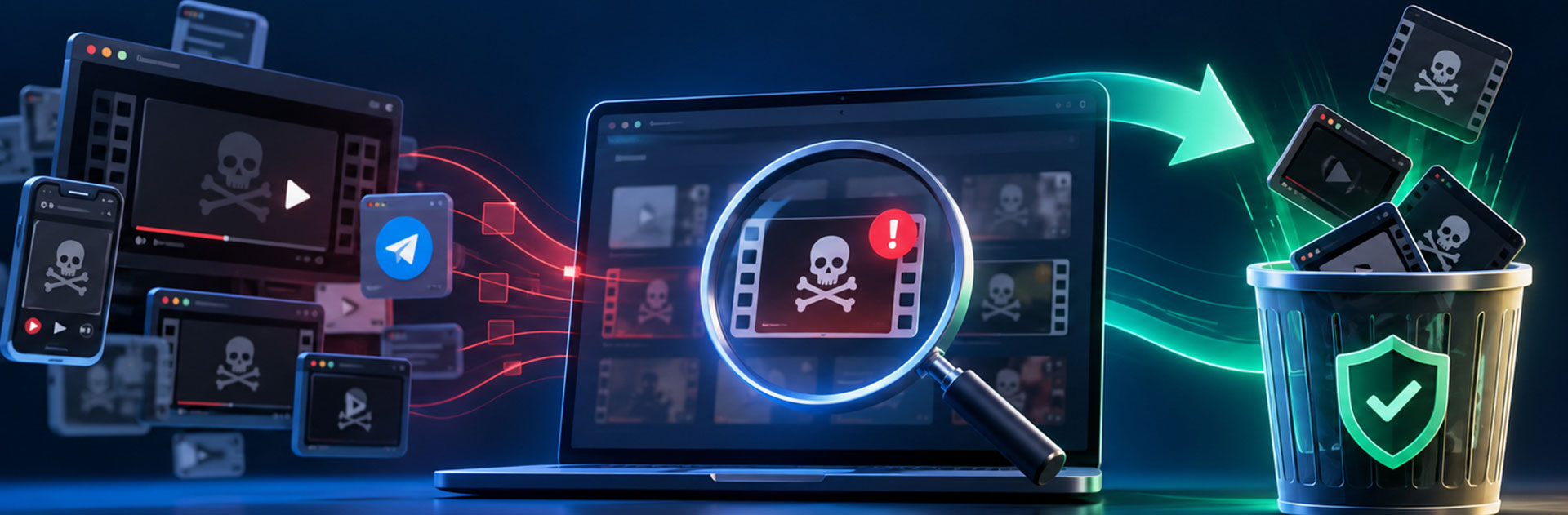
Removing pirated content from the internet is an important step in protecting digital assets, but it does not always end the problem. Movies, web series, music, and other copyrighted material can reappear on new websites, messaging channels, and unauthorised streaming platforms even after successful takedowns. This recurring problem makes content protection challenging for rights holders and digital businesses.
Repeat piracy occurs when unauthorised content continues to circulate despite previous removal efforts. Understanding why piracy reappears and implementing continuous monitoring and enforcement can help businesses address recurring infringement more effectively.
What Is Repeat Piracy?
Repeat piracy refers to the continued or recurring unauthorised distribution of copyrighted content after previous instances of infringement have been identified or addressed. It can involve the same content being uploaded again, previously reported websites returning under new domains, or repeat infringers distributing material through different accounts and channels.
A takedown typically targets a specific infringing URL, post, file, or other item. Removing that item does not automatically eliminate every existing copy or prevent another upload. This is why rights holders need a broader approach that combines timely removal with ongoing monitoring and follow-up enforcement.
Why Does Pirated Content Keep Coming Back After a Takedown?
1. Multiple Copies Exist Across Platforms
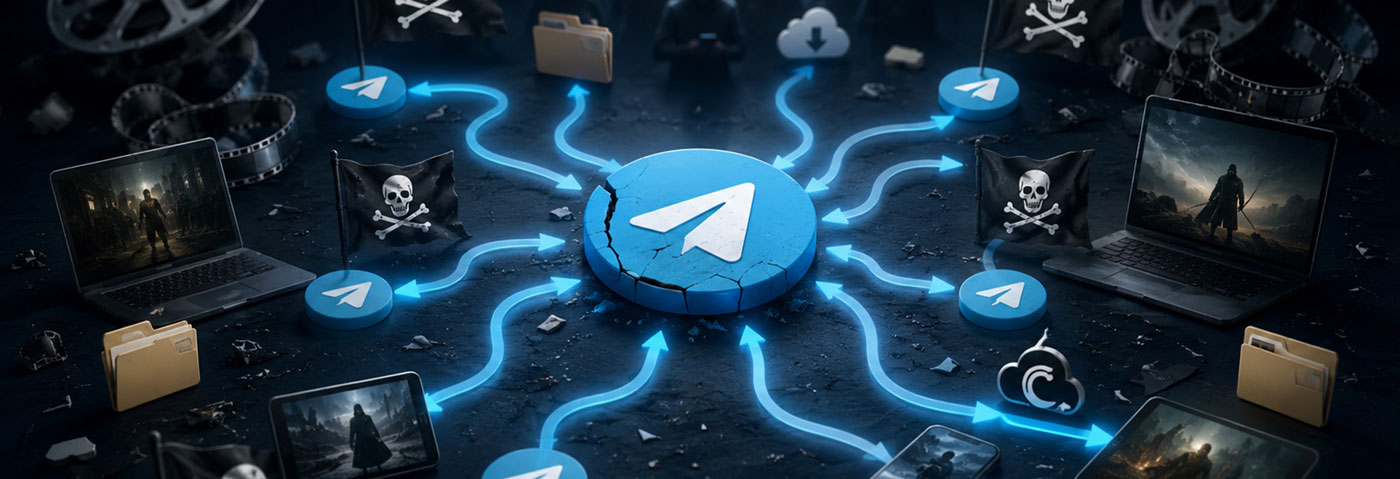
Pirated content can spread rapidly across different websites, social media accounts, messaging channels, and unauthorised streaming applications. A single movie or episode may have several copies circulating simultaneously.
Removing one copy does not automatically remove the others. Unless these additional instances are identified and addressed separately, users may continue accessing the same content through alternative sources.
2. New Links and Mirror Websites Appear
Some piracy operators create mirror websites or register alternative domains to continue distributing content after a takedown. When one website becomes inaccessible, another may offer the same material.
These changes can make enforcement more complicated, particularly when new websites appear frequently or use different hosting services. Continuous monitoring helps rights holders identify these emerging sources and take appropriate action.
3. Content Is Reuploaded Under Different Names
Piracy reuploads may involve changing a file’s name, modifying its thumbnail, altering its format, or publishing it under a different title. Such changes can make basic keyword searches less effective.
Content-matching techniques and other detection methods can help identify potential copies that may not be easily found through title-based searches alone. Human verification remains important to confirm whether a suspected match represents unauthorised distribution.
4. Repeat Infringers Continue Distributing Content
Some individuals, accounts, or channels repeatedly distribute copyrighted material despite previous enforcement actions. They may switch accounts, create new channels, or move to other platforms after content is removed.
Identifying repeat infringers requires more than examining individual URLs. Tracking historical infringement records and recurring distribution patterns can help rights holders recognise persistent sources and prioritise appropriate enforcement.
5. Takedowns Often Address Individual Items
A takedown request generally focuses on identified infringing material. It does not necessarily prevent the same content from being uploaded elsewhere or remove every related copy.
As a result, repeated infringement can generate additional reporting and enforcement work. A more effective strategy combines takedown requests with follow-up checks and monitoring for newly discovered instances.
The Challenges of Managing Repeat Copyright Infringement
Managing repeat copyright infringement can be resource-intensive, particularly for businesses with large content libraries.
High volumes of infringing URLs can overwhelm teams that depend entirely on manual searches. Different platforms may also have separate reporting procedures, response times, and requirements for submitting evidence.
Delayed detection creates another challenge. Reuploaded content may remain accessible while rights holders identify the new source and prepare another takedown request. Furthermore, recognising connections between different websites, accounts, and channels can be difficult without historical records and suitable monitoring tools.
These challenges demonstrate why isolated takedowns are rarely sufficient for persistent piracy. Rights holders need an organised process for identifying infringement, tracking enforcement outcomes, and detecting content that returns.
How Piracy Monitoring Helps Identify Reuploads
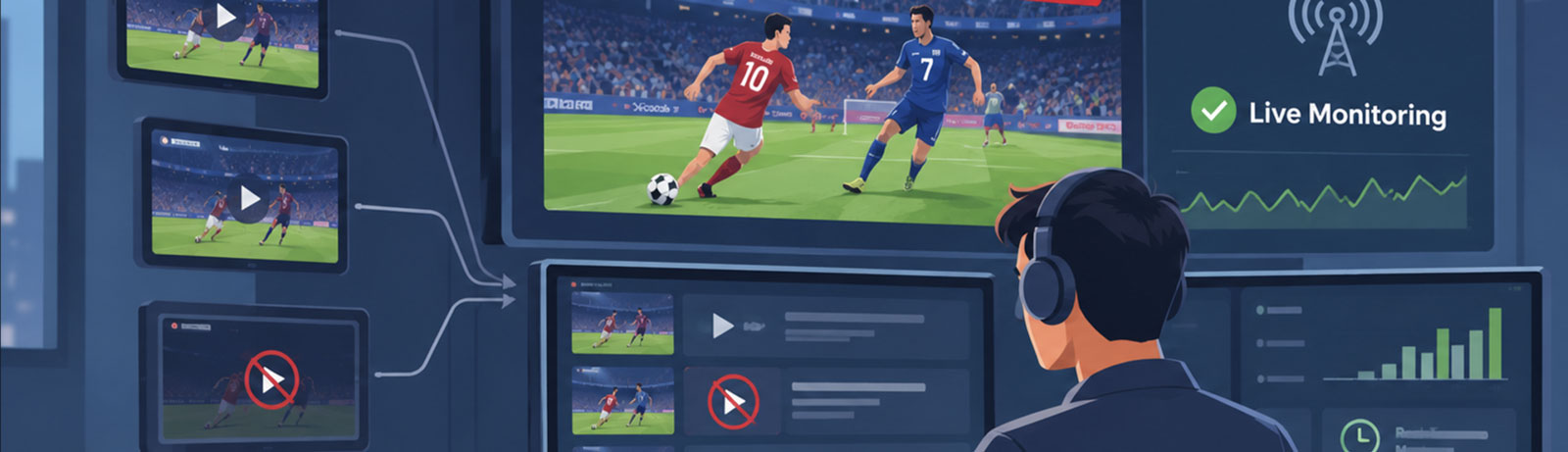
Continuous piracy monitoring helps rights holders identify potential infringement across supported digital platforms and respond when previously removed content reappears.
- Monitor multiple sources: Check websites, social media platforms, messaging channels, and unauthorised streaming sources for potential infringement.
- Identify recurring content: Use content-matching techniques to help detect copies that may have been renamed, modified, or redistributed.
- Track previous takedowns: Maintain records of reported URLs, removal outcomes, and known infringement sources to support follow-up monitoring.
- Recognise repeat offenders: Examine recurring patterns across accounts and channels to help identify persistent infringement.
- Prioritise enforcement: Focus attention on high-impact content and recurring sources while coordinating appropriate removal requests.
Combining automated detection with human verification can help teams manage large volumes of potential infringement more efficiently. Although monitoring cannot guarantee that all reuploads will be prevented, it improves visibility and supports a more systematic response.
Building a More Effective Repeat-Piracy Response
Addressing repeat piracy requires a coordinated process rather than a series of isolated removal requests. Rights holders should maintain records of previous infringement, monitor known sources for new uploads, and follow up on takedown outcomes.
When infringement persists, they can escalate cases through the relevant platform procedures or consider appropriate legal action. Regularly reviewing detection results and enforcement outcomes can also help teams refine their monitoring priorities.
A combination of technology, human expertise, and consistent enforcement gives content owners a stronger foundation for responding to recurring piracy threats.
How a Dedicated Anti-Piracy Partner Can Help
Managing recurring infringement across multiple digital platforms can be challenging without dedicated monitoring resources. An anti-piracy partner can support rights holders through automated detection, human verification, takedown coordination, and continued monitoring for reuploads.
BLOCK X helps rights holders detect unauthorised content across digital platforms and take action against infringement. By combining technology-supported monitoring with human intervention, BLOCK X supports efforts to identify recurring piracy activity and address repeat infringement.
Conclusion
Repeat piracy demonstrates why removing an infringing link is only one part of effective content protection. Continuous monitoring, repeat-offender identification, and timely enforcement help rights holders respond when unauthorised content returns.
Contact BLOCK X today to strengthen your anti-piracy strategy, identify repeat infringement, and protect your digital content from unauthorised distribution.
Recent Blogs