We are innovative, ambitious and ready for challenges! Hire Us







How Pirated Content Spreads Across Multiple Platforms After the First Upload
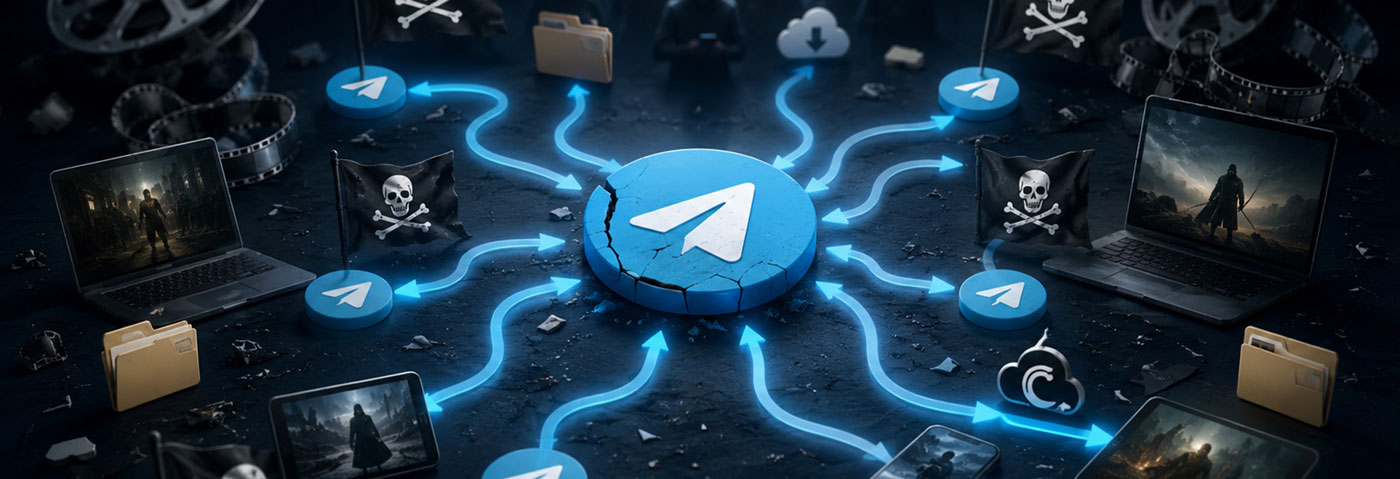
Cross-platform content piracy occurs when unauthorised copies of copyrighted material spread across multiple digital platforms after an initial upload. A pirated film, television episode, or OTT release can quickly circulate through websites, social media platforms, messaging applications, and file-sharing networks.
As copies multiply, rights holders face increasing challenges in identifying every source and preventing further distribution. Understanding how cross-platform content piracy spreads is essential to developing effective protection strategies. By recognising how piracy networks operate and how content moves between platforms, businesses can strengthen their monitoring efforts and respond more effectively to copyright infringement.
The First Upload: Where Piracy Begins
The process often starts when copyrighted content appears on an unauthorised streaming website, download portal, or file-sharing service. These initial uploads may originate from leaked files, unauthorised recordings, or copies obtained from existing distribution channels.
Once available, the content becomes a source for further duplication and sharing. Other websites may reproduce the same material, while individuals or groups distribute links through online communities. Early detection is therefore important because addressing an infringement at its initial stage may help limit further distribution, although it cannot guarantee that additional copies will not appear.
How Cross-Platform Content Piracy Spreads Across Platforms
1. Copies Appear on Multiple Websites
After the first upload, pirated content may be duplicated across several websites and mirror domains. These platforms can host the same files under different URLs, making it difficult to identify every instance through a single search.
When one domain becomes inaccessible, or content is removed, another copy may remain available elsewhere. This duplication makes pirated content tracking a continuing requirement rather than a one-time activity.
2. Social Media Drives Discovery
Social media platforms can help unauthorised content reach wider audiences. Posts, short video clips, comments, and private messages may promote pirated material or direct users to external streaming websites and download links.
Even when the copyrighted file is hosted elsewhere, promotional posts can contribute to its visibility. Consequently, effective monitoring must consider both the infringing content itself and the links or accounts facilitating its discovery.
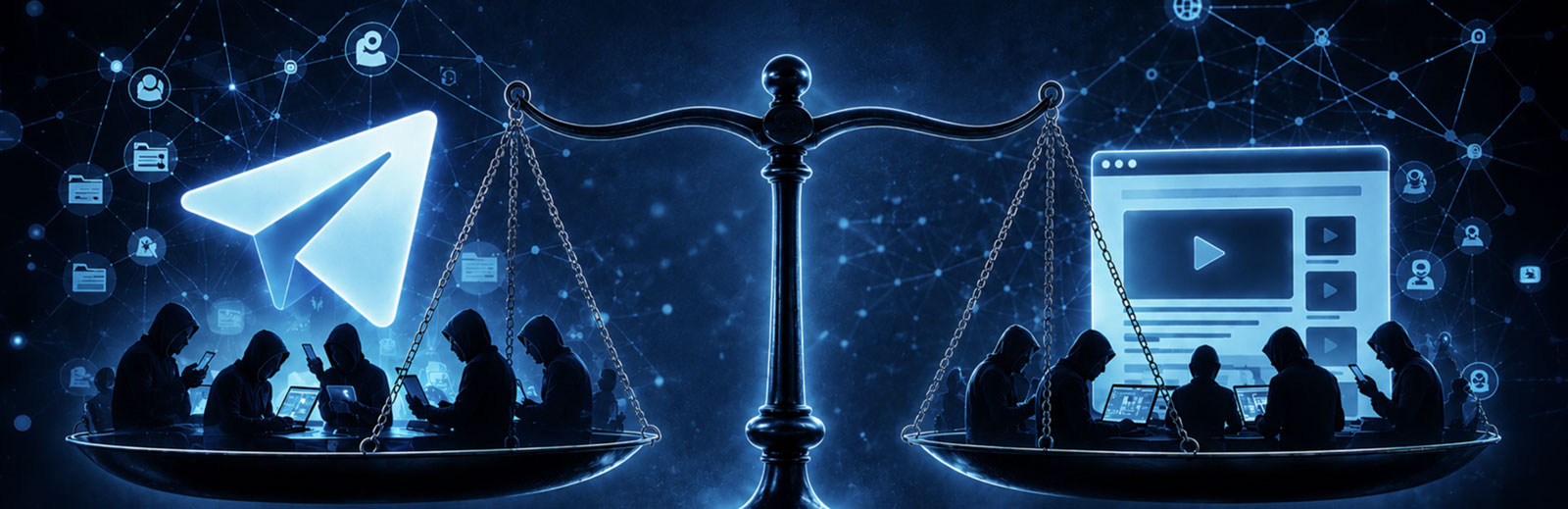
3. Telegram Channels and Bots Expand Distribution
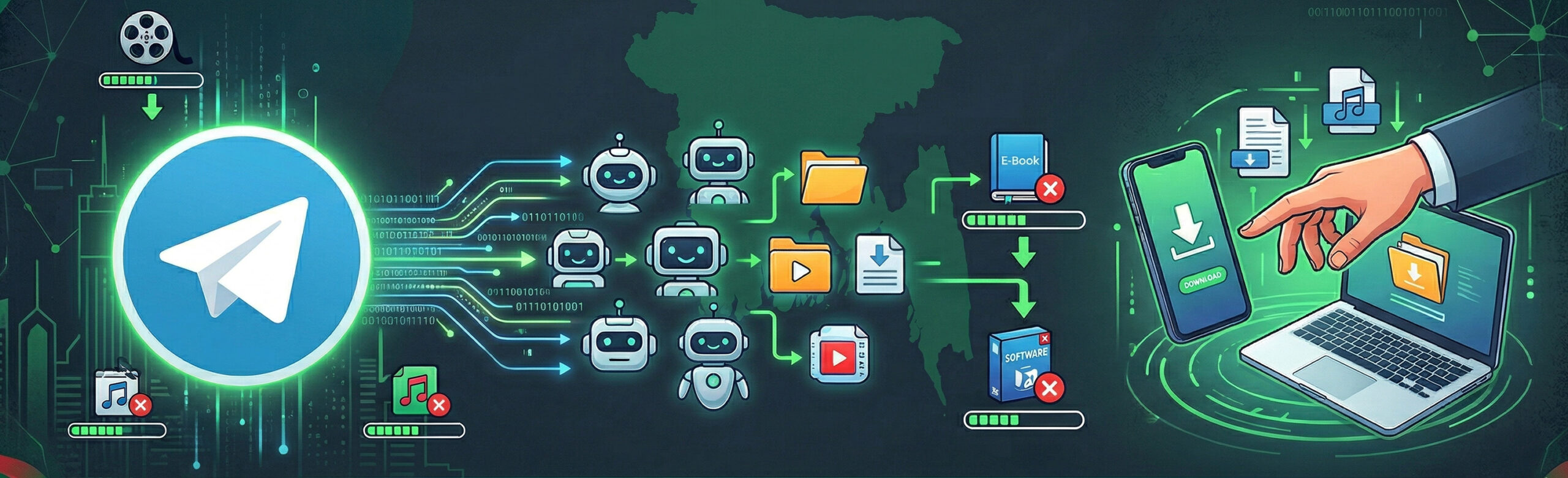
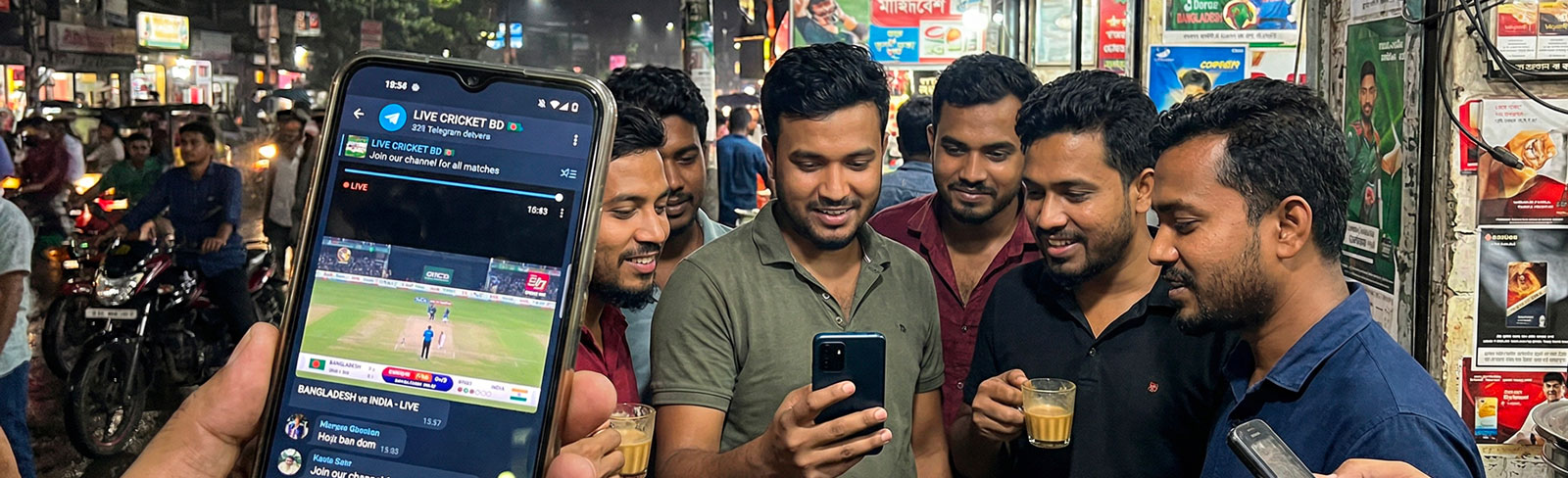
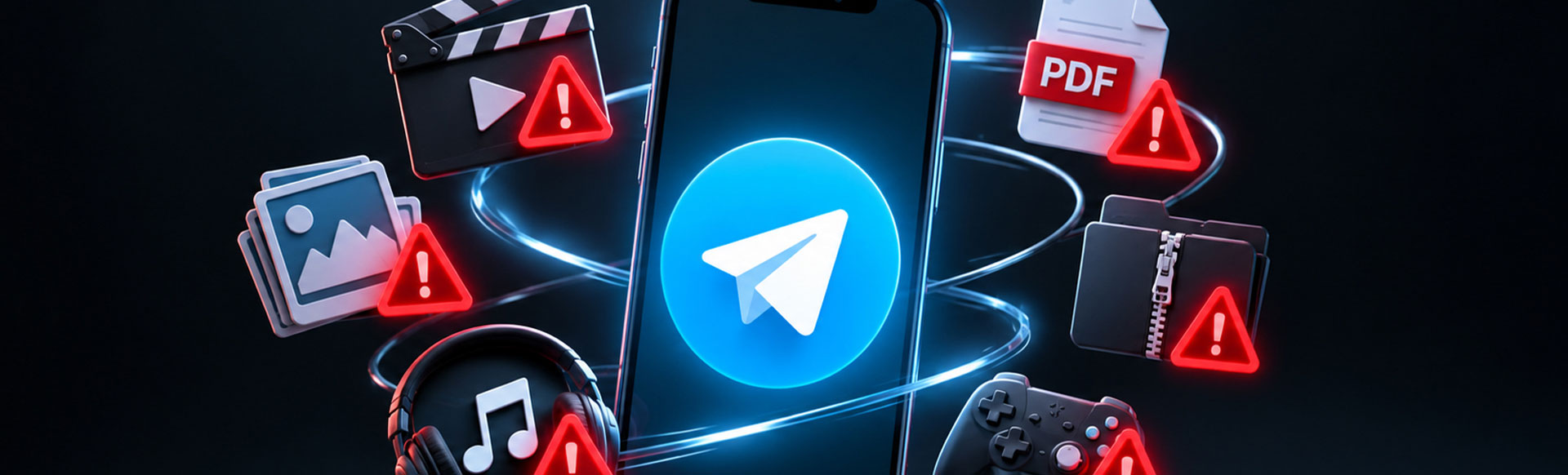
Messaging platforms, including Telegram, can serve as distribution channels for pirated files and access links. Channels may share content with large audiences, while bots can automate certain sharing and delivery activities.
Piracy networks may also use renamed channels, replacement bots, or new distribution links to maintain access. Monitoring these activities helps rights holders identify recurring sources and understand how unauthorised content continues circulating after individual links are removed.
4. Search Engines and Online Communities Increase Visibility
Search engines can make unauthorised sources easier to discover when infringing pages appear in search results. Online forums and communities may also circulate links, recommend websites, or direct users towards alternative sources.
As these references accumulate, pirated content can reach audiences beyond the original website’s visitors. This wider visibility can prolong infringement and complicate efforts to control unauthorised access.
5. Repeat Uploads Keep the Cycle Active
Removing an infringing URL does not automatically eliminate every copy of the content. The same material may reappear under a different address, account, filename, or hosting service.
This recurring activity creates an ongoing enforcement challenge. Without continuous piracy monitoring, rights holders may struggle to identify new uploads quickly and distinguish fresh infringements from previously addressed cases.
Why Cross-Platform Piracy Is Difficult to Control
Cross-platform piracy presents several challenges for rights holders. Each platform may have its own reporting procedures, evidence requirements, and enforcement timelines. Meanwhile, large volumes of URLs, duplicate files, and newly created accounts make manual tracking increasingly difficult.
Content can also move between platforms, with social media directing users to external websites and messaging channels distributing additional copies. Removing one link may therefore have limited impact on the wider distribution network.
Addressing these challenges requires a coordinated approach that combines detection, verification, enforcement, and continued monitoring across relevant digital environments.
How Piracy Monitoring Helps Track Distribution
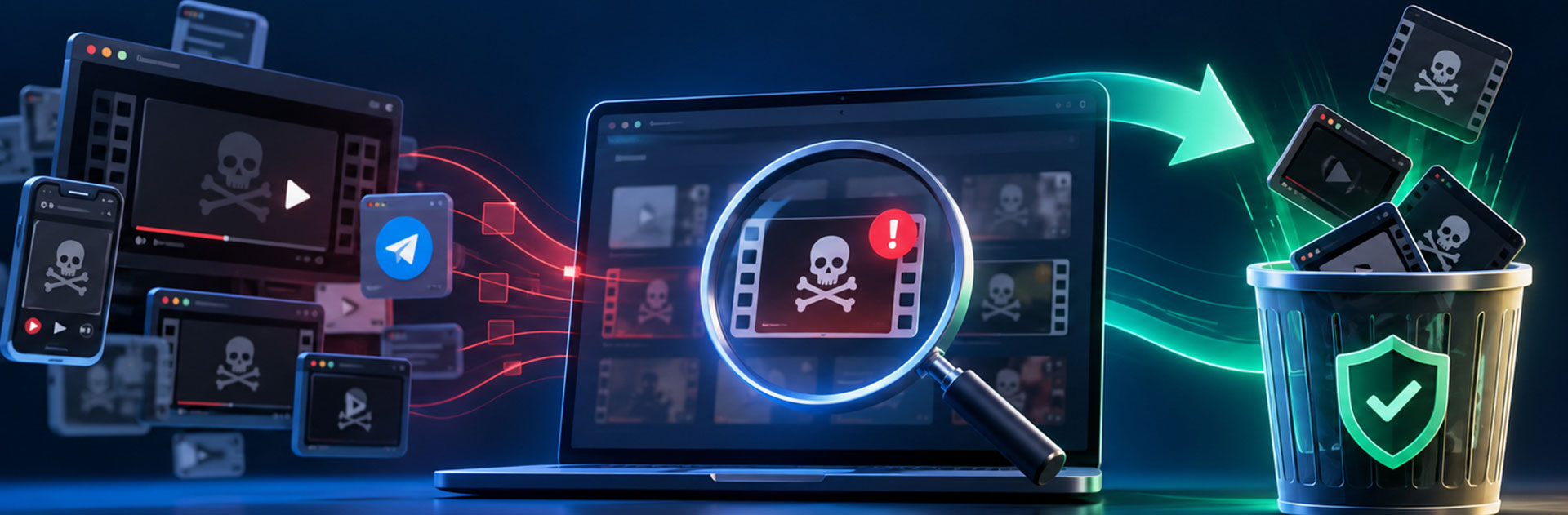
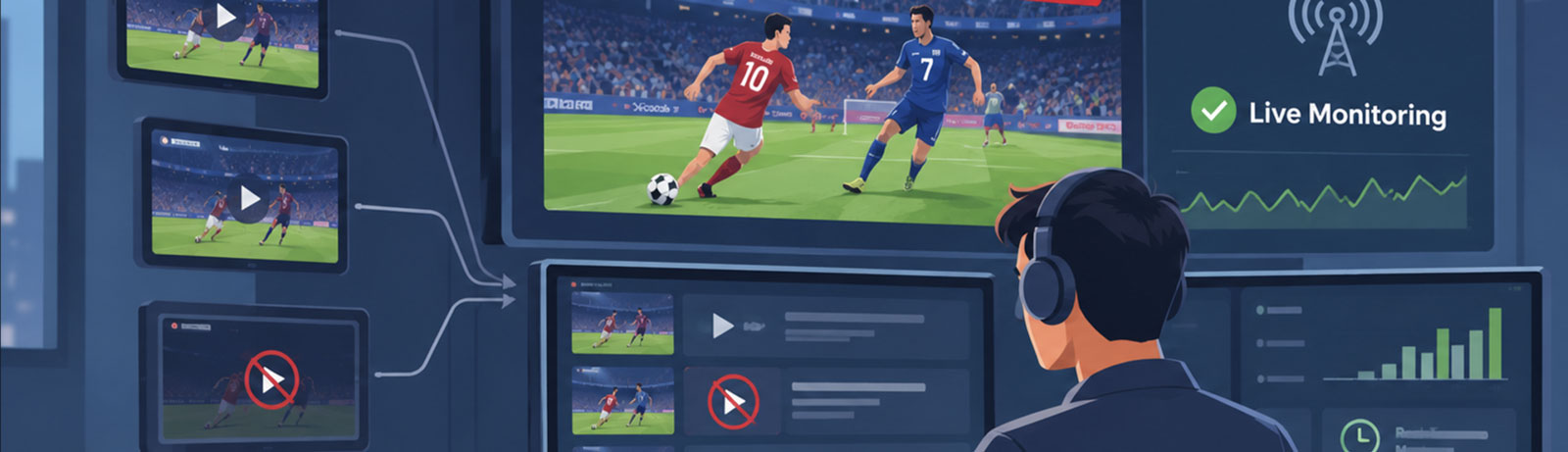
Effective piracy monitoring helps rights holders identify infringement beyond the first upload. Automated detection can support the discovery of suspicious URLs and repeated content, while human verification helps assess potential infringements before enforcement action.
Cross-platform tracking can reveal connections between duplicate links, recurring accounts, and distribution sources when supported by evidence. These insights help enforcement teams prioritise significant infringements and submit appropriate takedown requests to the relevant platforms.
Monitoring also enables businesses to evaluate removal outcomes, turnaround times, and recurring infringement patterns. This information supports more informed decisions about enforcement priorities and resource allocation.
Rather than treating every upload as an isolated incident, a structured monitoring strategy helps rights holders respond to the broader patterns behind online piracy and strengthen long-term content protection.
Conclusion
Pirated content distribution extends far beyond the first upload, spreading through websites, social media, messaging platforms, and interconnected piracy networks. Addressing it requires continuous detection, accurate tracking, and consistent enforcement.
BLOCK X, a top anti-piracy company in India, helps rights holders identify infringing content and pursue takedowns across digital platforms. Contact BLOCK X today to strengthen your online content protection strategy and take proactive action against digital piracy.
Recent Blogs