We are innovative, ambitious and ready for challenges! Hire Us






Live Sports Piracy: Why Real-Time Monitoring Matters
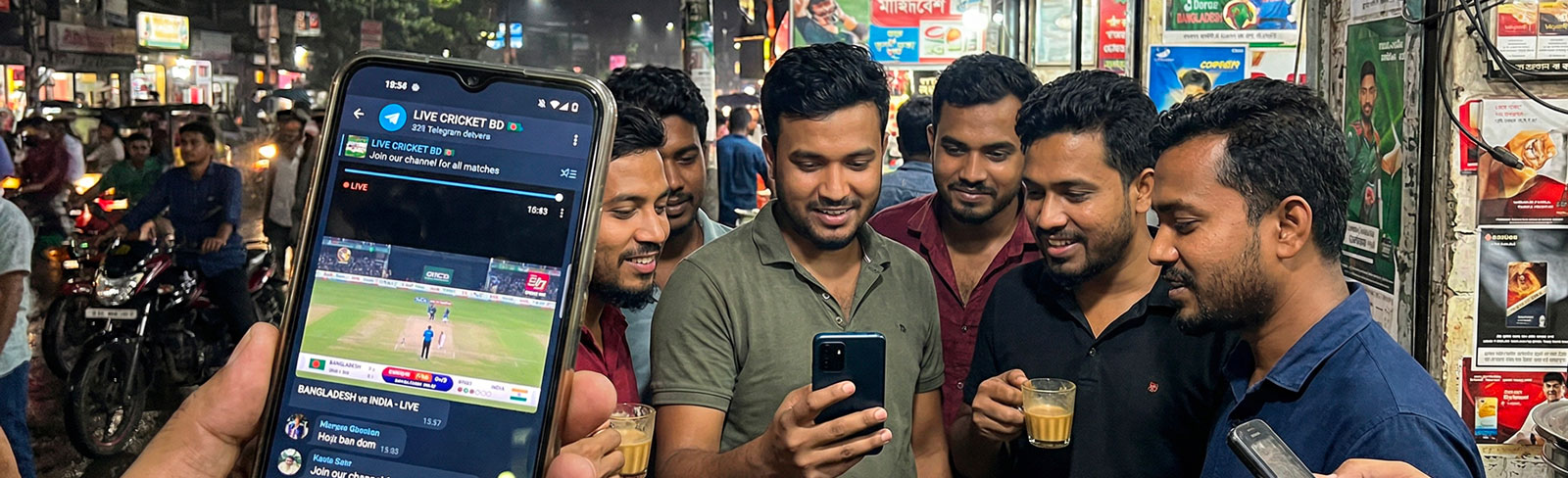
Live sports have become one of the most valuable forms of digital content. Millions of viewers tune in to watch cricket matches, football tournaments, tennis championships, and other sporting events through television and online streaming platforms. However, the growing popularity of live broadcasts has also increased the risk of unauthorised distribution. Live sports piracy allows viewers to access premium sporting events through illegal websites, IPTV services, social media accounts, and other unauthorised sources.
Unlike recorded content, live sports have a limited commercial window. Every minute of unauthorised streaming can affect legitimate broadcasters and rights holders. This makes real-time monitoring and timely enforcement essential for protecting sports broadcasting rights.
What Is Live Sports Piracy?
Live sports piracy refers to the unauthorised streaming, retransmission, recording, or distribution of sporting events without permission from the relevant rights holders. It commonly occurs through illegal streaming websites, unauthorised IPTV services, social media livestreams, and messaging channels.
These sources may provide free access to events that are otherwise available through paid subscriptions or licensed broadcasters. Because links can be shared and redistributed quickly, a single unauthorised stream can reach a large audience in a short time.
How Live Sports Piracy Impacts Broadcasters and Rights Holders
The effects of live sports piracy extend beyond the unauthorised use of broadcast content. It can create financial and operational challenges for businesses that invest in acquiring and distributing sports rights.
1. Revenue and Subscription Losses
Broadcasters and streaming platforms invest significantly in acquiring sports rights, producing coverage, and maintaining distribution services. Illegal sports streaming can divert viewers away from authorised platforms, potentially affecting subscription revenue, pay-per-view purchases, and advertising income.
2. Reduced Value of Broadcasting Rights
Exclusive broadcasting rights are valuable because they give authorised platforms the ability to distribute specific sporting events. When the same content becomes freely available through unauthorised sources, the exclusivity and commercial value of those rights may be weakened.
3. Advertising and Sponsorship Impact
Sports broadcasts attract advertisers and sponsors because of their ability to reach large audiences. Pirated streams can divert viewers from legitimate broadcasts, making it harder for rights holders to deliver the audience reach promised to commercial partners.
4. Unauthorised Redistribution
Pirated streams can be copied, recorded, and redistributed across multiple platforms. Even when an original source is identified, replacement links and mirror websites may continue circulating the same content.
Why Real-Time Piracy Detection Matters
Live sporting events create a narrow window for effective enforcement. A takedown request made after a match has ended may not prevent the commercial damage caused by unauthorised streaming during the event.
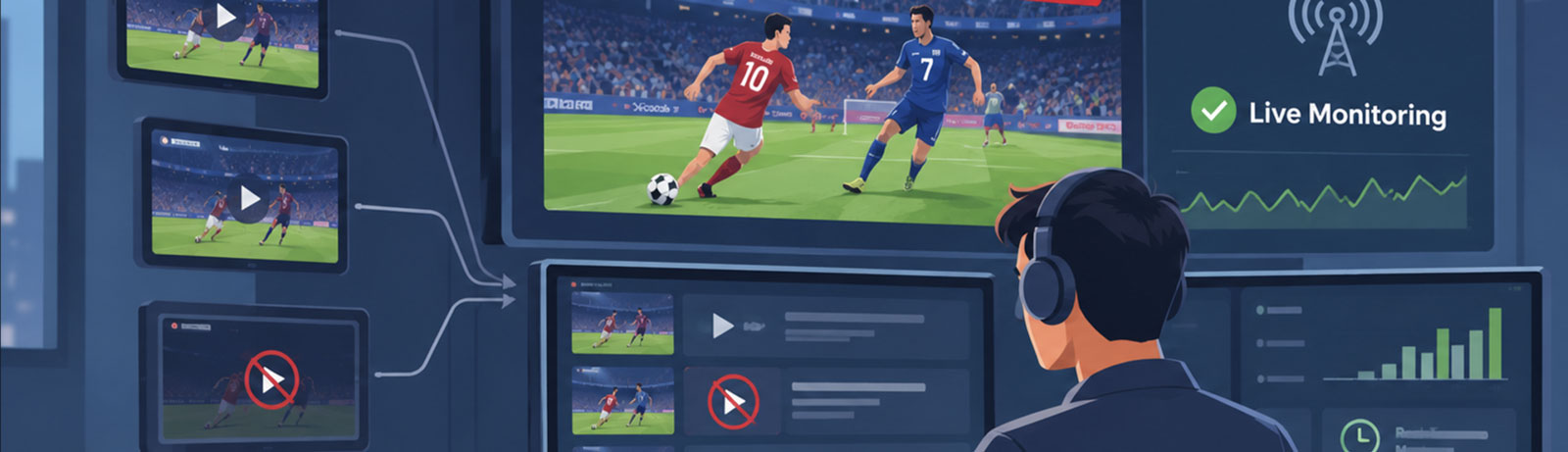
Real-time piracy detection helps rights holders identify suspected infringement while a broadcast is still underway. This allows monitoring teams to investigate potential violations and initiate appropriate reporting procedures sooner.
Another challenge is the speed at which pirated links spread. A stream shared on one website may quickly appear on social media, messaging channels, or alternative streaming platforms. Continuous monitoring helps identify these additional sources and supports a more coordinated enforcement response.
Early identification also helps rights holders prioritise high-impact streams based on factors such as audience reach, visibility, and the remaining duration of the event.
How Live Sports Piracy Monitoring Works
Effective live sports piracy monitoring involves identifying unauthorised streams across relevant digital platforms and supporting timely action against verified infringement.
1. Monitoring Multiple Digital Platforms
Monitoring activities can cover websites, social media platforms, messaging channels, and other digital sources where unauthorised sports streams may appear. This helps rights holders identify infringement beyond a single distribution channel.
2. Detecting and Verifying Suspected Streams
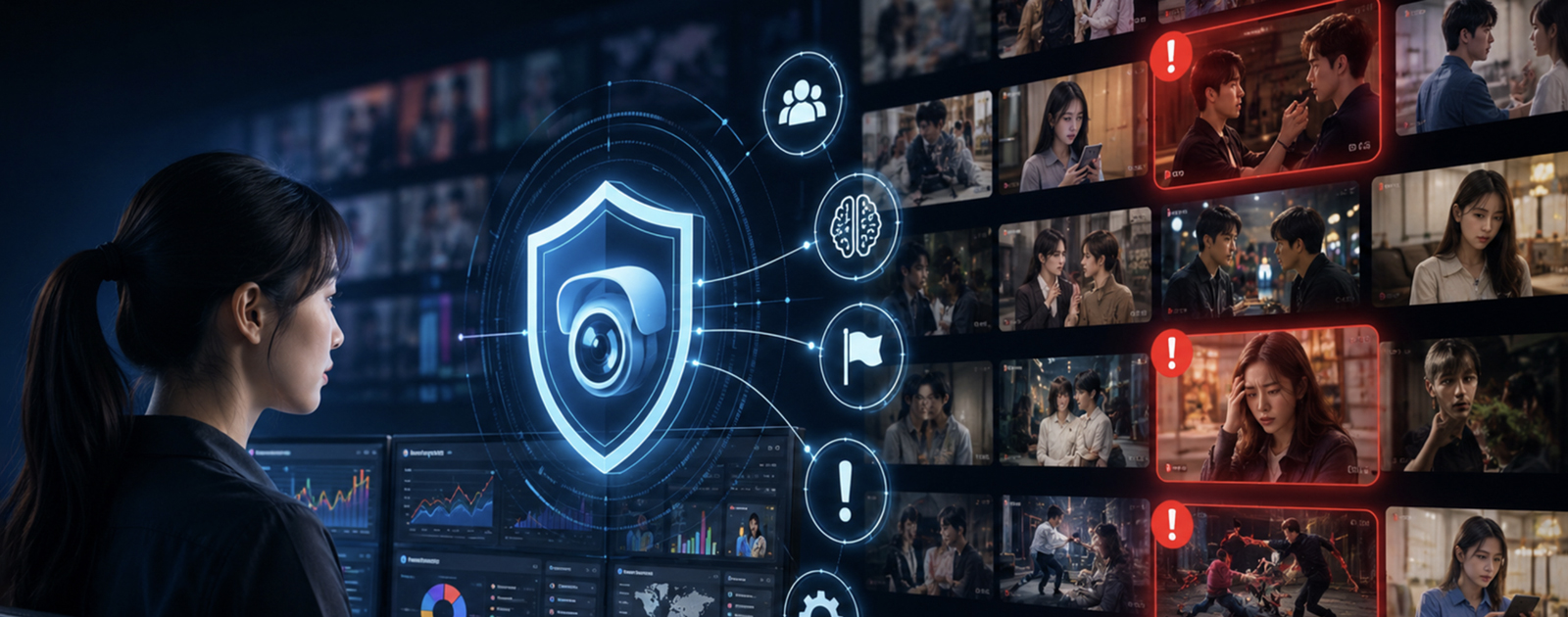
Automated detection technologies can help identify potential matches and suspicious streaming activity. Human reviewers can then assess the findings, verify suspected infringement, and gather the necessary evidence before enforcement action.
3. Coordinating Timely Takedowns
Once infringement is verified, appropriate reports and takedown requests can be submitted to the relevant platforms or service providers. The speed of the process depends on the platform’s procedures and response timelines.
4. Tracking Reuploads and Repeat Offenders
Removing one stream does not always end the infringement. The same content may reappear through replacement links, mirror websites, or repeat-offending channels. Follow-up monitoring helps identify these sources and supports further enforcement efforts.
Best Practices for Effective Sports Broadcast Protection
Broadcasters and rights holders can strengthen their sports broadcast protection strategies through a structured approach:
- Plan ahead: Schedule monitoring around major tournaments, high-value matches, and important broadcast windows.
- Prioritise high-impact streams: Focus on suspected infringement based on visibility, reach, and potential commercial impact.
- Establish clear reporting procedures: Maintain processes for verification, evidence collection, and takedown requests.
- Monitor after removal: Check for replacement links, reuploads, and recurring infringement.
- Combine technology with human expertise: Use automated detection alongside human verification to improve monitoring accuracy.
A consistent monitoring strategy helps rights holders respond to infringement more effectively throughout a sporting event.
How a Dedicated Anti-Piracy Partner Can Help
Managing live sports piracy across multiple digital platforms can be resource-intensive. A dedicated anti-piracy partner can support rights holders through continuous monitoring, infringement identification, human verification, and takedown coordination.
BLOCK X helps rights holders detect unauthorised content across digital platforms and take action against infringement. By combining technology-supported detection with human intervention, BLOCK X supports monitoring efforts, identifies repeat infringement, and helps rights holders strengthen their enforcement strategies.
Conclusion
Live sports piracy can affect broadcasting revenue, exclusive rights, and legitimate streaming services. Real-time piracy detection, continuous monitoring, and timely takedowns help rights holders respond to unauthorised streams while an event is still underway.
Contact BLOCK X today to strengthen your sports broadcast protection strategy, detect unauthorised live streams, and take action against live sports piracy.
Frequently Asked Questions (FAQs)
1. What is live sports piracy?
Live sports piracy is the unauthorised streaming, recording, retransmission, or distribution of sporting events without permission from the copyright or broadcasting rights holders.
2. Why is real-time monitoring important for preventing live sports piracy?
Real-time monitoring helps identify unauthorised streams while a sporting event is still happening. Early detection allows rights holders to verify infringement and initiate takedown requests before the stream reaches a wider audience.
3. Where does live sports piracy commonly occur?
Live sports piracy commonly occurs on illegal streaming websites, unauthorised IPTV services, social media platforms, messaging channels, and other digital distribution sources.
4. Can pirated sports streams reappear after a takedown?
Yes. Pirated streams may reappear through replacement links, mirror websites, or repeat-infringing channels. Continuous monitoring and follow-up enforcement help identify these sources.
5. How can broadcasters protect their content from live sports piracy?
Broadcasters can strengthen protection through continuous monitoring, real-time piracy detection, human verification, timely takedown requests, and tracking of repeat infringers. Working with a dedicated anti-piracy service provider can also support these efforts.
Recent Blogs