We are innovative, ambitious and ready for challenges! Hire Us




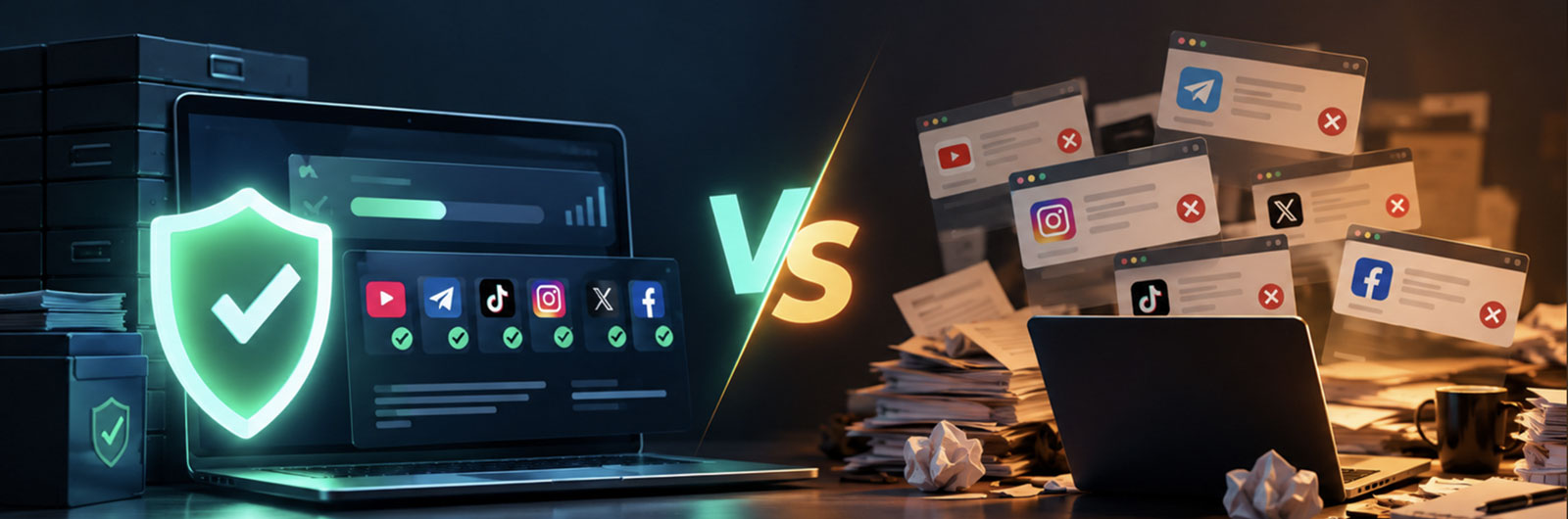
Content Takedown Service vs DIY Reporting: Which Is More Effective?
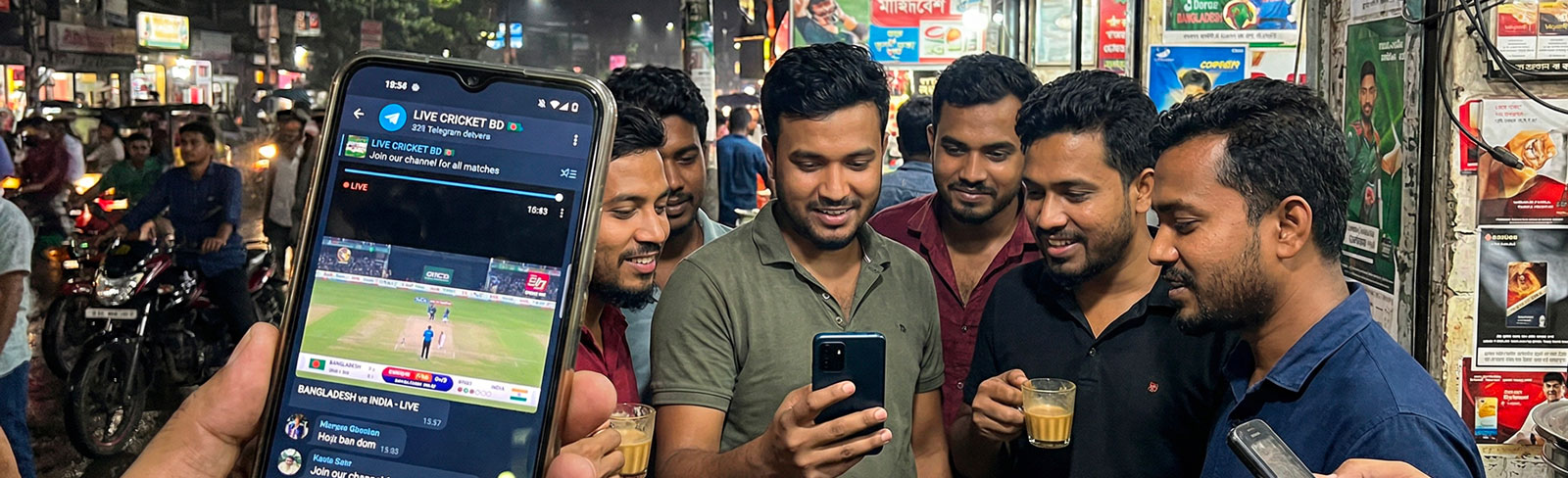
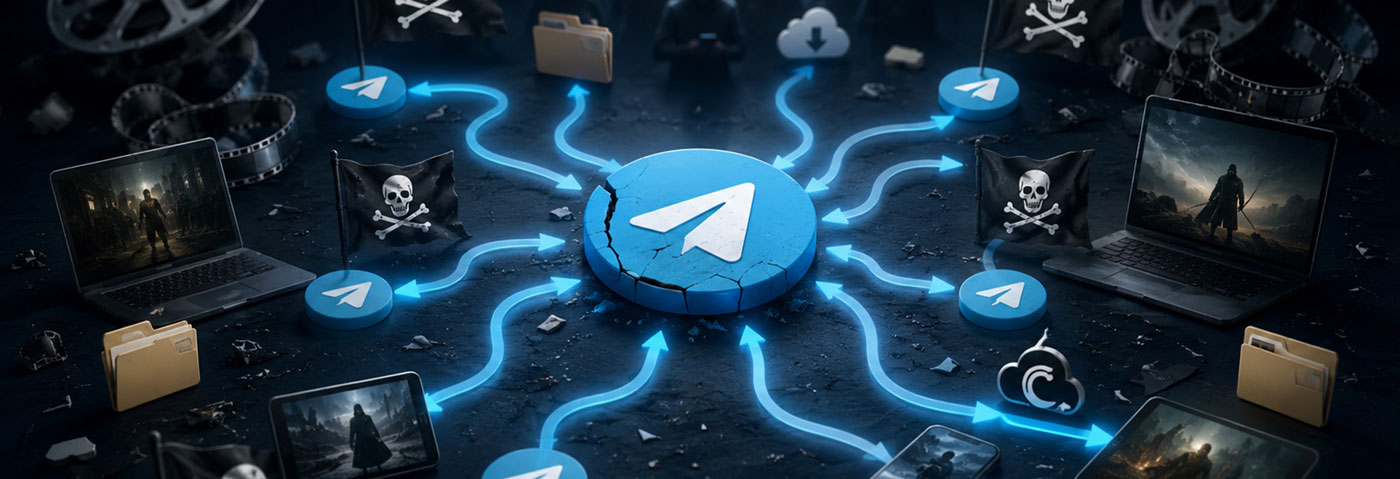
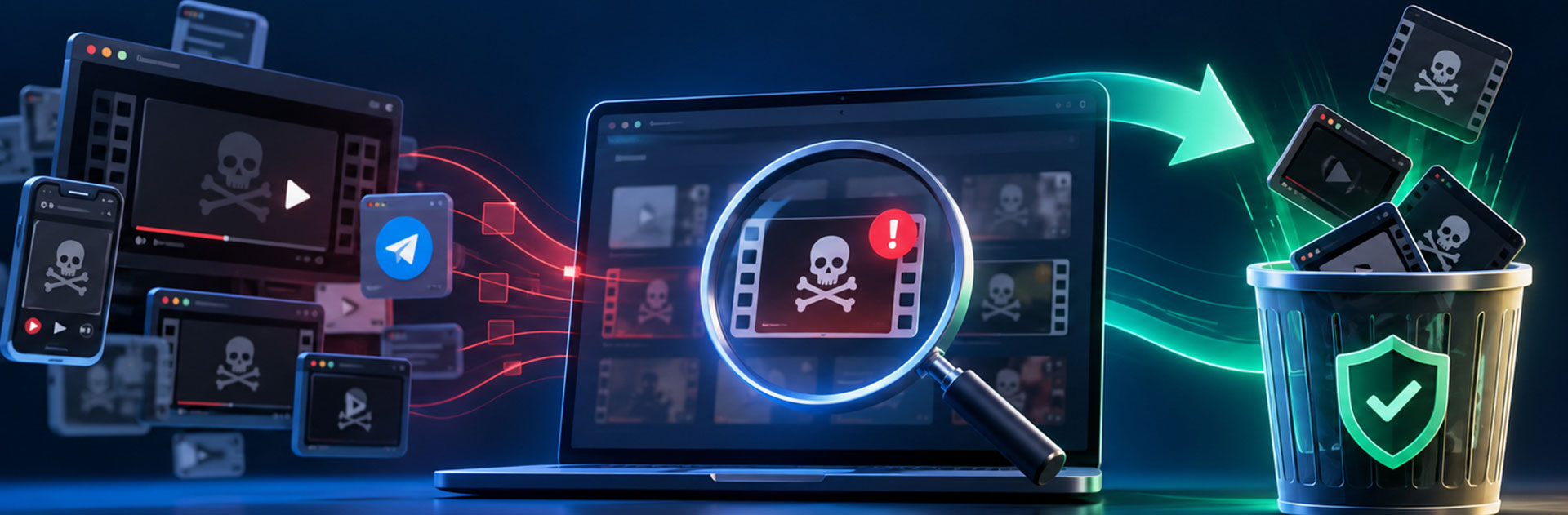
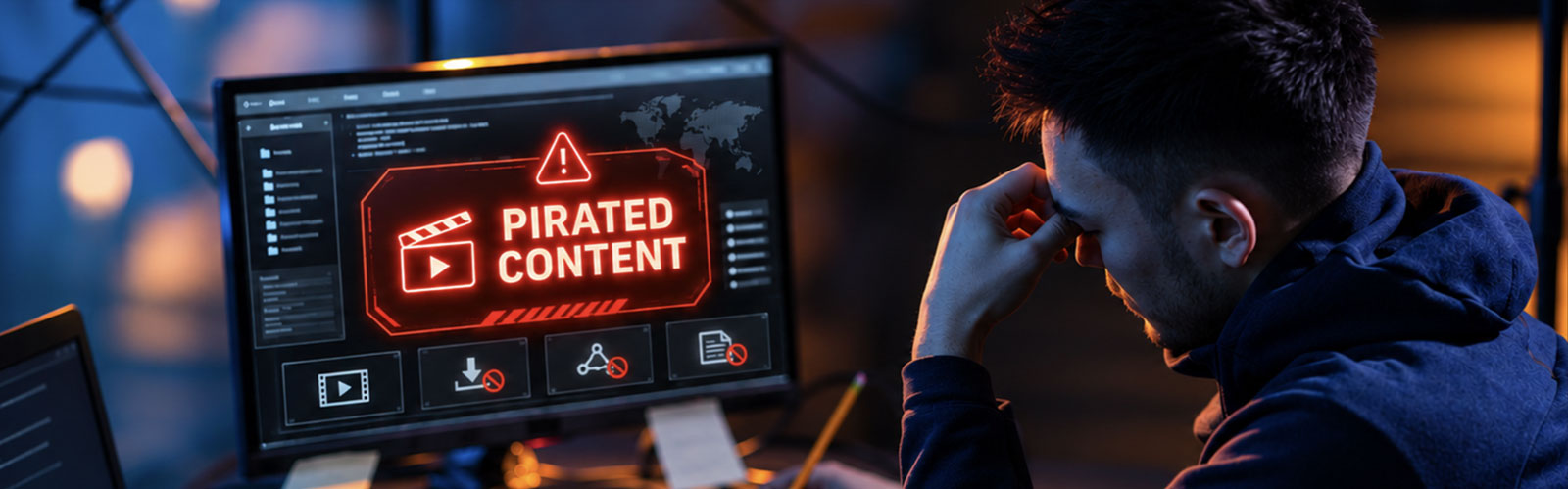
The growing distribution of unauthorised content across websites, social media platforms, messaging apps, and piracy portals has made copyright protection increasingly challenging for content owners. From leaked movies and television shows to unauthorised reposts of digital content, online infringement can affect revenue, audience reach, and brand reputation.
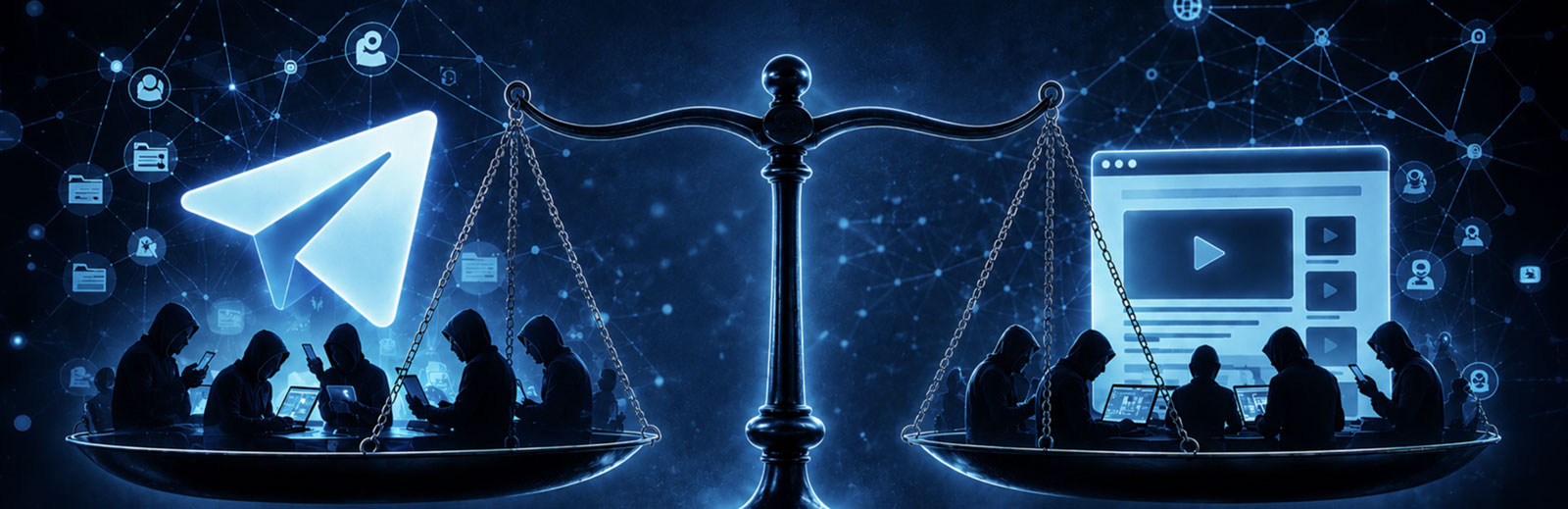
When copyrighted content appears online, rights holders generally have two options: handle copyright reporting internally or engage a professional content takedown service. Both approaches can help address infringement, but their effectiveness depends on the scale of piracy, available resources, and the need for ongoing monitoring.
Understanding DIY Copyright Reporting
DIY copyright reporting involves identifying infringing content and submitting removal requests directly to the relevant platforms. Content owners or their internal teams must locate unauthorised copies, gather supporting evidence, complete reporting forms, and monitor each complaint’s progress.
This approach can be effective when infringement is occasional and limited to a small number of URLs. It also gives rights holders direct control over the reporting process without requiring them to engage an external service provider.
However, the process becomes increasingly demanding as infringement volumes grow. Repeated submissions, platform-specific reporting requirements, delayed responses, and manual follow-ups can consume significant time and internal resources. Tracking recurring infringements across multiple platforms can also become difficult without dedicated systems and personnel.
Understanding Professional Content Takedown Services
A professional content takedown service helps rights holders manage online infringement through structured identification, reporting, and follow-up processes. Depending on the provider, these services may include:
- Automated detection
- Evidence collection
- URL validation
- Platform coordination and centralised reporting.
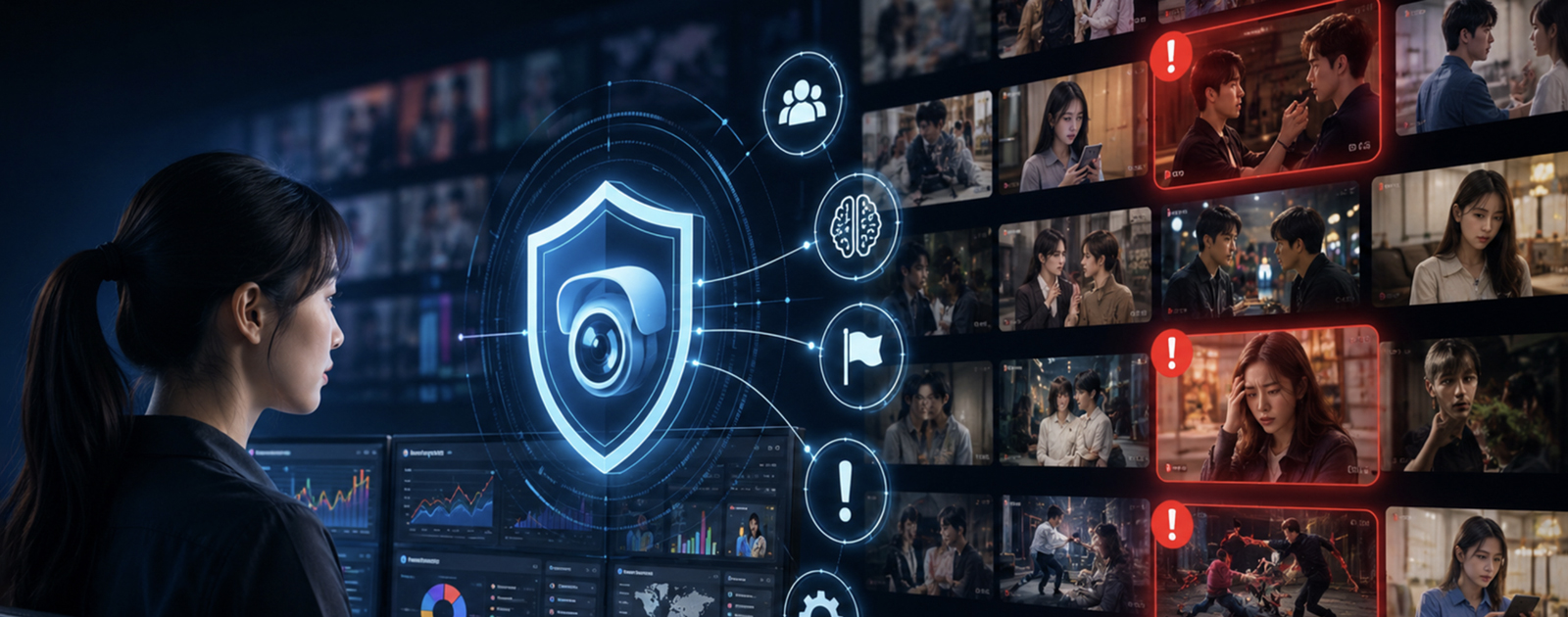
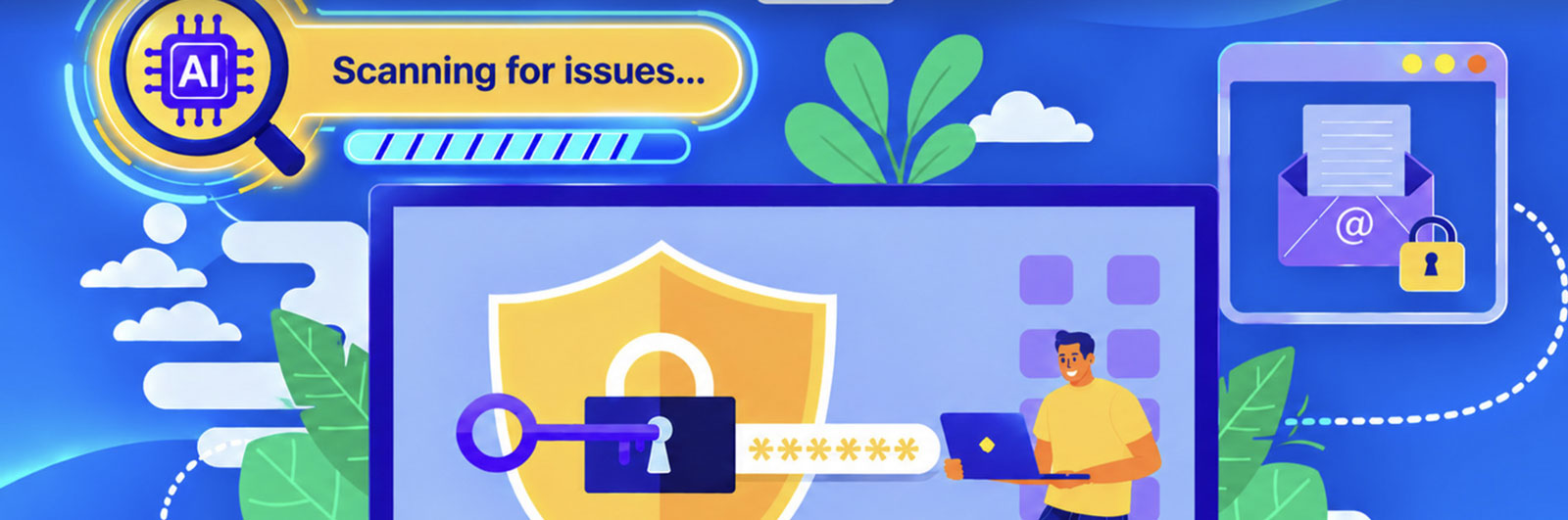
By combining technology with operational expertise, professional providers can help businesses manage larger volumes of infringement without placing the entire workload on internal teams. Automated workflows can streamline repetitive tasks, while human intervention supports evidence verification and the handling of complex cases.
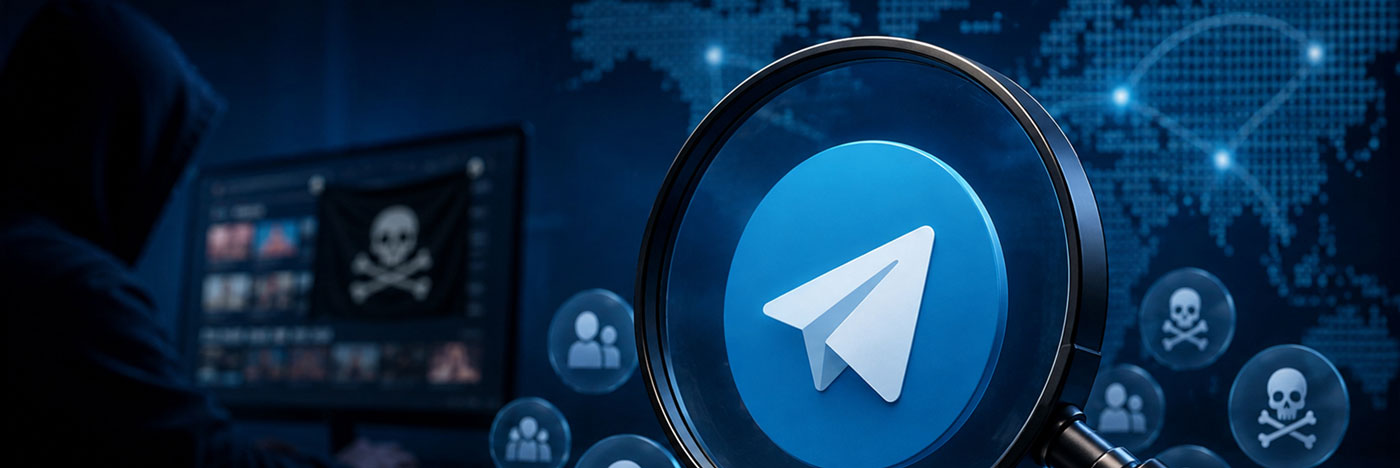
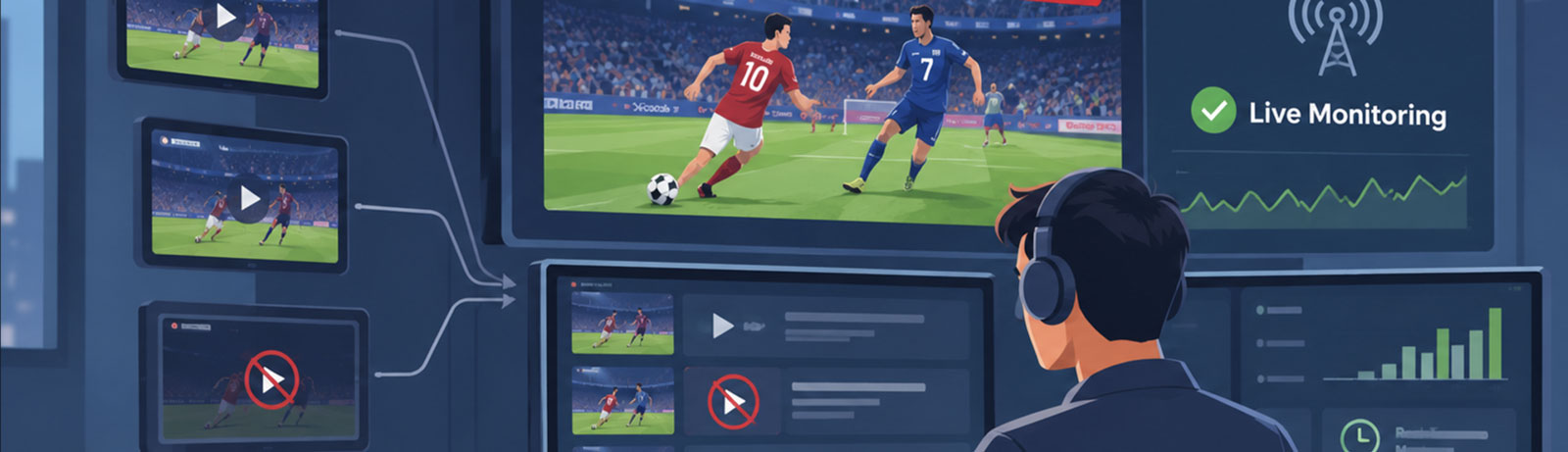
BLOCK X combines AI-powered detection with human expertise to help rights holders identify and address unauthorised content across online platforms. This approach supports more organised takedown operations, particularly when piracy is persistent or distributed across multiple sources.
Content Takedown Service vs DIY Reporting: Key Differences
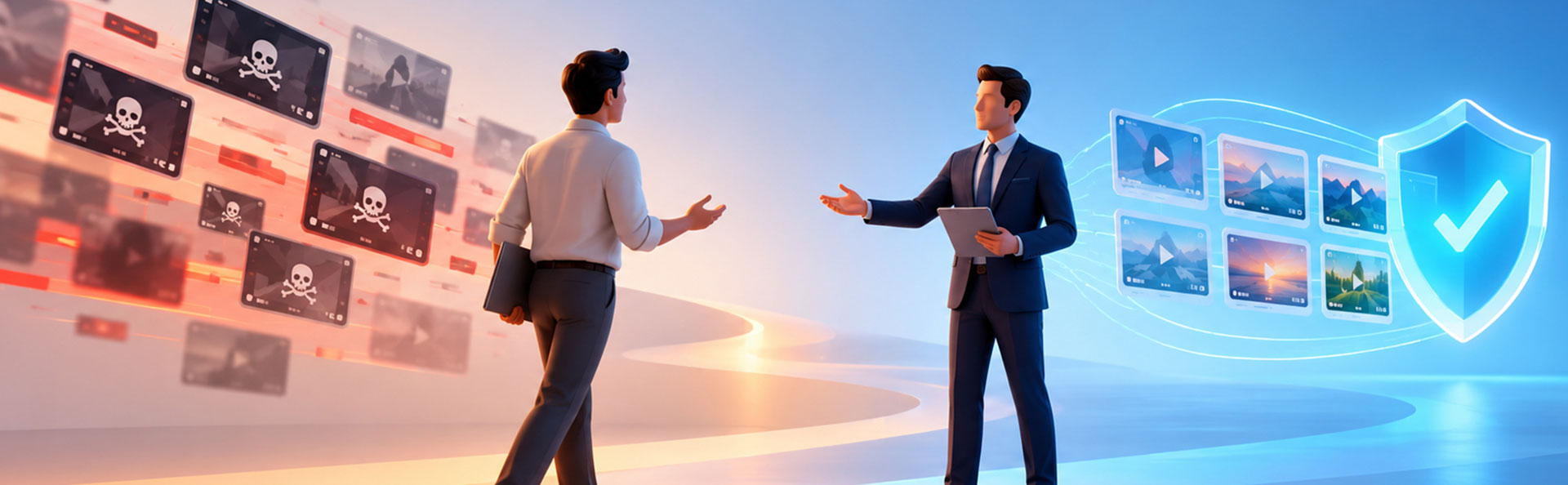
The primary difference between DIY copyright reporting and a professional content takedown service lies in the resources, processes, and scale involved.
Efficiency and workload: DIY reporting requires internal teams to manage each stage of the process, from identifying infringing URLs to following up on complaints. Professional services can streamline these activities through established workflows and automation, reducing repetitive manual work.
Scalability: A manual approach may be manageable when only a few infringements occur. However, when unauthorised content appears across multiple websites, social media accounts, and piracy platforms, the workload can increase rapidly. Professional services are generally better equipped to support high-volume operations.
Monitoring and follow-ups: Submitting a copyright complaint does not guarantee immediate removal or prevent the content from reappearing. Effective enforcement requires tracking complaint outcomes, identifying repeat infringements, and taking further action where appropriate. Dedicated services can help establish a more consistent process for these activities.
Operational resources: DIY reporting avoids external service fees but still requires employee time, platform knowledge, and internal processes. A professional service introduces a separate service cost while potentially reducing the operational burden on internal teams.
Neither approach guarantees successful removal in every case. Outcomes depend on the quality of the evidence, applicable copyright rules, platform policies, and the circumstances of each infringement.
When Should You Choose DIY Reporting or a Professional Service?
DIY copyright reporting can be suitable for content owners dealing with occasional infringements who have the time and expertise to manage complaints internally. It can also serve as a practical starting point for businesses assessing their copyright enforcement requirements.
A professional content removal service becomes more relevant when infringement is frequent, content is distributed across several platforms, or internal teams struggle to manage reporting and follow-ups consistently. Businesses protecting large content libraries may also benefit from structured monitoring and repeat-infringer management.
The decision should be based on:
- Infringement volume
- The operational resources available
- The business impact of piracy and
- The level of ongoing protection required
Rather than evaluating only the immediate cost, rights holders should consider the time and resources needed to sustain an effective enforcement process.
How Automated Takedown Workflows Improve Piracy Removal
Automation can improve the efficiency of piracy removal by streamlining repetitive tasks such as processing identified URLs, organising evidence, tracking complaint statuses, and managing reporting workflows. These capabilities help teams handle larger volumes of cases more systematically.
However, automation alone is not enough. Human review remains important for validating evidence, assessing complex cases, and addressing platform-specific requirements. A combination of automated workflows and expert intervention can support a more reliable and scalable approach to copyright enforcement.
BLOCK X supports rights holders through technology-driven detection and coordinated takedown operations, helping them address online infringement across relevant platforms. Continued monitoring and follow-up are also important for identifying recurring violations and responding to newly discovered unauthorised copies.
Conclusion
DIY copyright reporting can be effective for isolated infringements, while a professional content takedown service may offer greater efficiency and scalability when piracy becomes frequent or widespread. The right approach depends on the volume of infringement, available resources, and long-term content protection objectives. Contact BLOCK X, top anti-piracy company in Asia today to safeguard your content with professional content takedown and anti-piracy solutions.
Recent Blogs