We are innovative, ambitious and ready for challenges! Hire Us







How a Content Takedown Service Handles Repeat Copyright Infringers
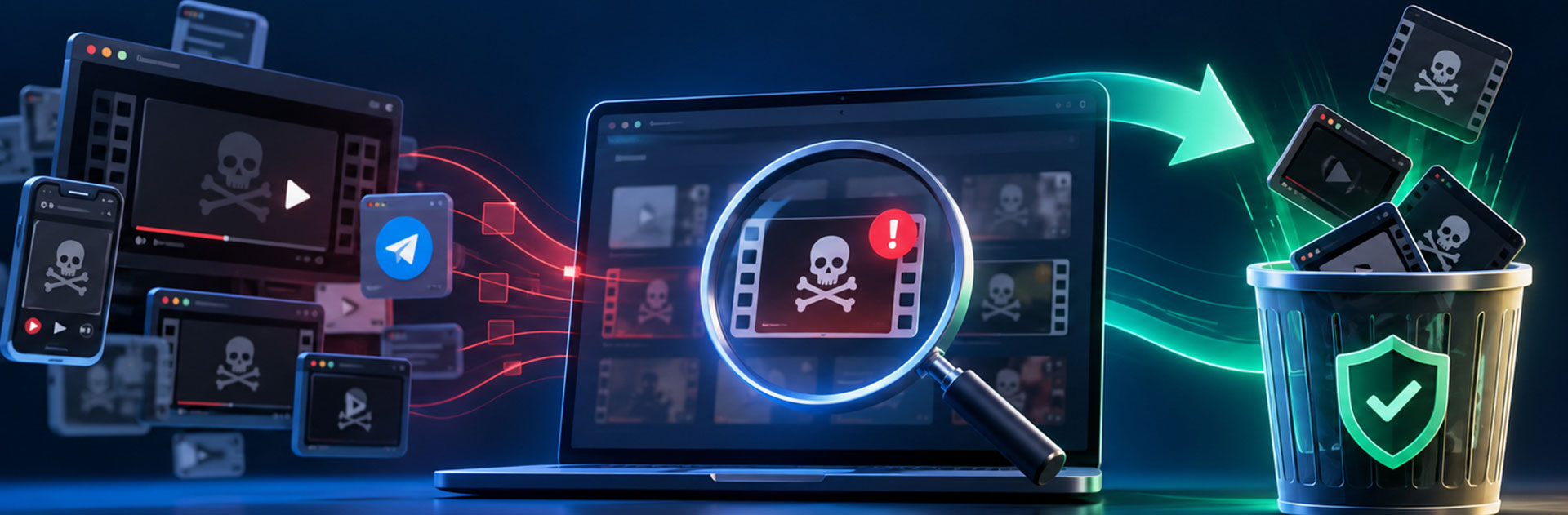
Repeat copyright infringement remains a persistent challenge for content owners across websites, social media platforms, messaging applications, and piracy portals. Even after infringing material is removed, the same content may reappear through new URLs, accounts, or channels. Individual removal requests alone may not address this recurring activity.
A professional content takedown service helps rights holders identify repeated violations, coordinate enforcement, and monitor infringement patterns. This approach supports a more structured strategy for protecting intellectual property and reducing recurring piracy.
Understanding Repeat Copyright Infringement
Repeat copyright infringement occurs when copyrighted material is repeatedly distributed without authorisation. This can include films, television episodes, music, books, and live sports broadcasts shared through unauthorised websites, applications, or social media accounts.
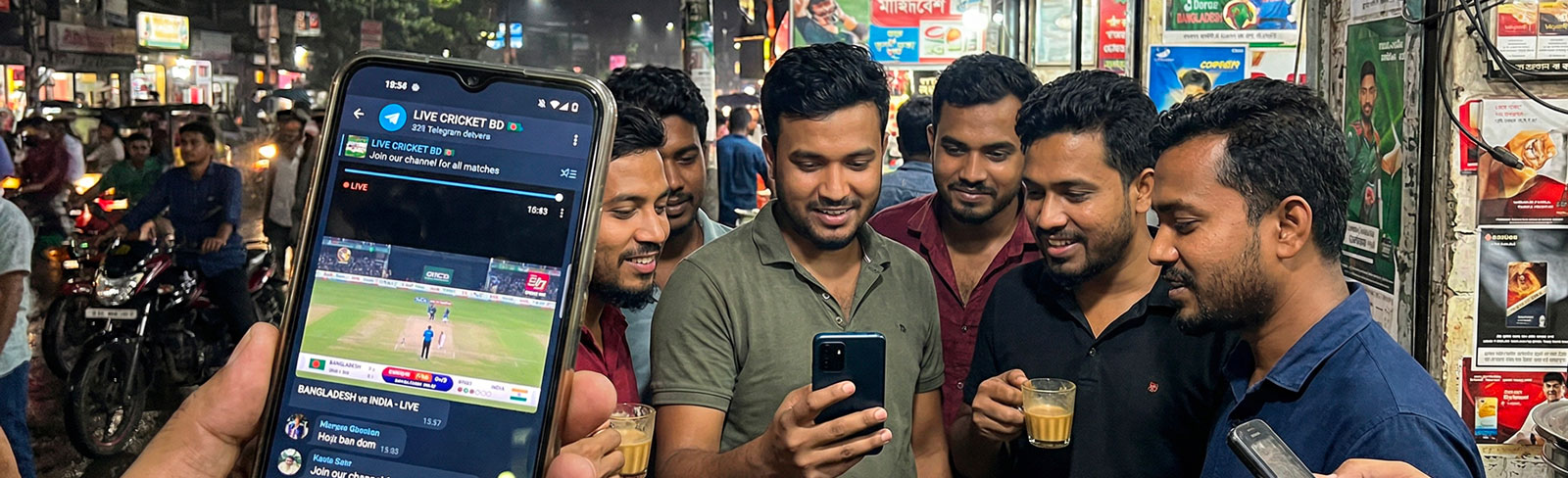
Infringers may repost removed videos under different titles, create duplicate webpages, change file names, or establish new accounts to continue distributing protected content. Messaging platforms may also facilitate piracy through channels, groups, and automated bots.
These activities can affect legitimate distribution, reduce potential revenue, and increase enforcement costs. Identifying every new occurrence manually becomes particularly challenging when content owners manage extensive libraries across multiple platforms.
Effective copyright enforcement therefore requires continuous monitoring and the ability to recognise recurring infringement patterns.
How a Content Takedown Service Identifies Repeat Infringers
Identifying repeat infringers requires systematic monitoring, accurate content matching, and evidence-based assessment.
Continuous Monitoring and AI-Powered Detection
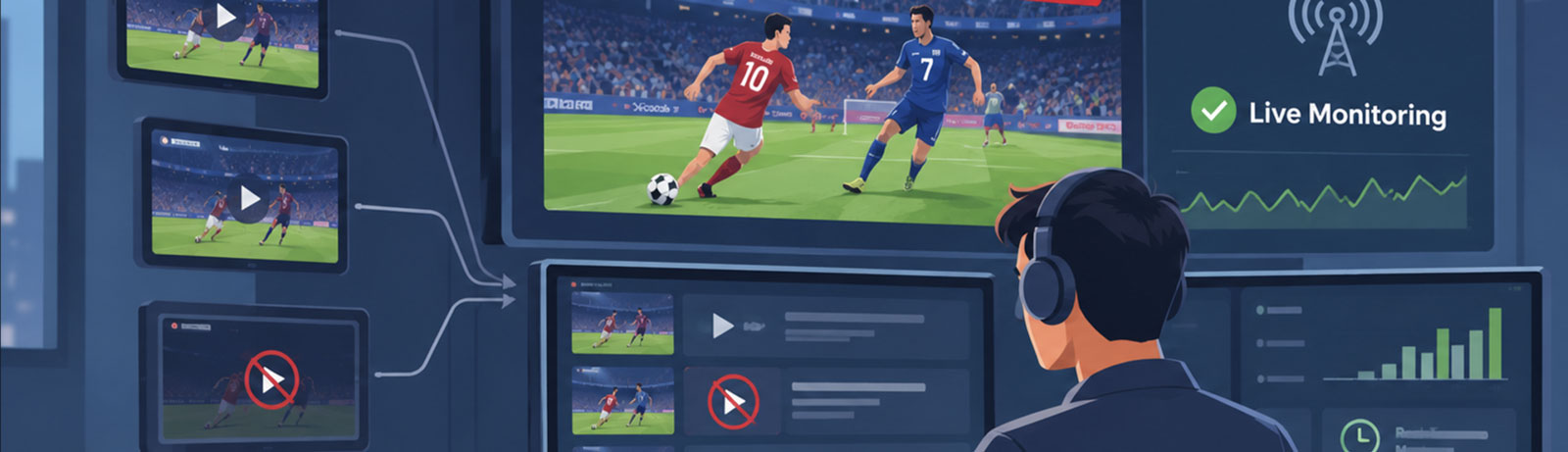
AI-powered detection systems help scan relevant online sources for potentially infringing material. Depending on their capabilities, these systems can identify matching videos, repeated uploads, suspicious links, and variations in content titles.
Continuous monitoring is essential because infringing material can reappear shortly after removal. Identifying new instances promptly enables rights holders to initiate further enforcement without relying entirely on manual searches.
Tracking URLs, Accounts, and Channels
URL tracking helps identify previously reported links and new locations where the same content appears. Account and channel analysis can reveal recurring distribution patterns and potential connections between infringement incidents.
However, similar content or account names alone do not establish common ownership. Reliable repeat-offender identification depends on verifiable evidence and relevant platform information.
Human Verification
Human verification helps assess automated detections, confirm potential infringement, and validate supporting evidence. This additional review improves accuracy and helps prevent legitimate content from being incorrectly reported.
The Process of Handling Repeat Copyright Infringers
A structured enforcement process helps content owners manage recurring violations effectively.
1. Detection and evidence collection: Specialists identify suspected infringement and document relevant details, including URLs, screenshots, account information, and the copyrighted work involved. Organised records support subsequent complaints and escalation.
2. Copyright takedown requests: Appropriate notices are submitted to relevant platforms or hosting providers, following their reporting procedures and applicable requirements.
3. Removal tracking and follow-ups: Each request is monitored to record acknowledgements, decisions, pending cases, and rejected complaints. Follow-ups help address unresolved cases and identify recurring enforcement challenges.
4. Repeat-offender identification: Historical records are compared with new detections to identify recurring URLs, accounts, channels, or distribution patterns. Where evidence supports a connection, related incidents can be managed as part of a broader enforcement effort.
5. Escalation and further action: Persistent infringement may require additional platform escalation or appropriate legal remedies. Rights holders can determine the next steps based on available evidence and applicable legal requirements.
Why Individual Content Removal Is Not Always Enough
Removing one infringing URL addresses a specific instance but may not prevent further distribution. Infringers can upload the same material elsewhere, modify titles, switch domains, or distribute replacement links through additional channels.
Treating every occurrence as an isolated case can lead to duplicated work, repeated complaints, and limited visibility into persistent infringement. A coordinated piracy takedown strategy connects historical records with current monitoring, helping enforcement teams prioritise recurring threats and evaluate outcomes.
Continuous monitoring also reveals emerging distribution patterns, enabling content owners to adapt their enforcement strategies as infringement methods change.
How BLOCK X Supports Repeat Infringer Management
BLOCK X combines AI-powered detection with human intervention to help rights holders identify and address recurring piracy. Its monitoring capabilities support the identification of potentially infringing material across relevant online sources, including websites, social media platforms, and messaging applications.
By analysing recurring infringement patterns, BLOCK X helps identify repeated uploads and monitor sources distributing unauthorised content. Where evidence supports the connection, channel-level action can help address repeat offenders rather than treating every infringing link as an isolated incident.
BLOCK X also coordinates takedown requests and tracks their progress, supporting follow-ups when content remains accessible or reappears. Structured reporting provides visibility into identified infringements, removal outcomes, and ongoing enforcement requirements.
This combination of technology, verification, and coordinated enforcement helps content owners manage repeat copyright infringement more systematically.
Conclusion
Repeat copyright infringement requires continuous monitoring rather than one-time content removal. As infringers change URLs, create new accounts, and redistribute unauthorised material, rights holders need reliable evidence and coordinated enforcement to protect their intellectual property.
A professional content takedown service brings detection, verification, removal tracking, and repeat-offender identification together to strengthen copyright enforcement.
Contact BLOCK X, a top anti-piracy company in India today, to safeguard your intellectual property through proactive monitoring, coordinated piracy takedowns, and professional content protection solutions.
Recent Blogs