We are innovative, ambitious and ready for challenges! Hire Us






How Fast Should a Content Takedown Service Remove Pirated Content?
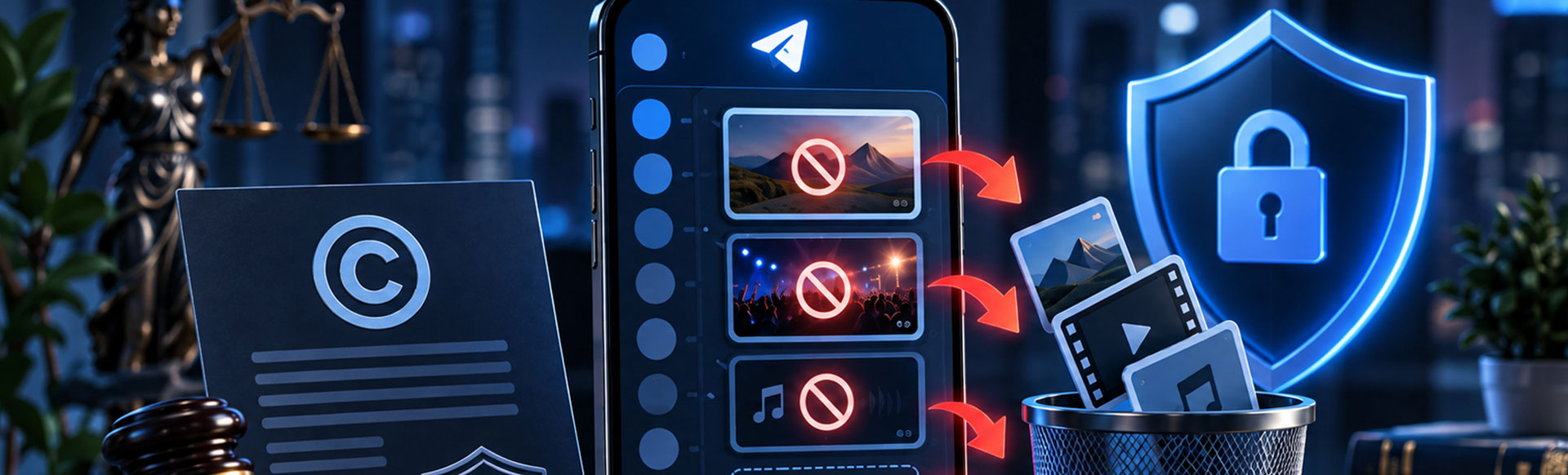
Content takedown response time plays a critical role in protecting copyrighted material from online piracy. The longer pirated content remains accessible, the greater its potential to affect revenue, audience engagement, and legitimate distribution channels. Content owners need an efficient enforcement process to identify unauthorised material and initiate removal requests as quickly as possible.
A professional content takedown service helps rights holders identify unauthorised content and initiate enforcement quickly. However, the actual removal timeline depends on several factors, including platform policies, evidence requirements, and the complexity of each case. Understanding these factors helps content owners establish realistic expectations and strengthen their anti-piracy strategies.
What Determines Content Takedown Response Time?
There is no universal timeframe for removing pirated content. Different platforms follow different reporting procedures, verification requirements, and enforcement policies.
Social media platforms may offer dedicated copyright reporting mechanisms, while websites and hosting providers may require formal notices containing specific information. The completeness of the complaint, the clarity of the evidence, and the nature of the infringement can all influence how quickly a request is processed.
The scale of infringement also matters. Removing a single unauthorised video may involve fewer steps than addressing piracy distributed across multiple domains, accounts, or streaming portals. Consequently, takedown response time depends on both the platform’s processes and the effectiveness of the enforcement workflow.
How Quickly Can a Content Takedown Service Act?
A content takedown service can accelerate several stages of enforcement, even though it cannot guarantee when a platform will complete the removal.
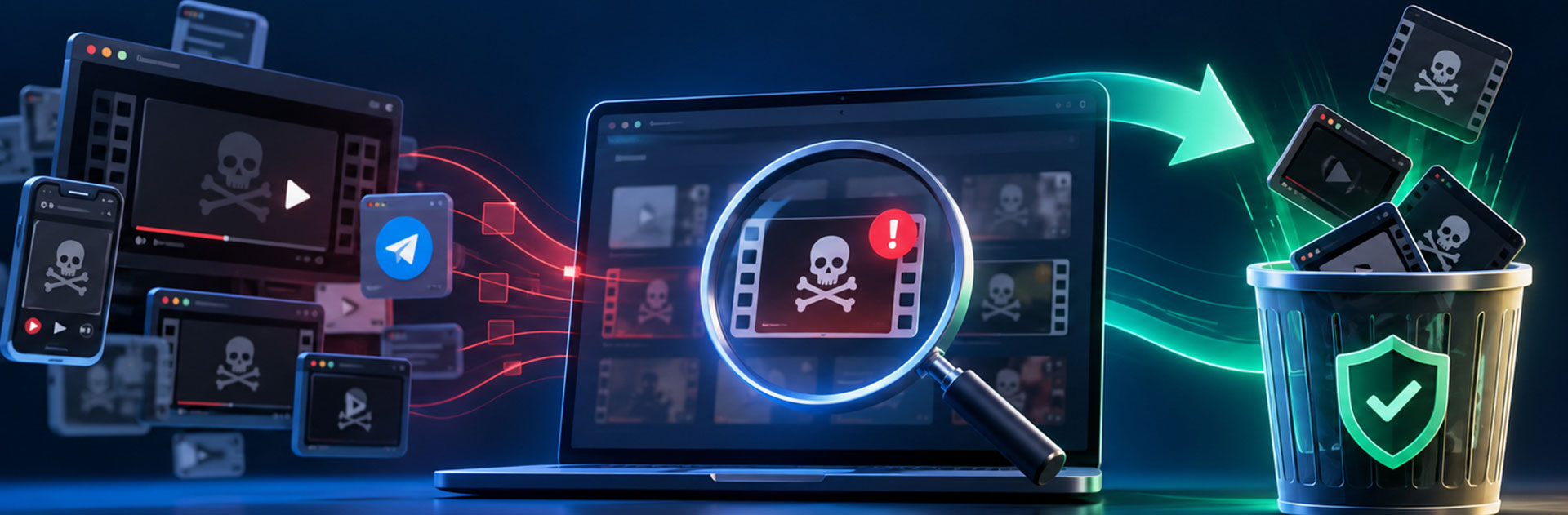
Detection and identification: Automated monitoring and AI-powered tools help identify potentially infringing content across relevant online sources. Early detection allows enforcement teams to act before piracy spreads further.
Evidence collection and verification: Specialists validate potential infringement and gather relevant information, including URLs, screenshots, and copyright ownership details. Accurate documentation helps reduce avoidable delays caused by incomplete submissions.
Takedown request submission: Once the infringement is verified, the service submits an appropriate copyright takedown notice through the relevant reporting channel. Prompt, complete submissions help move cases into the platform’s review process efficiently.
Platform review and removal: The receiving platform evaluates the complaint according to its procedures and applicable requirements. Removal may occur quickly in some cases, while others require additional verification or clarification.
The key distinction is between how quickly a service detects and reports infringement and how quickly the receiving platform acts.
Why Fast Content Removal Matters
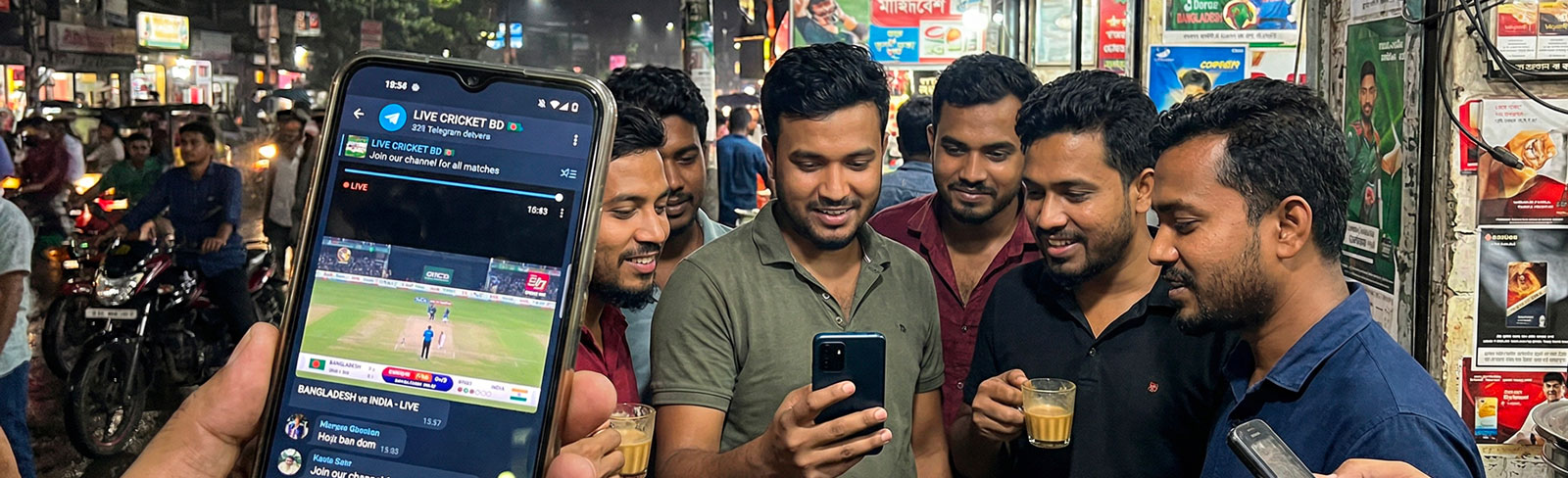
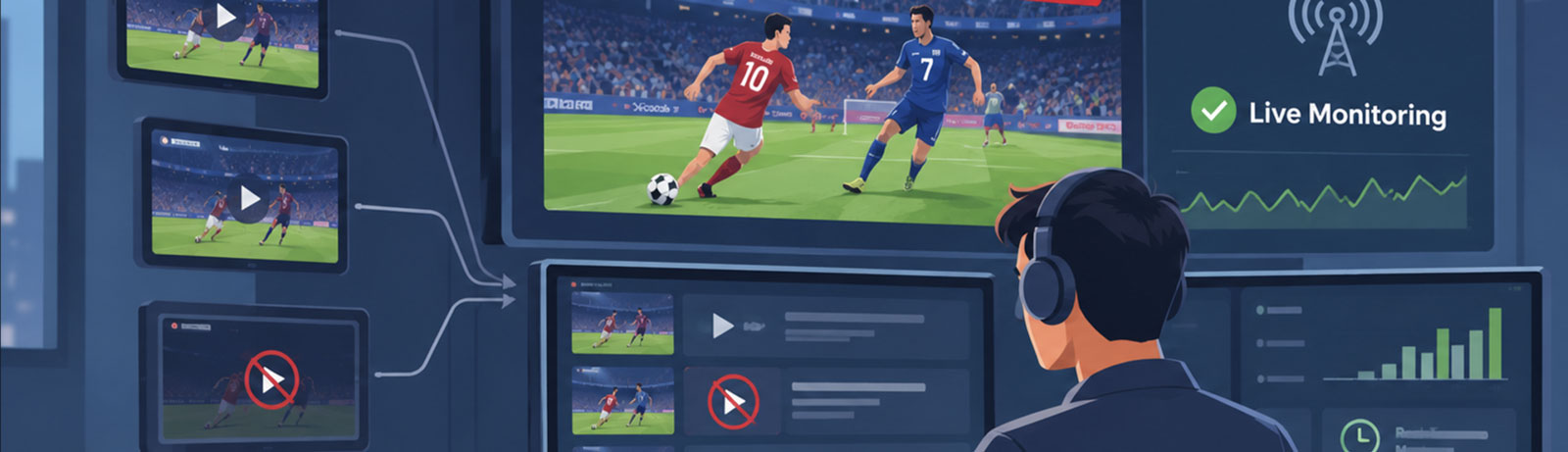
Speed is particularly important when pirated material has a limited commercial window. During live sports broadcasts, film premieres, and new OTT releases, unauthorised distribution can compete directly with legitimate viewing options while the content is in high demand.
Early intervention can help limit the period during which pirated material remains accessible. It can also reduce opportunities for infringing links to circulate across social media, search results, and other distribution channels.
For content owners, fast content removal is therefore not simply an operational advantage. It is an important part of protecting distribution rights, preserving commercial value, and maintaining control over copyrighted material.
Common Reasons for Delayed Copyright Takedowns
Several challenges can slow down copyright enforcement.
- Incomplete reports: Missing URLs, insufficient evidence, or unclear ownership information may require corrections or additional documentation.
- Platform review procedures: Each platform has its own processes, which can affect response times.
- Widespread distribution: Pirated content may appear simultaneously across numerous websites, accounts, and hosting providers.
- Repeated uploads: Infringers may repost removed material using new URLs or accounts, creating additional enforcement work.
- Identification challenges: Determining the appropriate platform, hosting provider, or reporting channel may require further investigation.
Addressing these challenges through accurate reporting and organised monitoring helps improve enforcement efficiency.
How to Improve Takedown Response Time
Content owners can strengthen their enforcement processes through a few practical measures.
1: Implement continuous monitoring to identify pirated content as early as possible.
2: Maintain organised copyright ownership records and evidence to support accurate complaints.
3: Prioritise high-impact infringements, particularly those affecting live events or newly released content.
Automation can streamline repetitive detection and reporting tasks, while human verification helps ensure that complaints are accurate. Finally, track every submitted request, follow up on pending cases, and monitor whether removed content reappears elsewhere.
These practices create a more coordinated approach to copyright enforcement and help teams respond efficiently as piracy patterns change.
How BLOCK X Supports Faster Piracy Takedowns
BLOCK X combines AI-powered detection with human intervention to help content owners identify and address online piracy. Its monitoring and enforcement approach supports the identification of potentially infringing material across relevant digital platforms.
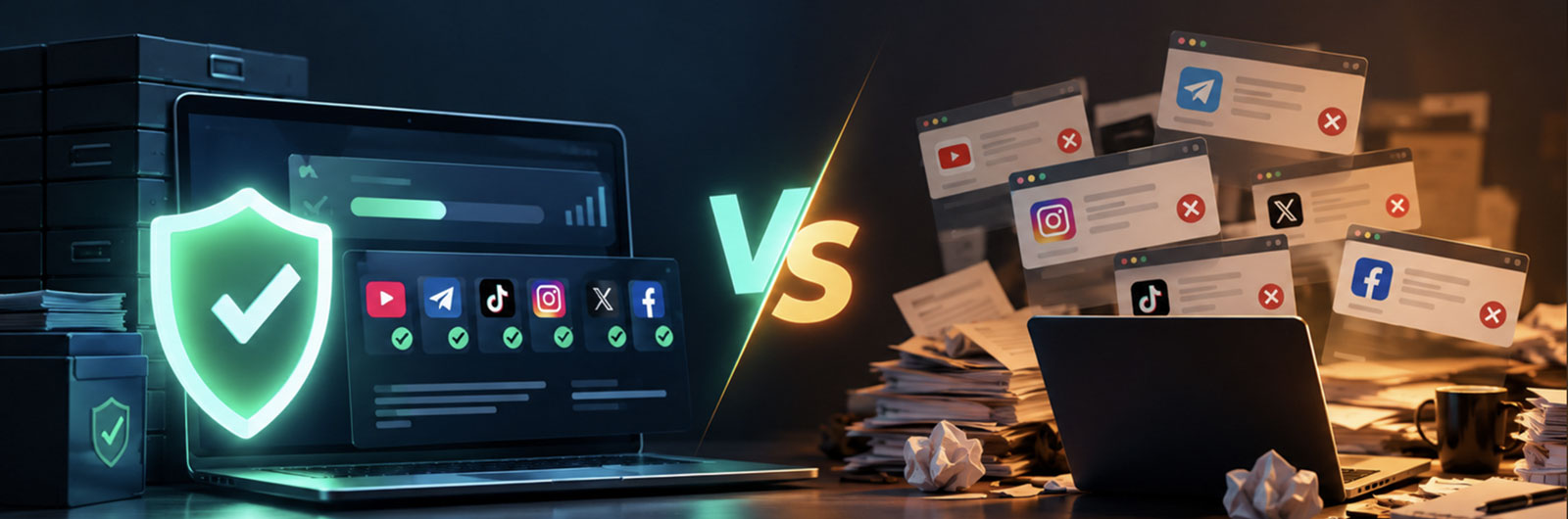
By streamlining detection, evidence verification, and takedown coordination, BLOCK X helps rights holders initiate enforcement without unnecessary operational delays. Structured reporting and follow-ups also provide visibility into submitted requests, removal outcomes, and unresolved cases.
Since pirated content can reappear after removal, continuous monitoring remains essential. BLOCK X supports a proactive approach that helps content owners identify recurring infringement and maintain consistent enforcement efforts.
Conclusion
Effective copyright enforcement depends on early detection, accurate reporting, and consistent follow-ups. While no content takedown service can guarantee immediate removal in every case, a well-coordinated approach can reduce avoidable delays and help limit the spread of pirated content.
BLOCK X, one of India’s leading anti-piracy companies, helps rights holders strengthen their content protection strategies through proactive monitoring and coordinated takedown operations. Contact BLOCK X today to safeguard your intellectual property and respond more effectively to online piracy.
Recent Blogs