We are innovative, ambitious and ready for challenges! Hire Us






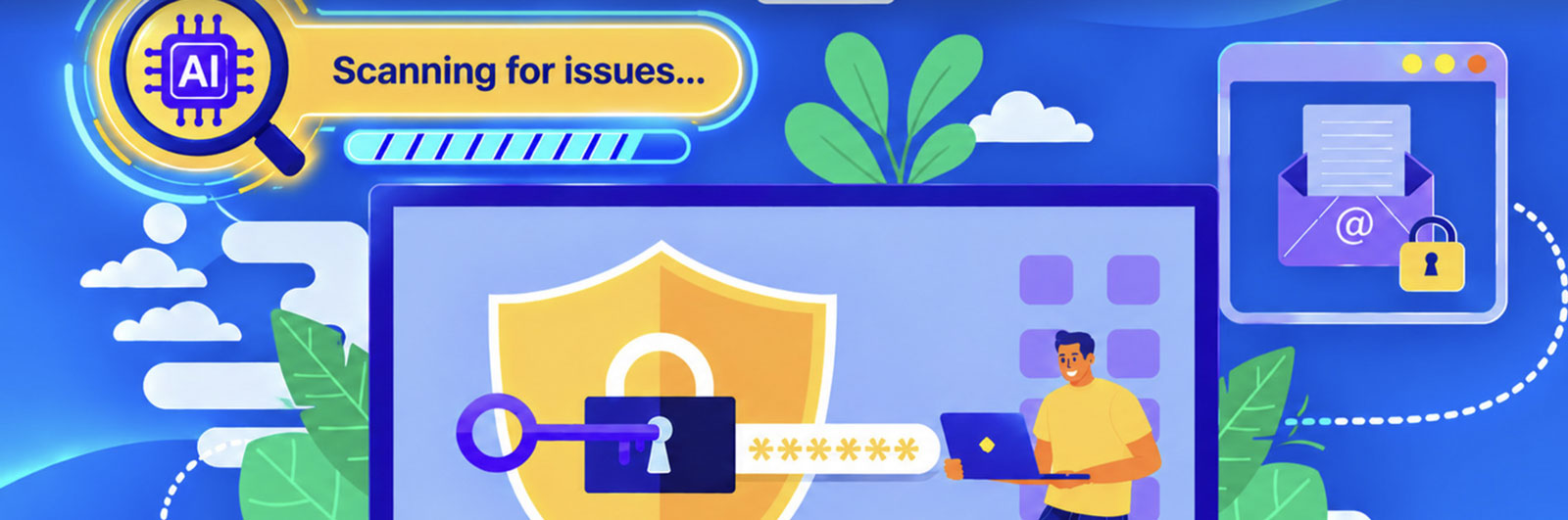
AI-Powered Piracy Detection: How Technology Is Changing Content Protection
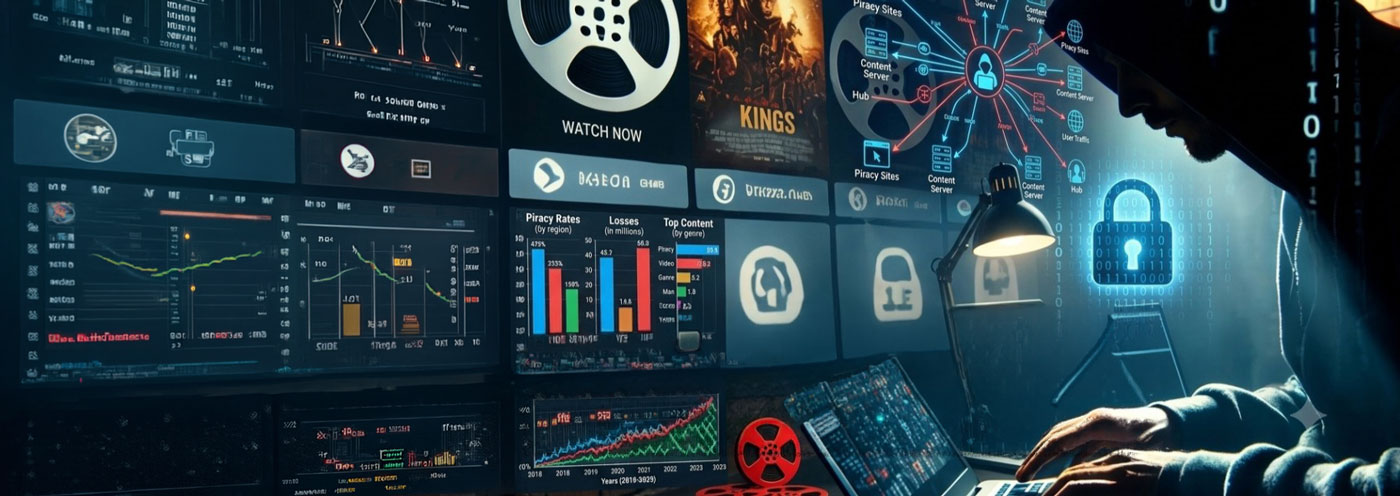
The rapid growth of digital streaming, online publishing, and social media has made content distribution easier than ever. However, it has also created new challenges for copyright owners as movies, web series, music, and other digital assets are copied and shared without permission. Identifying these infringements manually can be time-consuming, particularly when pirated content appears across multiple websites and platforms.
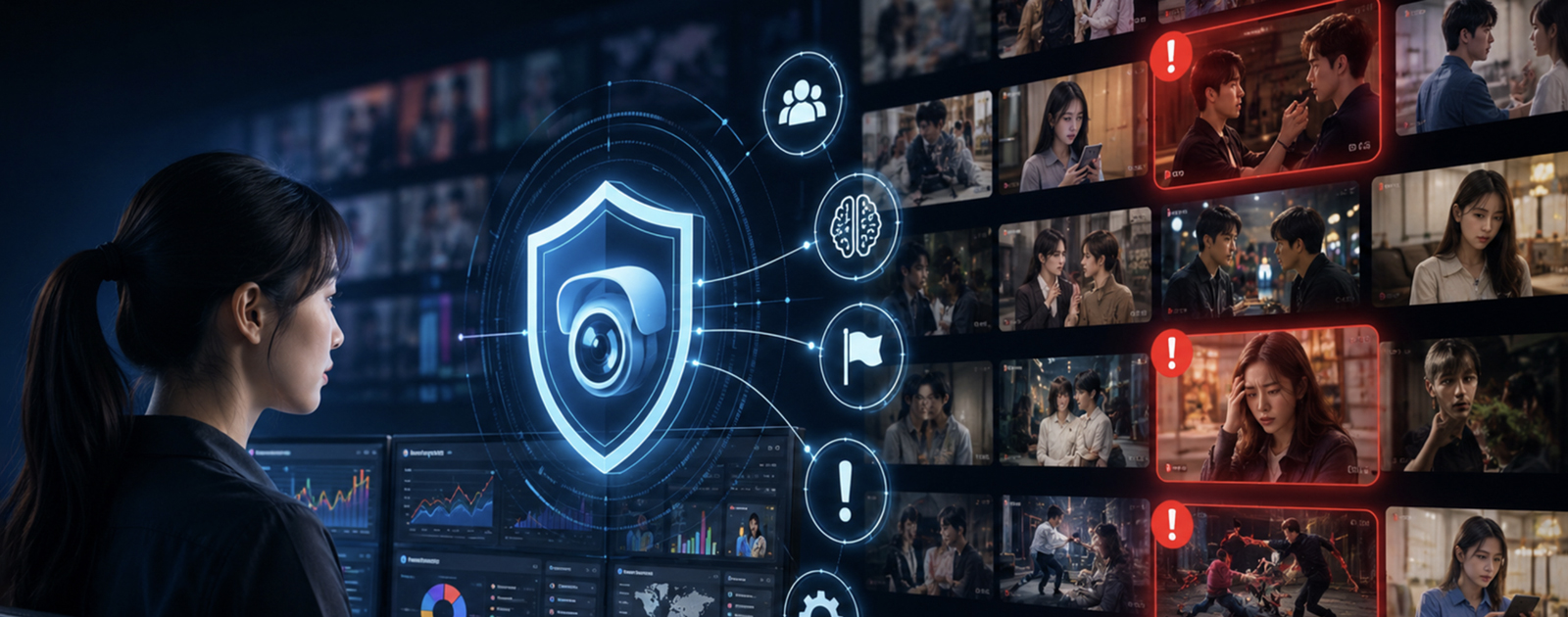
AI piracy detection is changing how businesses identify and address these threats. By analysing digital content, recognising patterns, and automating parts of the monitoring process, artificial intelligence helps rights holders improve visibility into online piracy and respond more efficiently.
What Is AI Piracy Detection?
AI piracy detection uses artificial intelligence and related content-matching technologies to identify potentially unauthorised copies of copyrighted material across digital platforms.
Depending on the system, these technologies can analyse video, audio, images, and other content to identify similarities with protected assets. They can also help recognise recurring infringement patterns and flag suspicious uploads for further investigation.
Unlike approaches that rely entirely on manual searches or user reports, automated detection can process large volumes of potential matches. However, identifying a possible infringement is only the first step. Verification, copyright assessment, and enforcement are still necessary to determine the appropriate action.
How AI-Powered Piracy Detection Works
1. Content Recognition and Matching
AI-powered systems can analyse distinctive features within digital content to identify potential copies. Video matching may use visual patterns, while audio recognition can help identify unauthorised copies of music or other sound recordings.
Fingerprinting and perceptual matching techniques can also help recognise content that has been modified through changes in format, resolution, or other characteristics. These methods make it easier to identify potential matches that may not be immediately apparent through a simple title or keyword search.
2. Pattern Recognition Across Digital Platforms
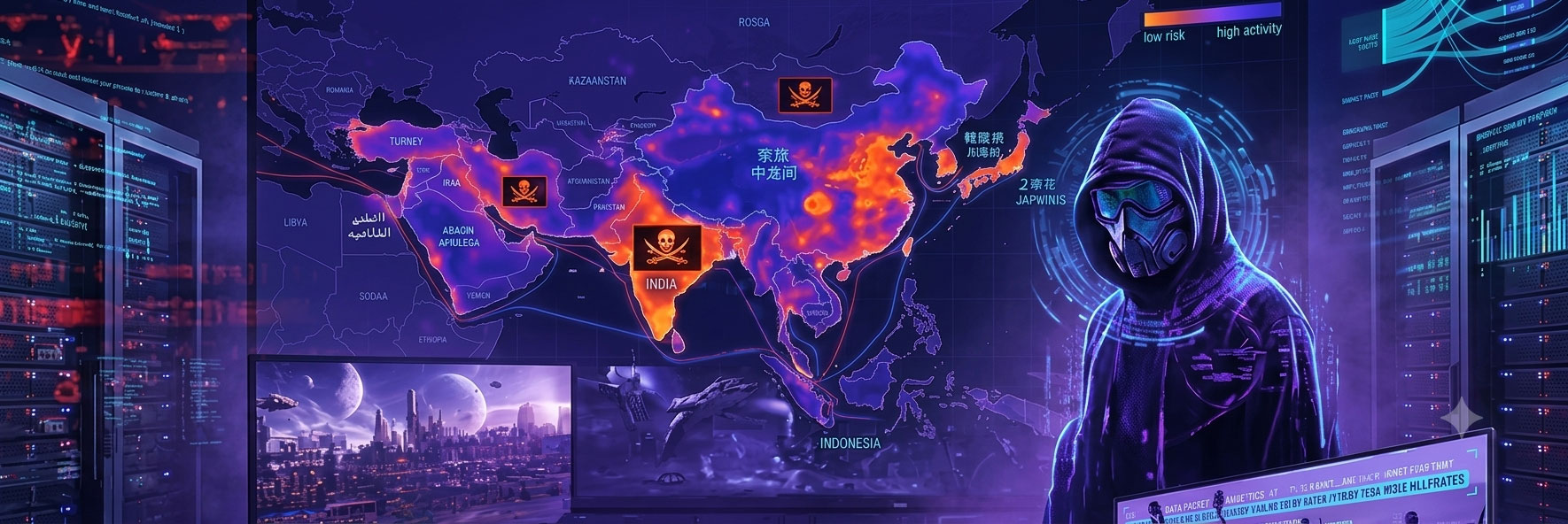
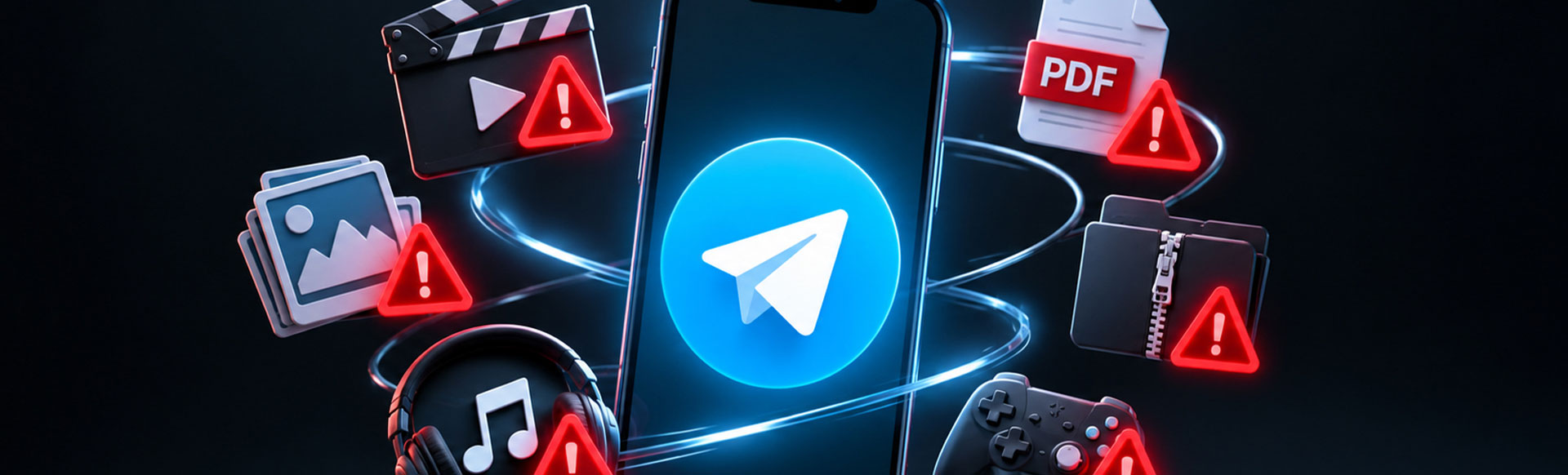
Pirated content can appear on streaming websites, social media platforms, messaging channels, and unauthorised applications. AI can help analyse available information from monitored sources to identify recurring uploads, suspicious distribution patterns, and potential connections between infringement sources.
This approach can be particularly useful when the same content appears under different titles or is redistributed through multiple links and accounts.
3. Large-Scale Automated Monitoring
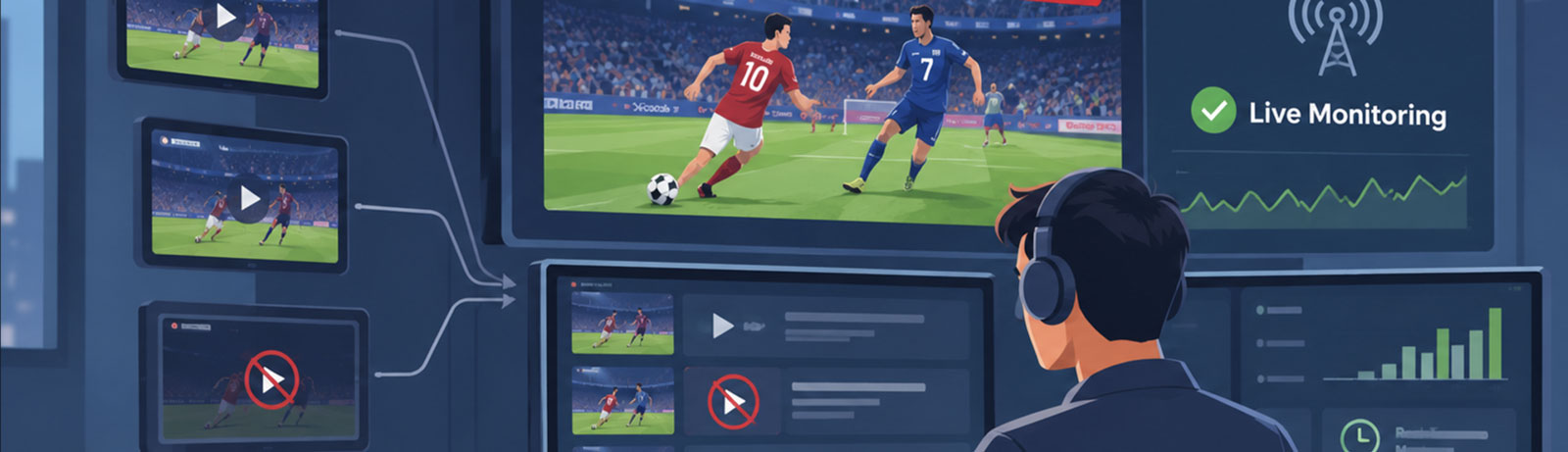
Manual searches become increasingly difficult as the volume of online content grows. Automated piracy detection can help scan supported sources, analyse potential matches, and flag relevant results for review.
This allows content protection teams to focus their attention on higher-priority cases, such as newly released movies, exclusive web series, and live sports broadcasts.
4. Human Verification and Enforcement
AI-generated alerts do not automatically establish copyright infringement. Human reviewers may need to verify the content, assess ownership and licensing information, and determine whether the match represents unauthorised distribution.
Once infringement is confirmed, the appropriate team can submit takedown requests, document evidence, and monitor the status of enforcement actions.
Key Benefits of AI Piracy Monitoring
AI piracy monitoring offers several advantages for organisations managing large digital content libraries.
- Faster identification: Automated analysis can help identify potential infringement without relying exclusively on manual searches.
- Broader monitoring capabilities: Technology can process large volumes of content across supported digital sources.
- Detection of modified copies: Content-matching techniques may identify certain altered or repackaged versions of copyrighted material.
- Repeat-offender identification: Pattern analysis can help uncover recurring piracy sources, accounts, and distribution methods.
- Improved resource allocation: Prioritising relevant matches can help teams focus on high-impact infringement and enforcement activities.
Together, these benefits make automated piracy detection a valuable part of a modern content protection strategy. Its effectiveness, however, depends on the quality of the detection methods, available monitoring coverage, and the processes used to review and act on results.
Challenges and Limitations of AI-Based Detection
Although AI improves piracy detection capabilities, it does not eliminate every challenge.
False positives can occur when legitimate content resembles a protected asset or when authorised uses are incorrectly flagged. Human review is important to avoid unnecessary enforcement against lawful material.
Piracy operators may also alter videos, crop images, modify audio, or move content between accounts and websites to make identification more difficult. Detection capabilities vary depending on the technology and the sources being monitored.
Additionally, some platforms restrict access to their content or provide limited information for monitoring purposes. This can affect the visibility of infringement activity.
For these reasons, AI works best as part of a broader strategy that combines technology, human expertise, and effective enforcement procedures.
How AI Is Changing Content Protection Strategies
Traditional content protection often depends on copyright owners discovering infringement after it has already spread. AI-assisted monitoring supports a more proactive approach by helping teams identify potential threats earlier and track recurring patterns.
Modern content protection technology can support a connected workflow involving detection, verification, evidence collection, takedown coordination, and follow-up monitoring. Insights from previous cases can also help teams identify repeat offenders and prioritise future investigations.
For example, when a pirated episode appears across several monitored websites, detection tools can help identify potential copies, while enforcement teams verify the findings and coordinate appropriate takedown requests. Continued monitoring can then help identify reuploads or related sources.
This combination of automation and human intervention allows rights holders to respond more systematically as piracy methods evolve.
How a Dedicated Anti-Piracy Partner Can Help
Managing online infringement across multiple digital platforms requires suitable technology, monitoring processes, and enforcement expertise. A specialised anti-piracy provider can help rights holders identify unauthorised content, verify potential infringement, coordinate takedown requests, and monitor recurring piracy sources.
BLOCK X helps rights holders detect unauthorised content across digital platforms through technology-supported monitoring and human intervention. This approach supports infringement identification and takedown efforts while helping rights holders address persistent online piracy.
Conclusion
AI is transforming piracy detection by helping rights holders identify potential infringement at greater speed and scale. However, effective protection requires more than detection alone. Human verification, timely takedowns, and continued monitoring remain essential to addressing unauthorised distribution.
Partner with BLOCK X, a top anti-piracy company in India, to identify online infringement and strengthen monitoring efforts. Contact BLOCK X today to give No. 1 protection to your digital content.
Recent Blogs