We are innovative, ambitious and ready for challenges! Hire Us







What Does a Content Takedown Service Actually Do? A Step-by-Step Guide
The unauthorised distribution of digital content is a growing challenge for businesses, entertainment companies, publishers, and intellectual property owners. Pirated movies, copied publications, and unauthorised online uploads can affect revenue and undermine content protection efforts.
A content takedown service helps rights holders address these threats by identifying infringement, verifying evidence, submitting removal requests, and monitoring enforcement outcomes. Understanding this process helps businesses protect their intellectual property and maintain greater control over their digital assets.
What Is a Content Takedown Service?
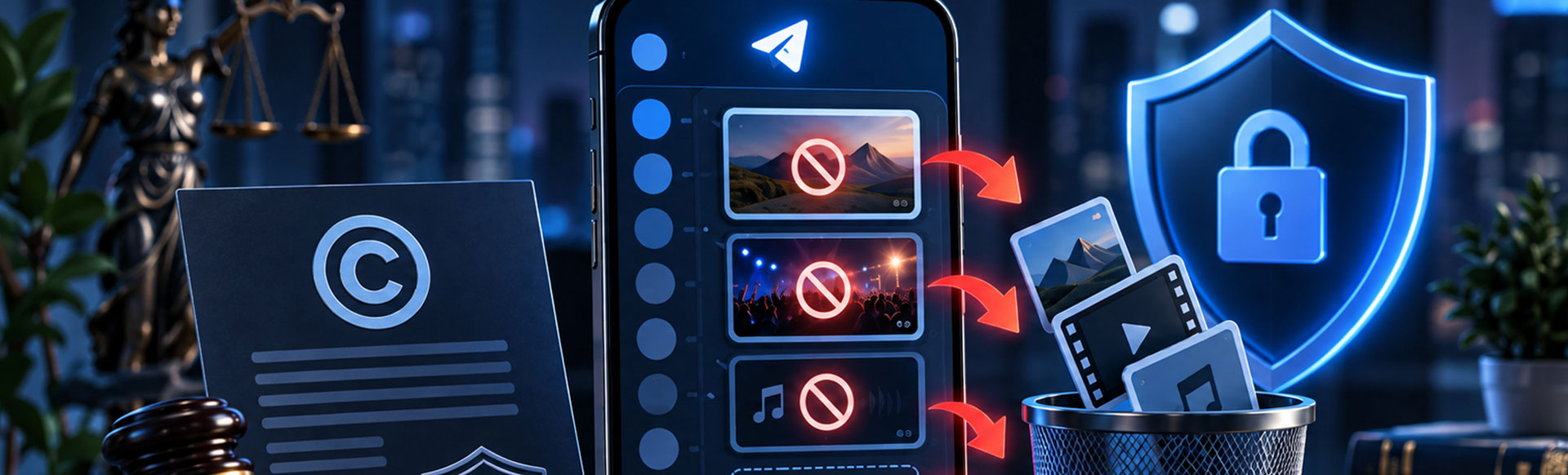
A content takedown service helps copyright owners identify and address the unauthorised distribution of digital content across online platforms. It supports copyright enforcement by coordinating removal requests against infringing material found on websites, social media platforms, messaging applications, and piracy networks.
The process extends beyond identifying suspicious links. It involves verifying infringement, documenting evidence, submitting complaints, following up with platforms, and tracking removal outcomes. Depending on the scope of the service, continuous monitoring may also help identify newly uploaded copies and recurring violations.
How Does a Content Takedown Service Work?
Step 1: Identifying Infringing Content
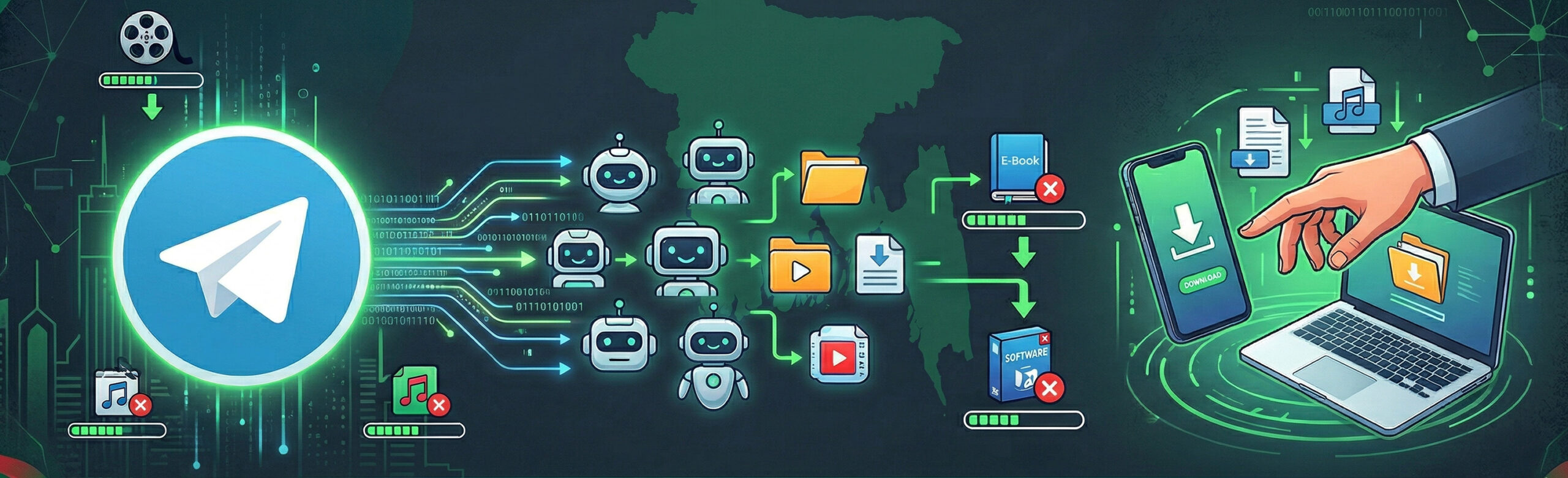
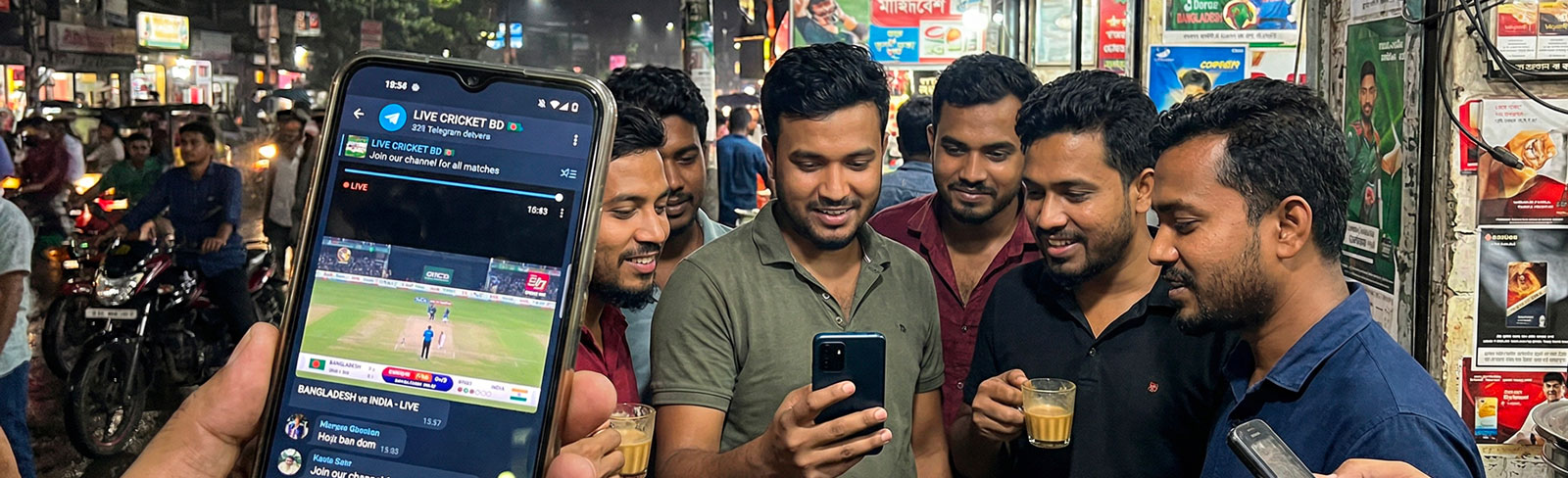
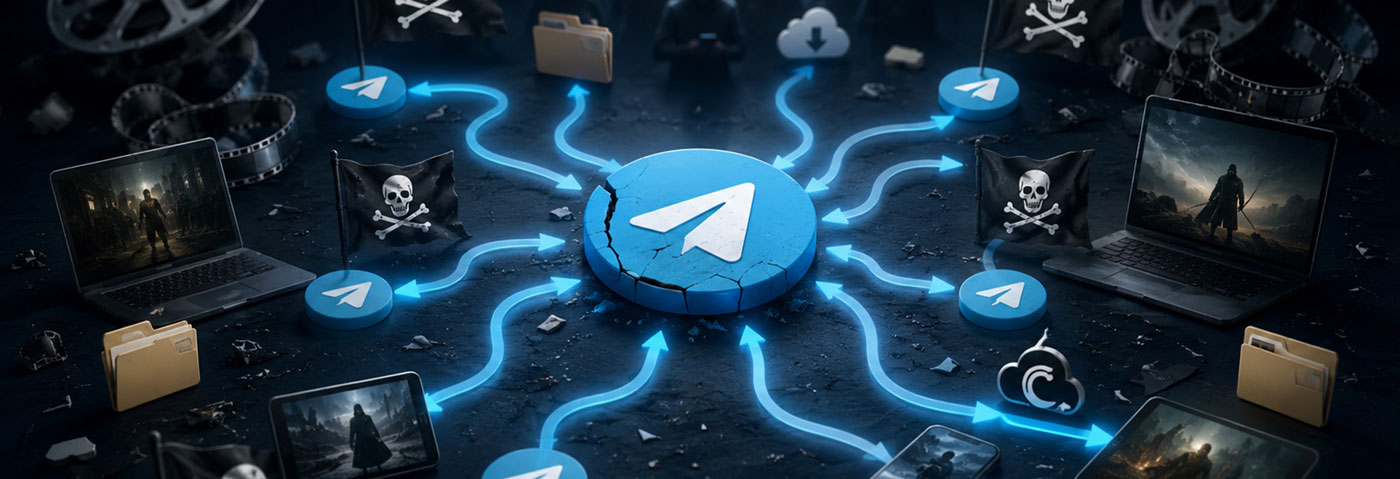
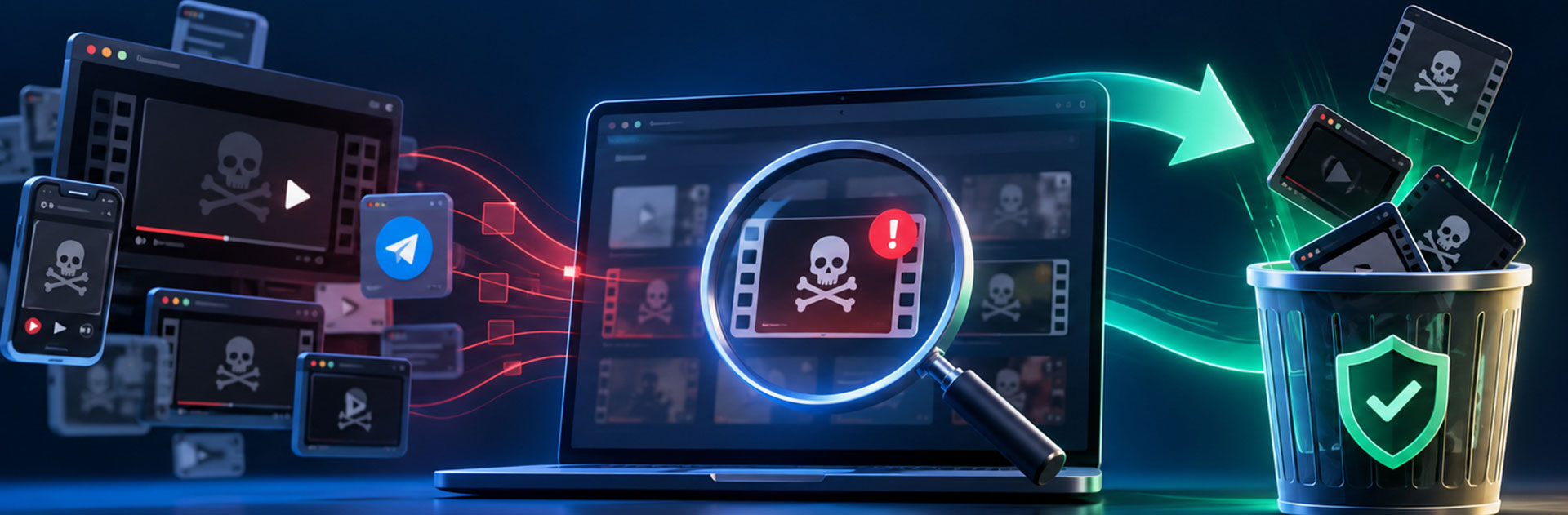
The first step involves locating unauthorised copies of copyrighted material across the internet. Automated detection tools, monitoring systems, and research teams help identify potentially infringing content across websites, social media accounts, Telegram channels, and video-sharing platforms.
Infringers often change file names, modify URLs, create duplicate websites, or use multiple accounts to avoid detection. Effective monitoring accounts for these tactics, helping rights holders discover infringement across different distribution sources.
Step 2: Verifying Copyright Infringement
Once potentially infringing content is identified, it must be reviewed to determine whether it contains unauthorised material and whether sufficient grounds exist for enforcement.
Verification helps distinguish genuine infringement from licensed distribution, promotional material, and other authorised uses. Accurate assessment also reduces invalid complaints and unnecessary removal requests, ensuring enforcement efforts focus on legitimate copyright concerns.
Step 3: Submitting Takedown Requests
After verification, the service provider submits appropriate takedown requests to the relevant platforms, hosting providers, or other intermediaries. A copyright takedown service typically provides the URLs, supporting evidence, identification of the protected work, and other information required by the recipient’s reporting process.
Requirements vary across platforms and jurisdictions. Accurate documentation and compliance with reporting procedures help rights holders pursue removal efficiently. However, submitting a request does not guarantee removal, as platforms may review the evidence before making a decision.
Step 4: Tracking Removal and Platform Responses
Submitting a complaint is only one part of the enforcement process. A content removal service must also track request statuses, monitor platform responses, and verify whether the reported material has been removed.
Some requests may require additional information or follow-up, while others may be rejected or remain unresolved. Tracking these outcomes helps businesses evaluate enforcement performance, identify recurring delays, and maintain records of actions taken across different platforms.
Step 5: Monitoring Repeat Infringement
Removing one infringing link does not prevent the same content from appearing elsewhere. Piracy networks may re-upload material using new URLs, alternative accounts, renamed files, or different distribution channels.
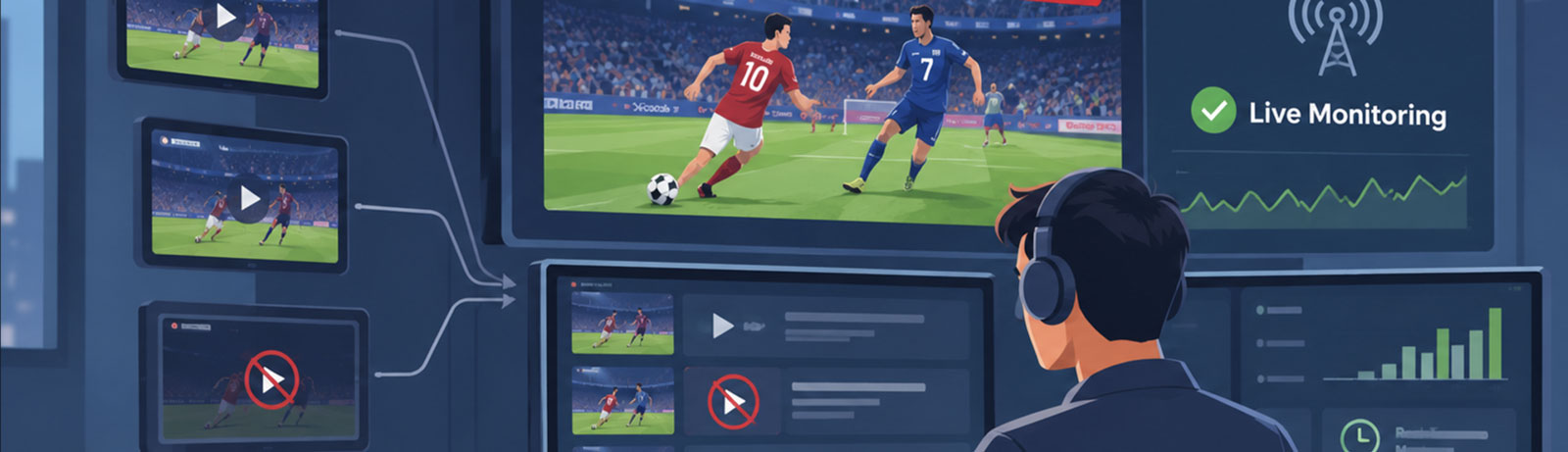
Continuous monitoring helps identify recurring violations and supports further enforcement against newly discovered sources. Recognising repeat infringers also enables rights holders to prioritise persistent threats and develop targeted strategies for disrupting unauthorised distribution.
What Types of Content Can Be Removed?
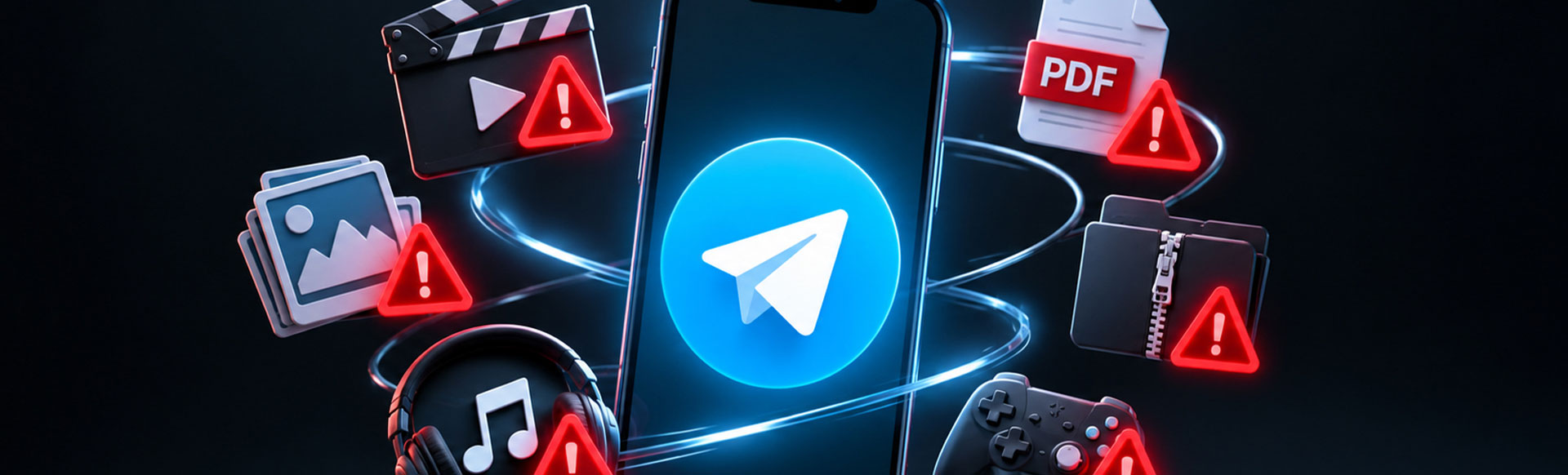
A content takedown service can address various forms of unauthorised digital distribution, depending on the rights involved and applicable platform procedures. Common examples include pirated movies and web series, unauthorised music uploads, copied digital publications, infringing social media posts, piracy websites, and Telegram channels distributing protected material without permission.
Services may also support enforcement against unauthorised applications and other distribution sources when a valid infringement claim can be established. Each case requires appropriate verification, supporting evidence, and an enforcement approach suited to the content and platform.
Why Businesses Need a Content Takedown Service?
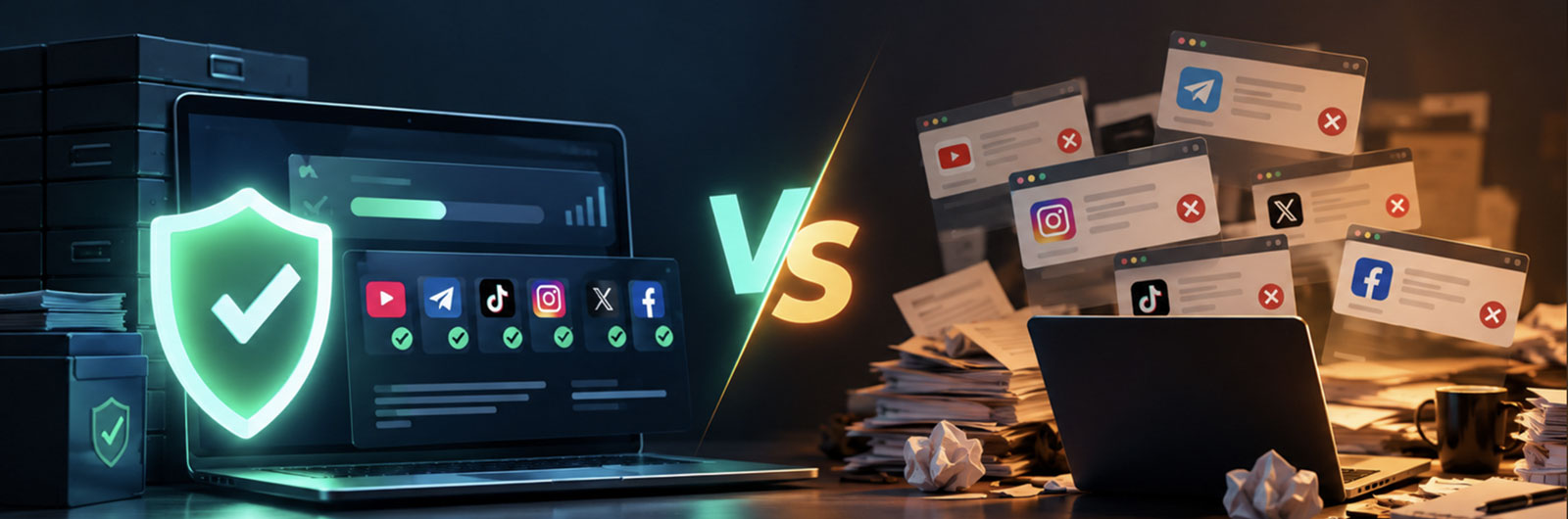
Unauthorised distribution can affect revenue, licensing opportunities, audience engagement, and brand reputation. Managing infringement manually across multiple platforms can also consume considerable time and operational resources.
A dedicated content takedown service streamlines monitoring, verification, reporting, and follow-up activities. Combining these processes with ongoing monitoring helps businesses respond systematically, assess enforcement outcomes, and address repeat violations.
Although takedowns cannot eliminate every instance of piracy, consistent copyright enforcement helps reduce the availability of unauthorised content and strengthens long-term online content protection.
Conclusion
Effective copyright enforcement requires continuous monitoring, accurate verification, coordinated takedown action, and follow-up against repeat infringement. BLOCK X, a top anti-piracy company in India, helps rights holders protect their digital assets through content monitoring and takedown services. Contact BLOCK X today to strengthen your copyright enforcement strategy and protect your content from unauthorised distribution.
Recent Blogs