We are innovative, ambitious and ready for challenges! Hire Us







Why Religious and Faith-Based Content Is Becoming a Prime Target for Digital Piracy Worldwide
Religious content piracy is becoming a growing concern for OTT platforms, broadcasters, and content owners worldwide. For years, digital piracy discussions have largely focused on blockbuster films, premium sports broadcasts, and popular television series. However, a growing category is quietly attracting significant attention from piracy networks worldwide: religious and faith-based content.
From devotional series and mythological dramas to spiritual discourses, religious documentaries, live worship broadcasts, and faith-focused films, demand for religious content has expanded rapidly across streaming platforms. What was once considered niche programming has evolved into a major content category attracting millions of viewers globally.
As audience consumption increases, piracy operators are following the demand.
Today, religious and faith-based content is emerging as one of the most frequently redistributed forms of content across piracy websites, Telegram channels, IPTV networks, social media platforms, and file-sharing communities.
For OTT platforms, broadcasters, and content owners, this presents a growing content protection challenge that cannot be ignored.
Religious Content Piracy Is Growing Alongside Global Demand
Faith-based programming is no longer limited to traditional television networks.
OTT platforms now distribute a wide variety of content, including:
- Mythological dramas
- Religious films
- Spiritual documentaries
- Devotional programmes
- Live worship services
- Festival-specific content
- Religious educational content
- Pilgrimage and cultural programming
The appeal of this content extends far beyond national borders.
Large diaspora communities consume religious content to maintain cultural and spiritual connections, while streaming platforms increasingly use dubbing and localisation to expand audiences into new markets.
This combination of global demand and digital accessibility creates an attractive opportunity for piracy networks.
Why Religious Content Is Experiencing Rapid Growth
The growing popularity of religious and faith-based content is not happening by chance. Several factors are driving increased consumption across streaming platforms worldwide.
Audiences Are Seeking Meaningful and Values-Driven Content
As content libraries become increasingly crowded, many viewers are actively seeking programming that offers cultural, spiritual, educational, or inspirational value. Religious content often provides a deeper connection to personal beliefs, traditions, and community values, making it appealing across generations.
Streaming Platforms Have Expanded Accessibility
OTT platforms have made faith-based content more accessible than ever before. Content that was once limited to regional television channels or physical media can now reach global audiences instantly through mobile devices, smart TVs, and streaming applications.
The Rise of Regional and Local-Language Content
Streaming services are investing heavily in local-language programming and dubbed versions to cater to diverse audiences. This has significantly expanded the reach of religious and mythological content, enabling viewers to consume it in their preferred language.
Growing Diaspora Audiences
Millions of people living outside their home countries use OTT platforms to stay connected to their cultural and religious roots. Faith-based programming often serves as an important bridge between generations and communities, driving strong viewership among diaspora audiences worldwide.
Increased Interest in Cultural Heritage and Storytelling
Many religious and mythological productions combine spiritual themes with compelling storytelling, historical narratives, and high-quality production values. These programmes appeal not only to religious audiences but also to viewers interested in culture, history, and tradition.
Seasonal and Festival-Based Consumption
Religious festivals, holy periods, and cultural celebrations frequently drive spikes in viewership. During these periods, audiences actively seek devotional content, festival specials, live broadcasts, and faith-based programming, creating recurring demand throughout the year.
As streaming platforms continue investing in this category, religious and faith-based content is evolving from a niche offering into a mainstream content segment with significant global appeal. Unfortunately, the same factors driving legitimate audience growth are also attracting the attention of piracy networks.
How Religious Content Piracy Operates Across Digital Channels
Modern piracy networks rely on multiple distribution channels.
Telegram Communities
Large channels distribute episodes, downloadable files, and streaming links to thousands of users.
IPTV Networks
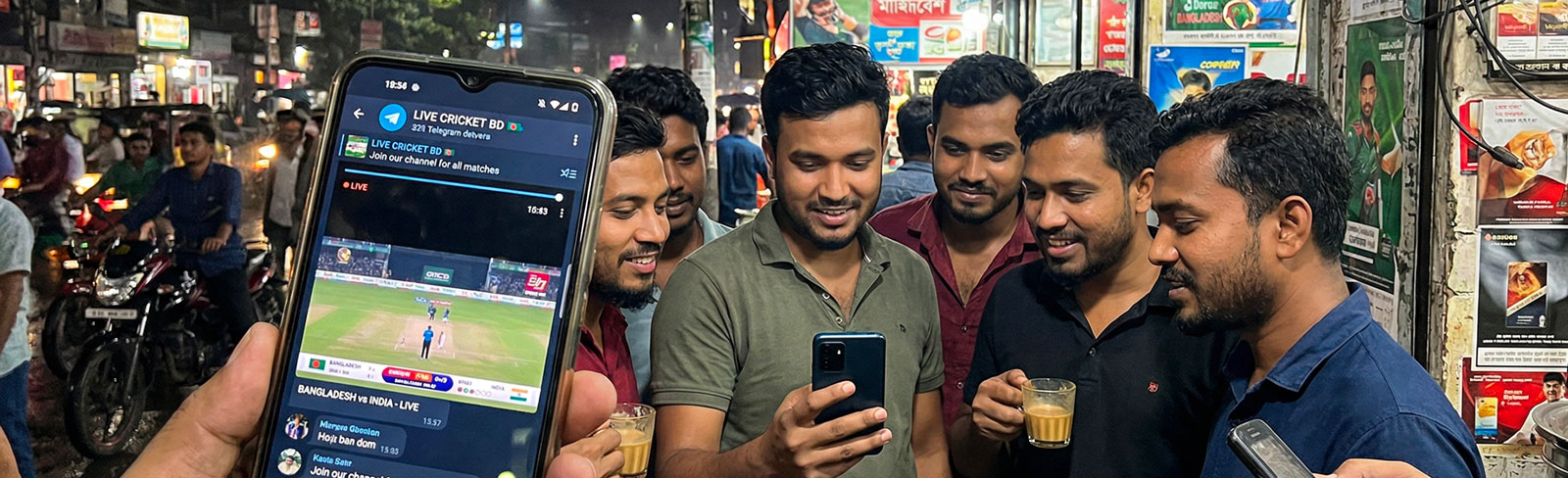
Illegal IPTV providers increasingly bundle religious channels and premium streaming content into unauthorised subscription packages.
Piracy Websites
Dedicated websites host complete collections of faith-based content for free access.
Social Media Platforms
Short clips and promotional excerpts are often used to redirect users towards pirated streams.
Cloud Sharing Services
Pirates frequently use cloud storage and file-sharing platforms to distribute full-length content.
The diversity of distribution methods makes enforcement increasingly complex.
Business Risks Associated With Religious Content Piracy
Religious content is often perceived as community-oriented programming rather than a commercial asset. However, the business impact of piracy can be substantial.
Reduced Subscription Retention
If premium content becomes widely available through illegal sources, subscribers may question the value of maintaining paid access.
Lower Return on Content Investments
Faith-based productions often involve considerable investment in:
- Production
- Localisation
- Dubbing
- Distribution
- Marketing
Piracy directly undermines the ability to recover these costs.
Advertising Revenue Losses
For ad-supported platforms, unauthorised consumption reduces legitimate viewership and advertising opportunities.
Brand Dilution
Poor-quality pirated copies can negatively affect audience perceptions of both the content and the platform distributing it.
Why Traditional Anti-Piracy Approaches Are No Longer Enough
Many piracy programmes focus primarily on major film releases or live sporting events. Religious content presents a different challenge. Unlike event-driven content, faith-based programming often remains relevant over extended periods.
This means piracy monitoring must be:
- Continuous
- Multi-language
- Multi-platform
- Globally coordinated
Without ongoing enforcement, piracy networks can build long-term distribution ecosystems around high-demand religious content.
As streaming platforms continue investing in faith-based programming, the category will become increasingly important from both a business and content protection perspective.
The same factors driving its popularity like global accessibility, localisation, cultural relevance, and year-round demand, also make it an attractive target for piracy operators.
OTT platforms that recognise this shift early will be better positioned to protect revenue, maintain subscriber value, and maximise the return on their content investments. For content owners, broadcasters, and OTT platforms, protecting faith-based content requires the same level of attention traditionally given to movies, television series, and live sports. Contact us to know more about how we can protect your religious content.
Contact us to know how we can protect your content.
Recent Blogs