We are innovative, ambitious and ready for challenges! Hire Us





Content Monitoring vs Content Takedown: What’s the Difference?
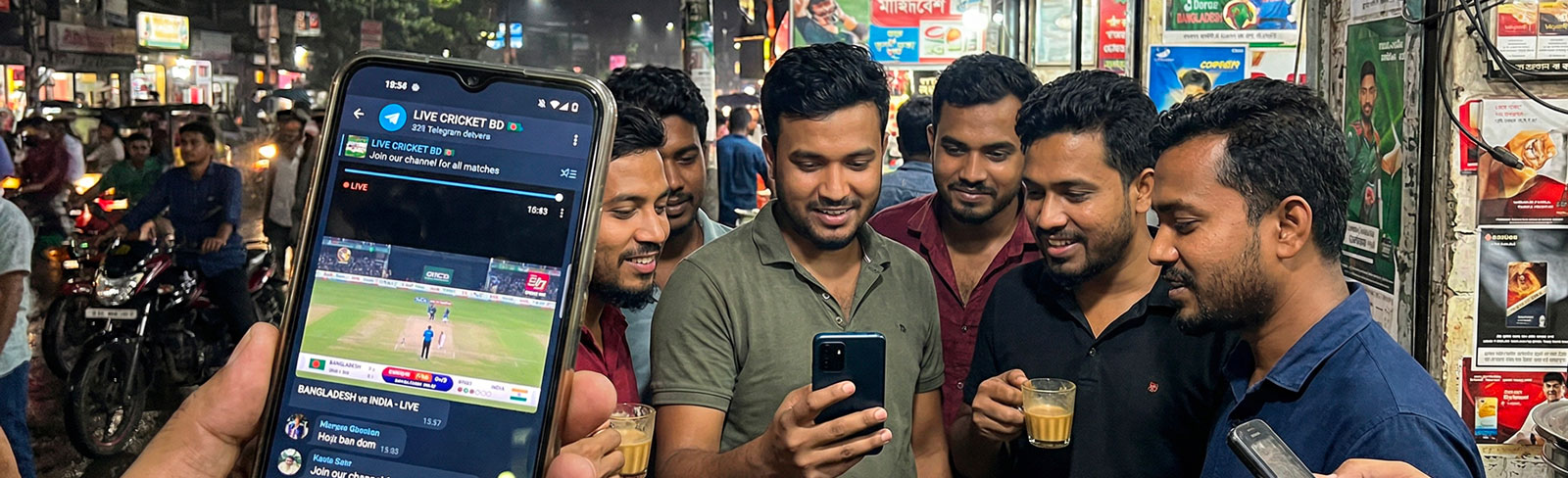
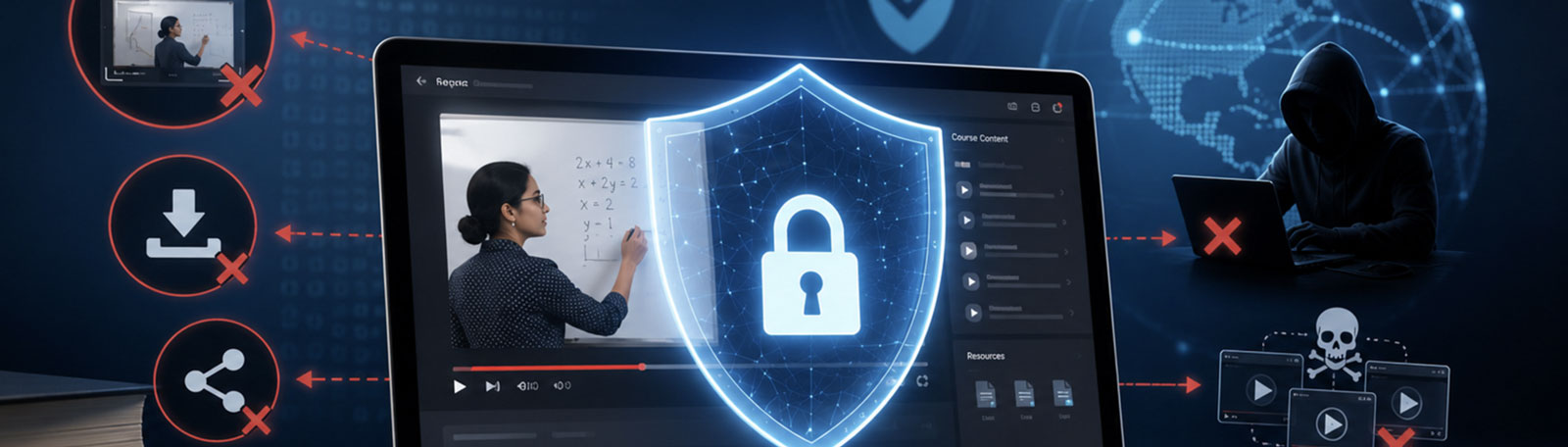
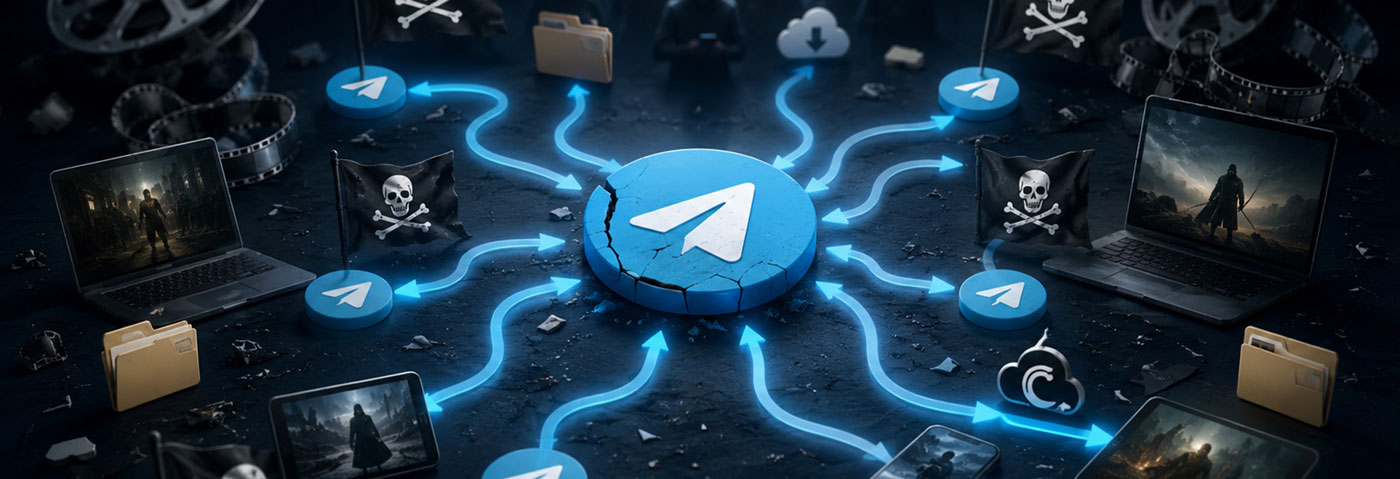
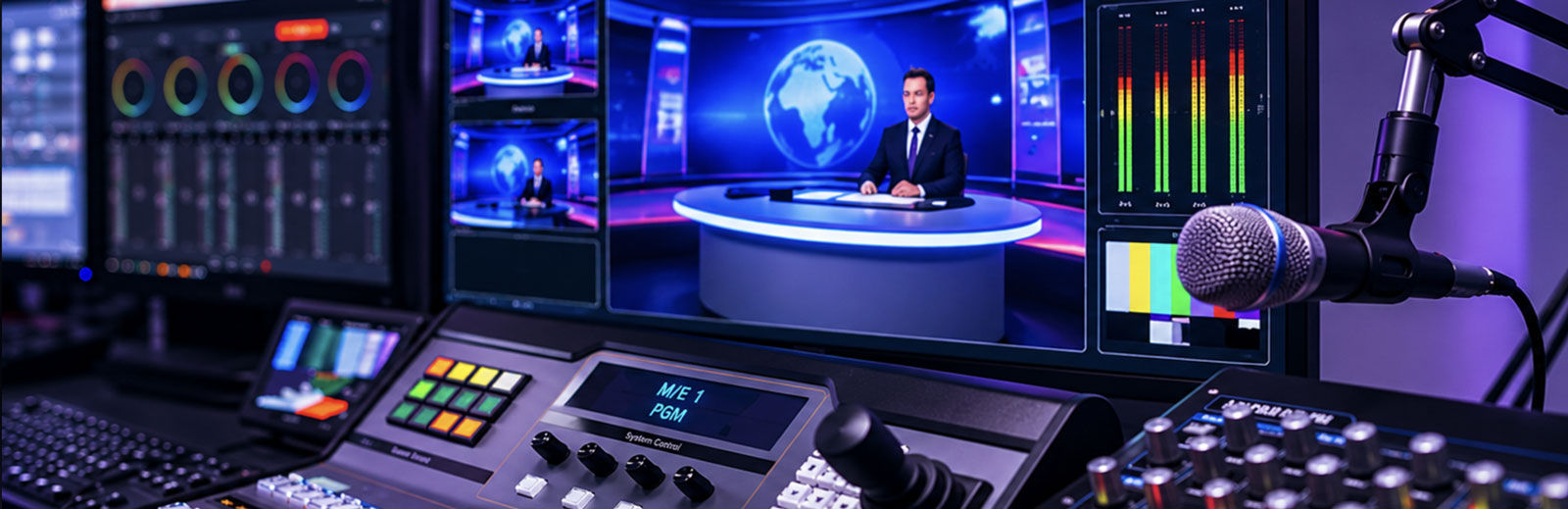
Content Monitoring vs content takedown are two essential processes in protecting digital content from piracy. While both help content owners address unauthorised distribution, they serve different purposes in identifying and removing infringing material. Digital piracy continues to affect content owners, OTT platforms, broadcasters, and media businesses. Movies, web series, sports broadcasts, and other copyrighted material can be copied and distributed across websites, social media platforms, Telegram channels, and unauthorized streaming services. Protecting this content requires more than identifying infringement. Businesses must also act on it. This is where content monitoring and content takedown play important roles. Although these processes work together, they serve different purposes. Understanding the difference helps businesses build a more effective content protection strategy.
What Is Content Monitoring?
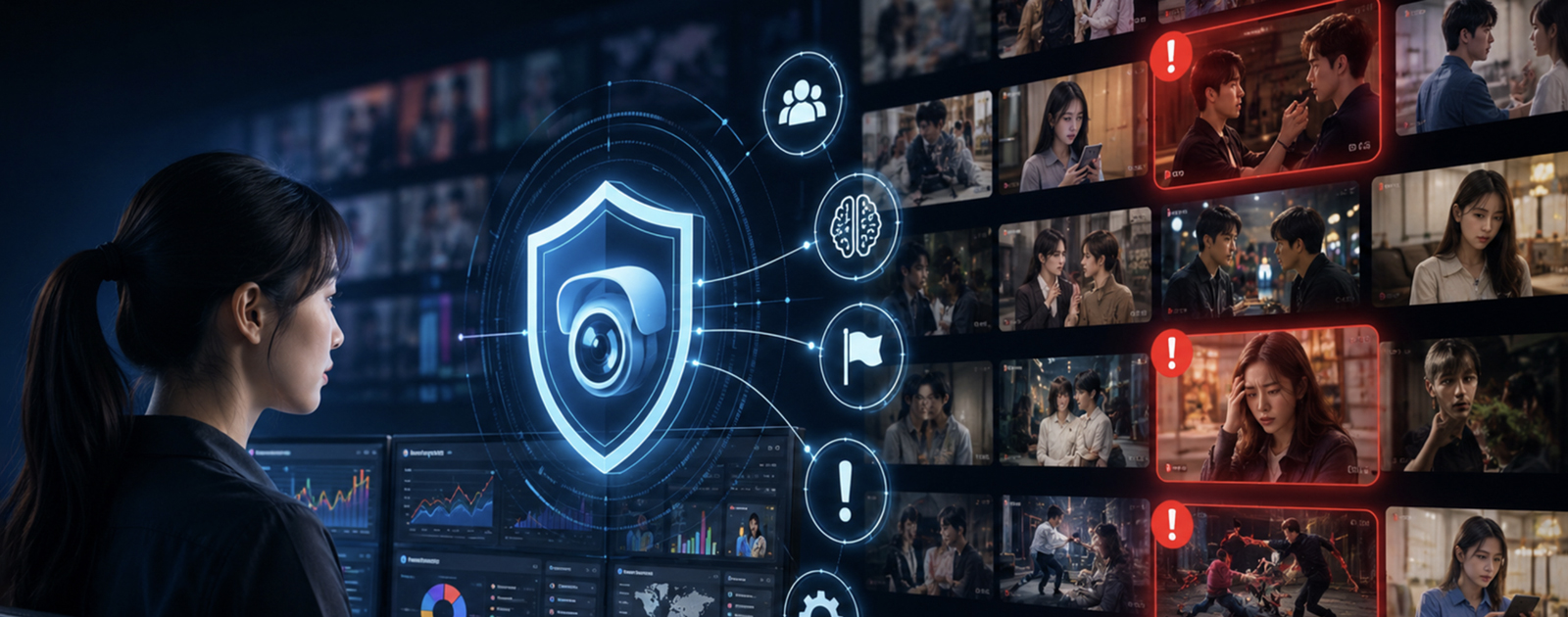
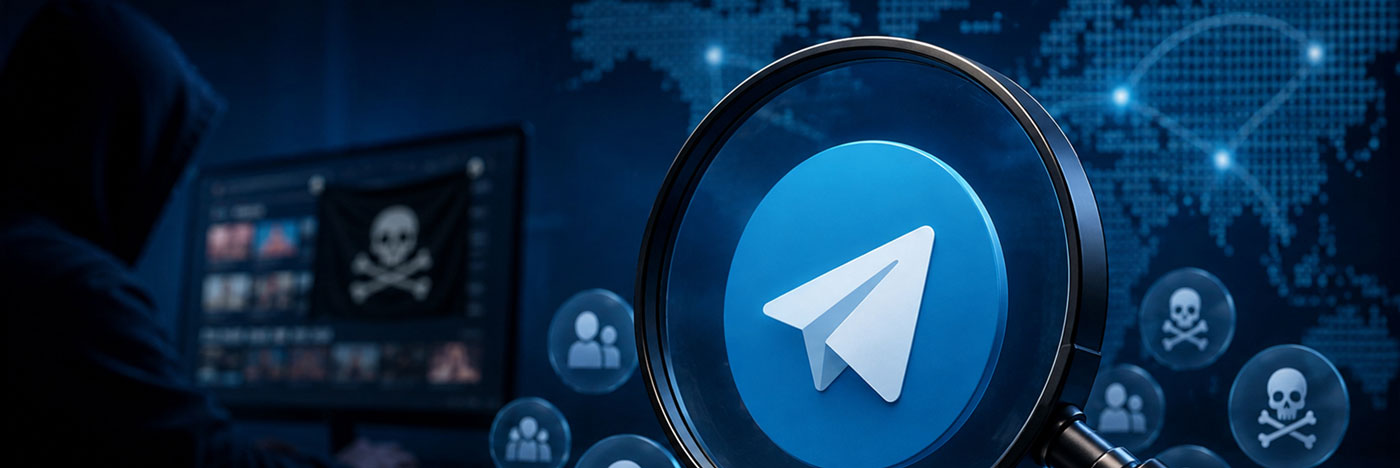
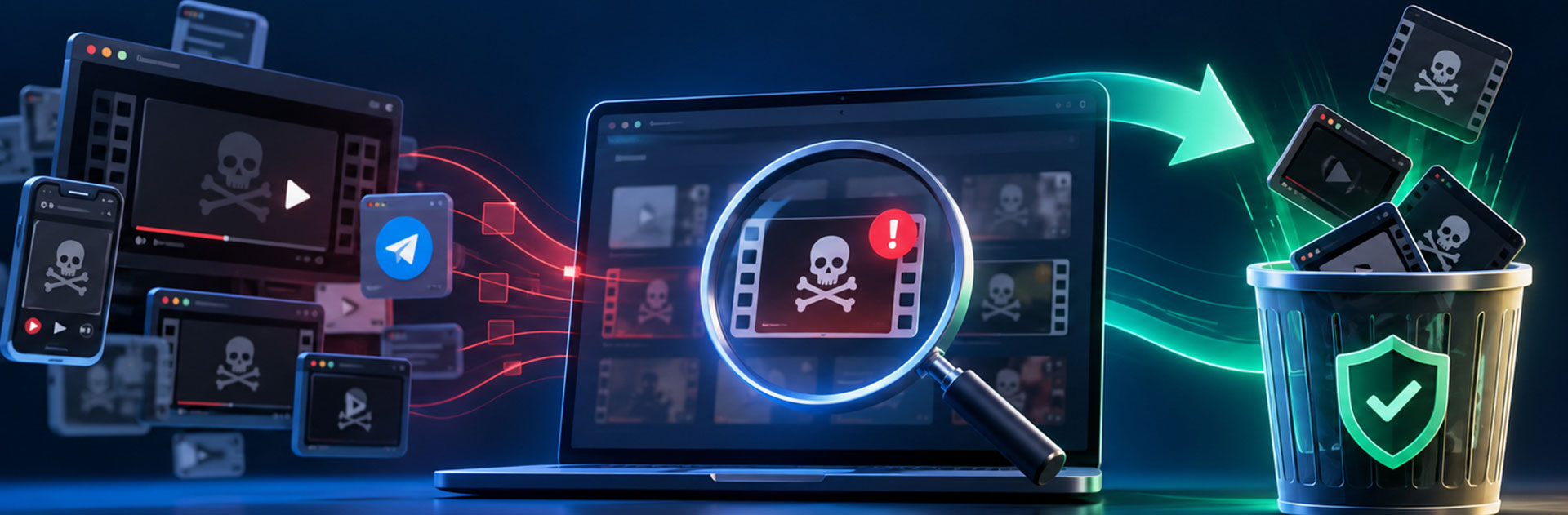
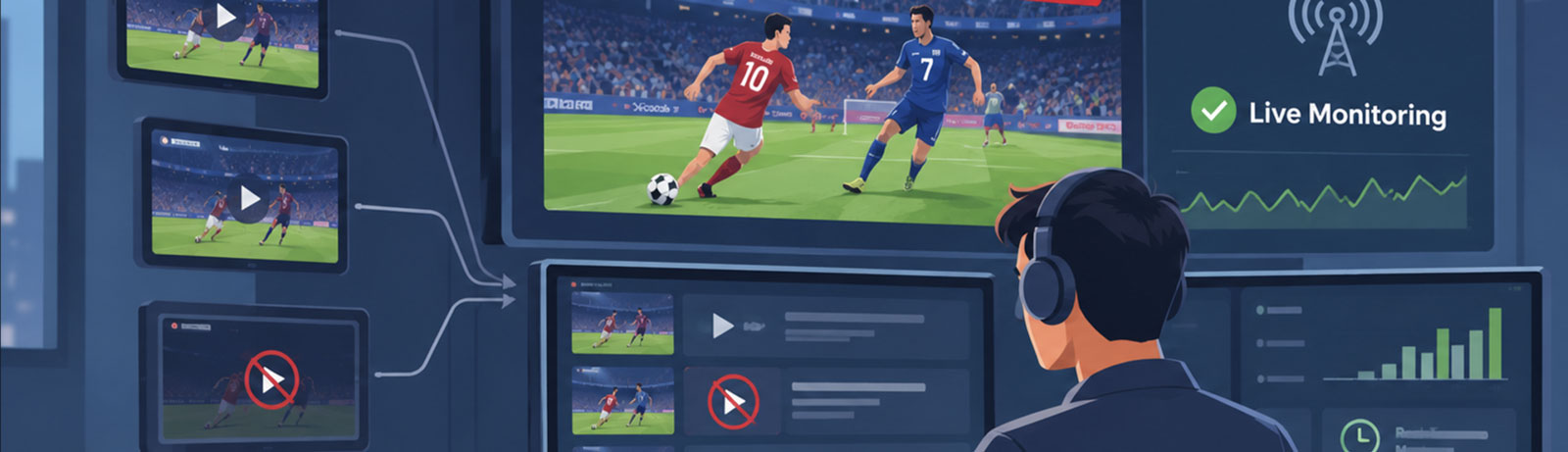
Content monitoring is the process of identifying and tracking unauthorized use or distribution of copyrighted material across digital platforms. It helps rights holders discover where their content appears without permission and understand how it spreads online.
Through automated detection tools, AI-assisted technologies, and human verification, content monitoring teams can identify potentially infringing material across websites, social media accounts, Telegram channels, piracy apps, and streaming platforms.
Effective piracy monitoring goes beyond finding individual links. It can also help identify repeated uploads, renamed titles, duplicate copies, and accounts that consistently distribute unauthorized content. This information gives content owners better visibility into piracy patterns and helps them determine where action is required.
However, identifying infringing content does not automatically result in its removal. Once infringement is detected and verified, the next step may involve initiating a takedown process.
What Is Content Takedown?
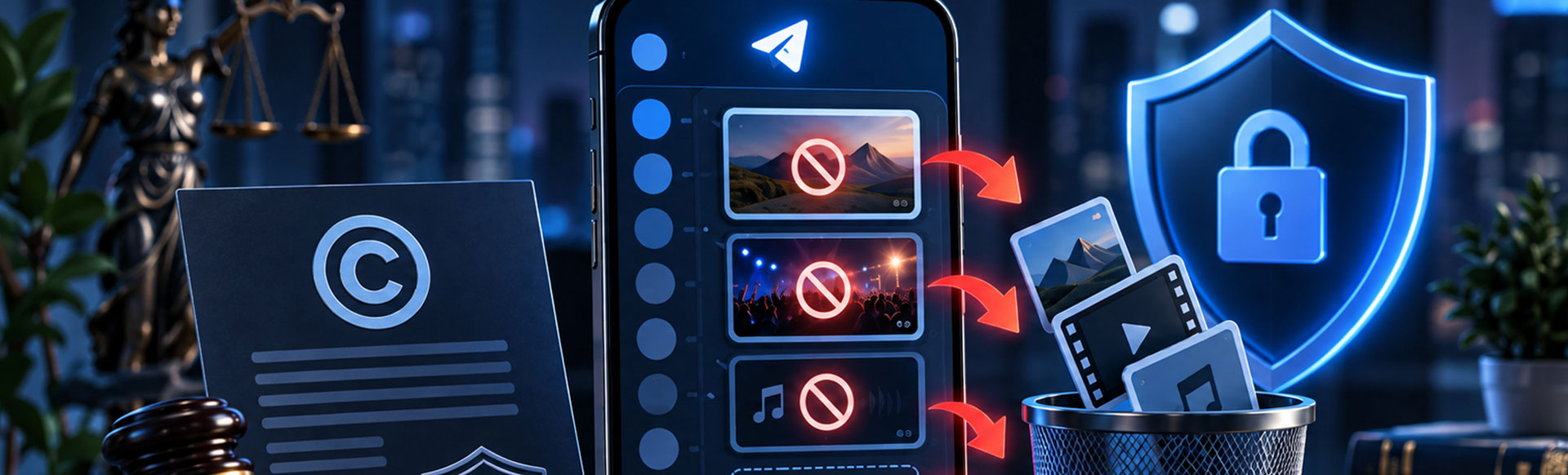
Content takedown is the process of requesting the removal or disabling of access to unauthorized content from a digital platform or service. It follows the identification of potentially infringing material and focuses on addressing the infringement.
A typical copyright takedown process involves collecting relevant evidence, identifying the appropriate platform or intermediary, submitting a complaint or removal request, and following up on its status.
For example, if a copyrighted movie is uploaded to an unauthorized streaming website, a takedown request can be submitted to the relevant service provider, subject to applicable procedures and requirements. The platform or intermediary then reviews the request and determines the appropriate action.
The outcome and timeline depend on factors such as the platform’s policies, the evidence provided, and applicable laws. In addition, removing one link does not necessarily eliminate every copy of the same content circulating online.
This is why takedown efforts are more effective when supported by ongoing monitoring.
Content Monitoring vs Content Takedown: Key Differences
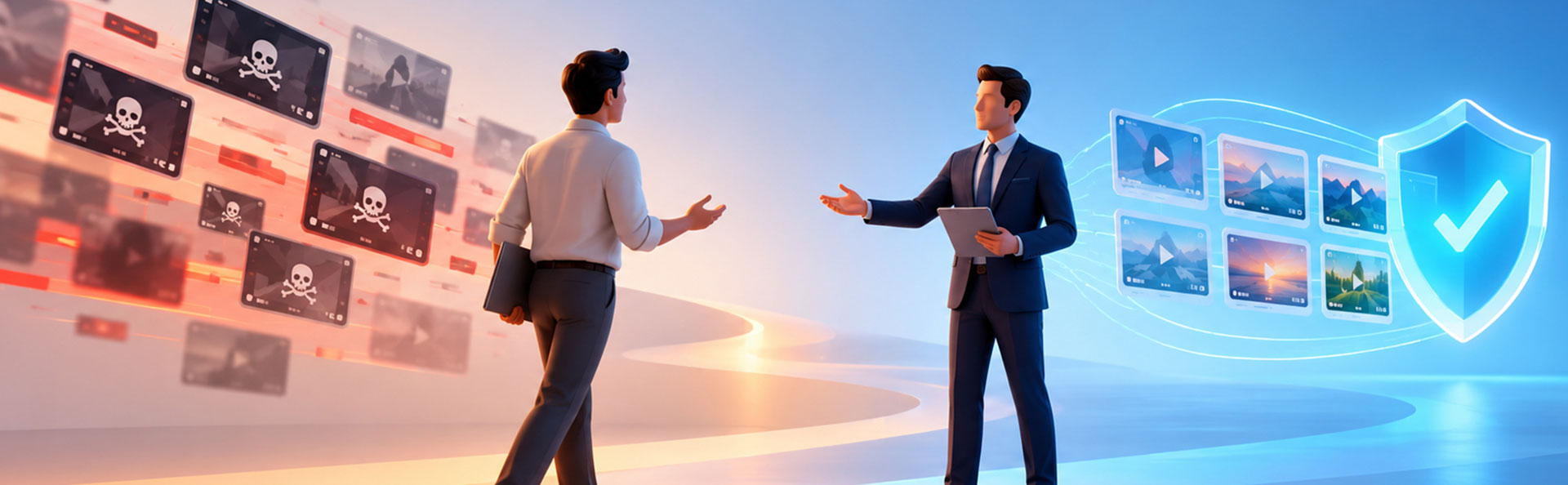
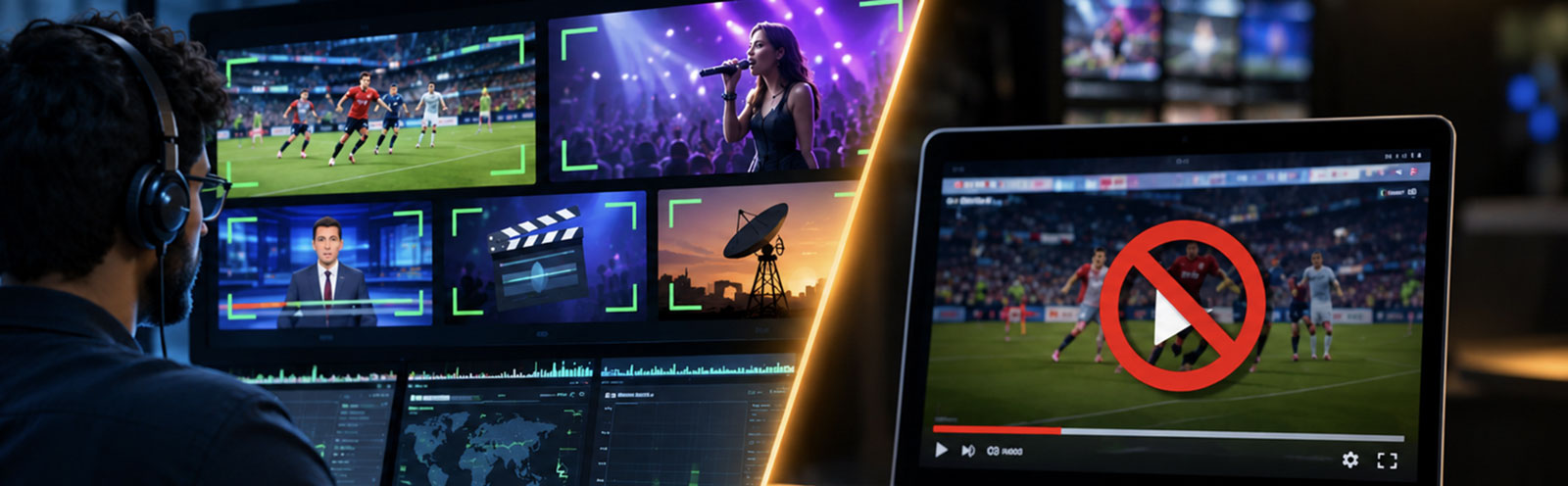
The primary difference between content monitoring and content takedown lies in their purpose. Monitoring identifies infringement, while takedown focuses on seeking action against the identified material.
Content monitoring involves scanning digital platforms, detecting potentially infringing content, verifying findings, and tracking piracy activity. Its primary outcome is visibility into where and how copyrighted material is being distributed without authorization.
Content takedown, on the other hand, involves submitting removal requests, coordinating with relevant platforms, following up on complaints, and confirming whether access to the infringing material has been disabled or the content removed.
Consider an OTT platform whose latest web series appears on an unauthorized website. Content monitoring helps identify the website and locate the pirated episode. The takedown process then seeks to have that episode removed.
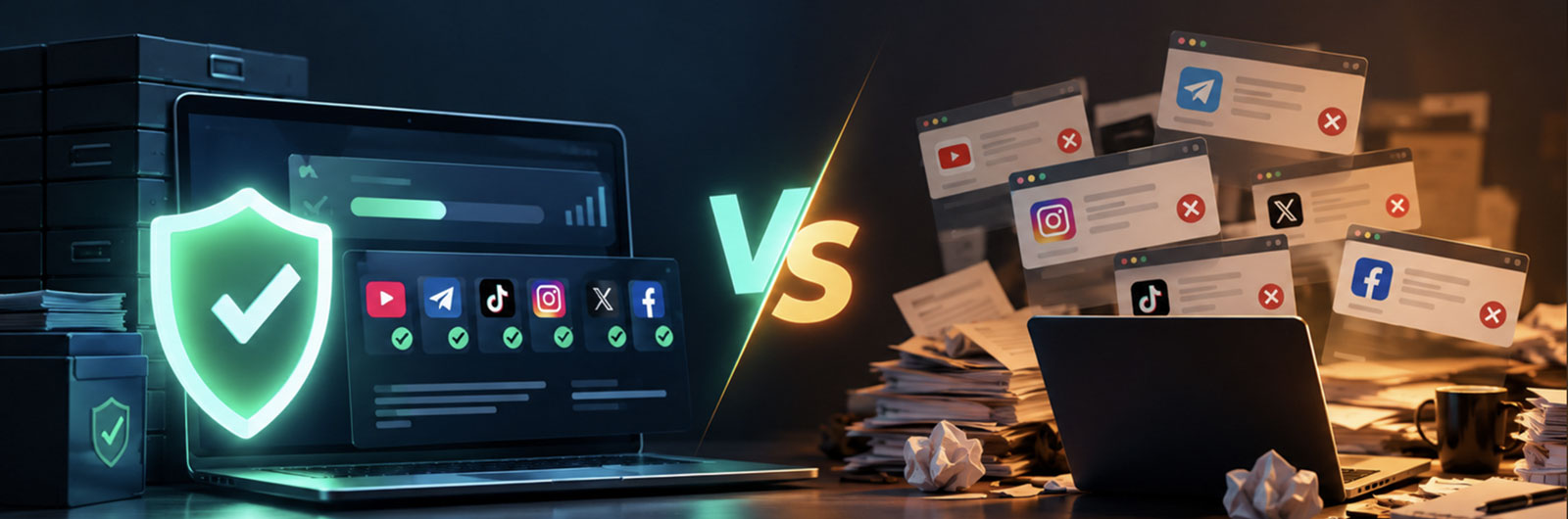
Neither process replaces the other. Monitoring without follow-up action can leave pirated content accessible, while takedowns without continued monitoring may miss new uploads or copies appearing elsewhere.
Why Businesses Need Both for Effective Content Protection
Relying exclusively on content monitoring or takedown can leave gaps in a business’s anti-piracy efforts. A coordinated approach helps rights holders identify infringement and respond to it more effectively.
Combining both processes offers several benefits:
- Better infringement visibility: Monitoring helps businesses discover unauthorized distribution across multiple digital sources.
- Timely action: Identified infringement can be escalated for takedown without unnecessary delays in the workflow.
- Repeat-offender identification: Tracking recurring uploads and distribution channels can help teams recognize persistent infringement patterns.
- Ongoing protection: Continued monitoring helps identify replacement links, duplicate uploads, and newly created accounts after earlier takedowns.
- Improved oversight: Tracking detection and removal outcomes helps businesses assess the effectiveness of their content protection efforts.
For OTT platforms, broadcasters, sports rights holders, and entertainment companies, these processes can form the foundation of a more comprehensive digital anti-piracy strategy.
How BLOCK X Supports Content Monitoring and Content Takedown
BLOCK X helps rights holders address digital piracy by detecting unauthorized content across relevant online sources and supporting coordinated takedown efforts.
Its approach combines technology-assisted detection with human intervention to identify infringing material and support action against it. By tracking piracy activity across websites, social media, Telegram channels, and other digital distribution sources, BLOCK X helps clients respond to unauthorized content and identify recurring infringement patterns.
Connecting detection with takedown workflows allows rights holders to move beyond simply discovering piracy and take practical steps to address it.
Conclusion
Content monitoring and content takedown serve different but complementary purposes. Monitoring helps identify unauthorized distribution, while takedown efforts seek to remove or disable access to infringing material. Together, they help businesses build a more effective approach to digital content protection.
As piracy continues to evolve, working with an experienced partner can help rights holders strengthen their response. Partner with BLOCK X, a leading anti-piracy company in India, to strengthen your content protection strategy. Contact BLOCK X today to explore content monitoring and takedown solutions tailored to your needs.
Recent Blogs