We are innovative, ambitious and ready for challenges! Hire Us





Public Channels vs Private Groups: What Can Actually Be Enforced?
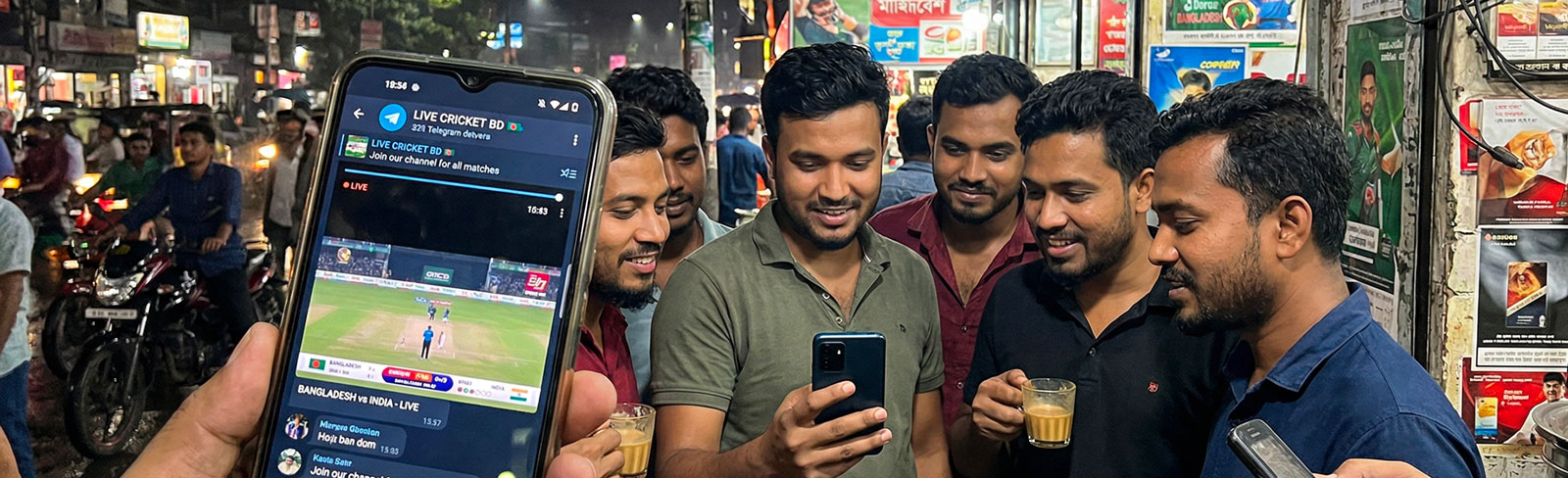
Telegram has become a hub for distributing copyrighted content, such as movies, ebooks, study materials, and test series. Pirated content can appear across public channels and private groups, but the accessibility level varies with each environment. For rights holders, this variation matters because monitoring, evidence collection, and other enforcement actions depend on how the infringing content can be accessed and identified. Understanding what can be monitored and reported is an important part of building an effective Telegram piracy strategy.
Public Channels vs Private Groups: What’s the Difference?
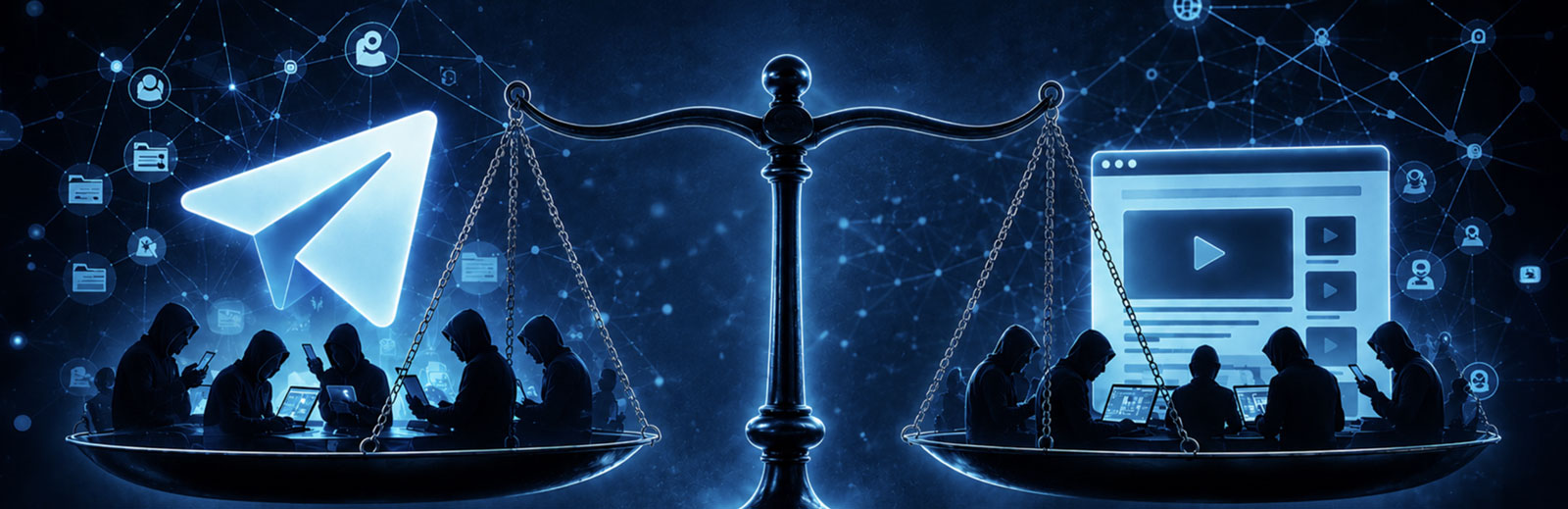
Public Telegram channels and groups are easy to discover and access. Public channels have usernames, can be found through a simple Telegram search, and can be joined by anyone. On the other hand, private channels and groups require an invitation or approval before providing access to users. However, Telegram states that private channels with publicly available invite links are treated in the same way as public channels in content disputes. Both public and private channels are used to distribute the same copyrighted asset through files and links. The key difference for piracy monitoring is accessibility. Public channels can be easily located and documented, but private content requires access before the infringement can be identified and documented.
How Does Telegram Piracy Monitoring Work?
Effective Telegram piracy monitoring follows the process below.
- Detect the pirated asset.
- Locate the Telegram channel or group distributing it.
- Collect relevant content links and available channel or group information.
- Document evidence of the infringement.
- Submit the relevant links through the appropriate reporting or takedown process.
- Track reported links to determine whether action has been taken.
- Continue monitoring for reuploads and new distribution points.
At the detection stage, advanced AI-based detection can help monitoring teams identify unauthorised copies across Telegram. BLOCK X incorporates this advanced AI-based detection to quickly identify relevant assets, links, and other distribution sources, then proceed with the reporting and enforcement process.
What Can Be Enforced on Public Channels?
Public channels are usually easier to monitor because their content is directly accessible. Rights holders or their authorised team members can identify infringing posts, files, links, usernames, and other available evidence. Telegram offers reporting mechanisms for illegal content and states that copyright complaints concerning public content can be submitted through content owners or rights holders or authorised agents.
The focus should be on identifying the specific infringing content rather than simply reporting a channel without evidence. Offering direct links to the relevant material gives the enforcement process a clear-cut target for review. However, submitting a report doesn’t automatically guarantee any removal. The reported content remains subject to Telegram’s review and enforcement process.
What About Private Groups and Channels?
Private groups and channels create an additional challenge because access is restricted. Telegram states that private groups and chats are private among their participants and it does not process any copyright requests concerning them. Private channels with publicly available invite links are treated differently and may be considered public for content disputes. This means rights holders should not assume that every private infringement can be handled in the same way as publicly accessible piracy. Where relevant information can be legitimately identified and assessed, evidence may include the channel or group name, or at least the content link and screenshots. The practical difference is that private content may require access before the infringement can be properly identified and documented.
Why One Takedown Is Not Enough
Removing one infringing link doesn’t necessarily stop the distribution of the same content. Piracy networks can move copyrighted assets between mirror channels, backup channels, new groups, or alternate links. A single takedown should therefore be treated as one stage of an ongoing enforcement strategy. Continuous monitoring helps in the effective identification of whether the same asset has resurfaced through another Telegram channel or in a slightly altered version.
Why Speed Matters in Telegram Piracy Enforcement
Speed is crucial when newly released content appears online. Once an unauthorised copy becomes available, users can quickly share the file or link across various channels and groups. Detecting and reporting infringement within the first 24-48 hours can efficiently reduce the time available for further circulation. However, speed should work alongside continuous monitoring, because removing an initial link without checking for reuploads can leave the wider piracy network untouched.
What Information Is Needed for a Takedown?
A strong enforcement report should contain authentic and relevant evidence such as:
- Exact infringing Telegram links
- Channels or group name and ID wherever available
- Details of the copyrighted asset
- Screenshots or other supporting evidence
- Rights-holder or authorised representative information
Accurate links and evidence make it easier to identify the specific infringement being reported and support a more effective review process.
How BLOCK X Helps With Telegram Piracy Monitoring and Takedowns
At BLOCK X, a top anti-piracy company in India, we detect unauthorised content on behalf of rights holders across Telegram and other platforms. Our advanced AI-based detection helps in identifying pirated assets and other distribution points, including reuploads and altered content. Beyond detection, BLOCK X supports evidence collection, infringement tracking, and continued monitoring. This allows rights holders to move beyond one-time reporting and build a more proactive approach to Telegram piracy enforcement.
Conclusion
Telegram piracy can exist in both public and private channels, but the ability to monitor and enforce against the content depends heavily on its accessibility and evidence. Publicly accessible infringements can generally be identified and reported more directly, while private spaces present additional access and enforcement limitations. For rights holders, effective protection requires more than removing a single link. Continuous detection, along with proper evidence collection and followed by timely action, reduces repeated piracy. If your copyrighted content is distributed through Telegram, then strengthen your piracy monitoring and takedown efforts by contacting BLOCK X today.
FAQs
1. What is the difference between public channels and private groups in Telegram piracy monitoring?
Public channels are easier to discover and monitor, while private groups require access before their content can be identified and documented.
2. Can a Telegram takedown service remove pirated content from private groups?
A Telegram takedown service may face limitations with private groups because access is restricted, and Telegram does not process copyright requests concerning private groups and chats.
3. What information is required for a Telegram piracy takedown?
A Telegram piracy takedown generally requires the infringing link, channel or group details, copyrighted asset information, supporting evidence, and rights-holder details.
4. Why is continuous Telegram piracy monitoring important after a takedown?
Continuous Telegram piracy monitoring helps identify reuploads, mirror channels, backup groups, and alternative links after an initial takedown.
5. How can BLOCK X help with Telegram takedown and piracy monitoring?
BLOCK X supports Telegram takedown and piracy monitoring by detecting unauthorised content, collecting evidence, and tracking reuploads and new distribution sources.
Recent Blogs